Few household sounds are as stressful as a washing machine that suddenly starts thumping, rattling, or shaking like it’s about to take off. The image captures the anxiety: laundry stuffed in a washer while water appears to be moving unusually, and the bold caption urges a “quick fix.” The good news is that many washer noise and vibration problems are caused by simple, fixable issues—and you can often solve them in minutes without tools.
Before you start, a safety note: if you smell burning, see sparks, or notice heavy leaking, turn the machine off, unplug it, and stop. Otherwise, begin with the most common causes.
Step 1: Check for an unbalanced load (the #1 cause)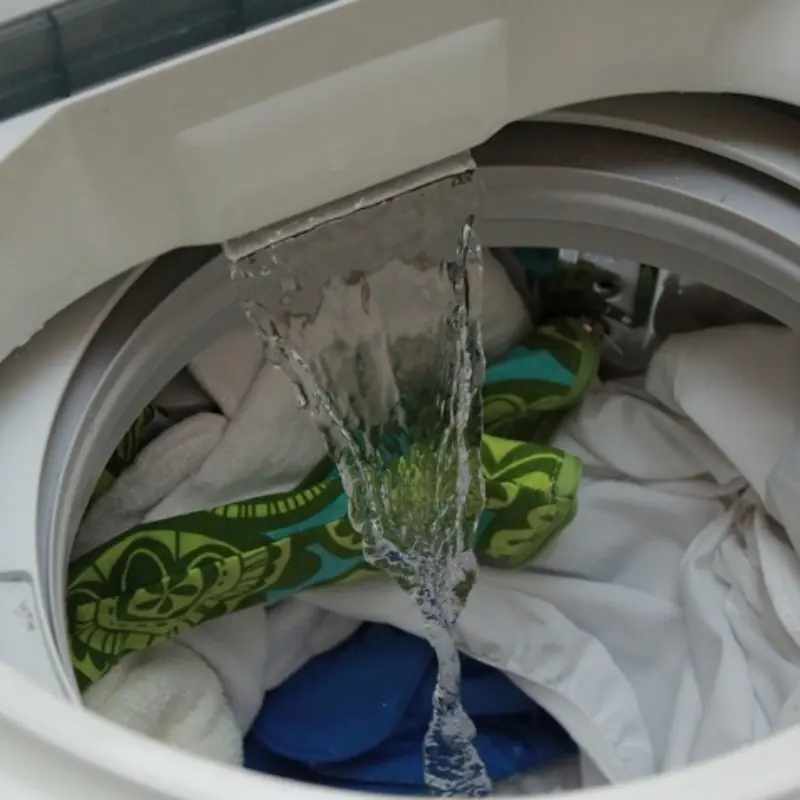
A washer shakes hardest during the spin cycle. If the load is heavy on one side—think a single wet blanket, a big towel, or jeans clumped together—the drum becomes unbalanced, and the machine compensates by vibrating and banging.
Quick fix:
-
Pause the cycle and open the lid/door.
-
Redistribute the laundry evenly around the drum.
-
If you’re washing one bulky item, add a few smaller items to balance it.
-
Don’t overfill: a packed drum can’t tumble properly.
Pro tip: Bulky items absorb water and become extremely heavy. Many modern machines will try to correct imbalance, but if it can’t, you’ll hear loud knocking.
Step 2: Level the washer (the “wobble test”)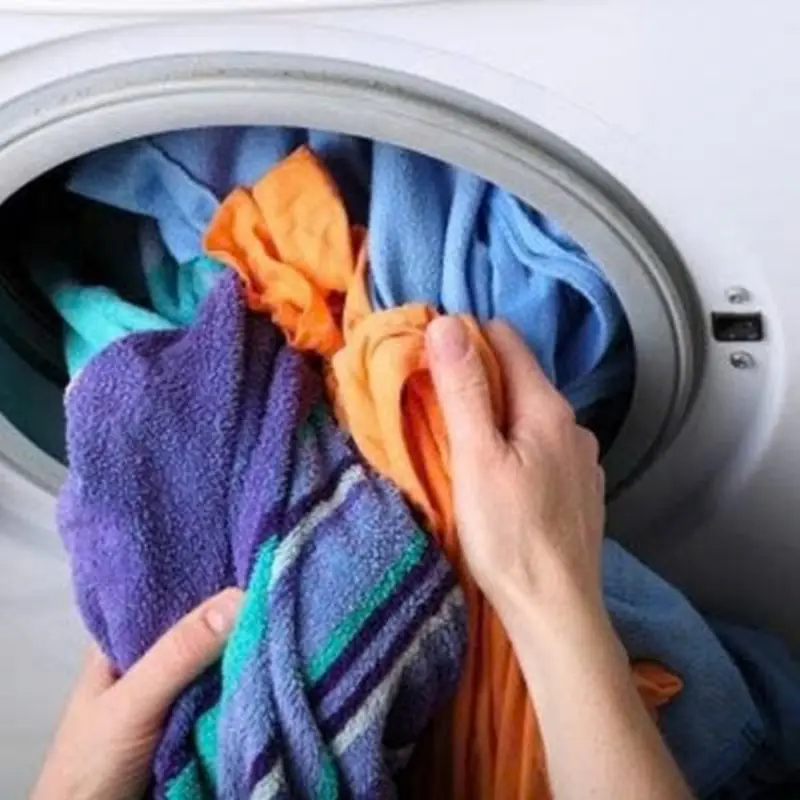
Even a slightly uneven floor can cause a washer to rock during spin. Over time, vibration can loosen the machine’s feet, making it worse.
Quick fix:
-
With the washer empty, gently push on the corners. If it rocks, it’s not level.
-
Adjust the leveling feet (usually by turning them) until all corners sit firmly.
-
Tighten the lock nuts (if your model has them) so the feet don’t shift again.
If your floor is slippery, consider a rubber anti-vibration mat—it doesn’t repair a mechanical problem, but it can reduce movement and noise.
Step 3: Confirm shipping bolts (front-loaders, especially after moving)
If you have a front-loading washer and it was recently installed or moved, check whether the shipping bolts were removed. These bolts lock the drum during transport. If they’re still in place, the washer can shake violently and sound like it’s “hammering” itself.
Quick fix:
-
Look at the back of the washer for large bolts and plastic spacers.
-
If they’re present, consult the user manual for removal steps.
-
Keep them in a safe place in case you move again.
Step 4: Clean the drain filter and check for trapped objects
Coins, hairpins, bra underwires, and small items can slip into places they shouldn’t—causing grinding, clicking, or rattling. A clogged filter can also lead to poor draining, which increases vibration (wet loads are heavier) and can cause odd sounds.
Quick fix:
-
Locate the drain filter access panel (commonly near the bottom front on many front-loaders).
-
Place a towel and shallow tray under it—water may spill out.
-
Remove debris and rinse the filter.
-
Check the drum and door gasket for small objects.
Step 5: Listen to the type of noise (it helps you diagnose)
Different sounds suggest different problems:
-
Loud banging during spin: load imbalance or washer not level
-
Grinding/metallic scraping: foreign object, worn bearing, or drum contact
-
High-pitched squeal: belt issue (common in some top-load designs)
-
Repeated clicking: something caught in the pump or drum area
-
“Walking” across the floor: leveling + vibration + slippery surface
If the noise happens even when the washer is empty, it’s more likely a mechanical issue than a laundry issue.
Step 6: Check hoses and nearby items
Sometimes the washer is fine—but it’s hitting something.
Quick fix:
-
Ensure there’s a small gap between the washer and wall.
-
Make sure hoses aren’t banging against the back panel.
-
Remove objects from the top of the washer (detergent bottles can rattle loudly).
When you should call a technician
DIY fixes work for many cases, but call for help if you notice:
-
loud grinding that persists with an empty drum
-
burning smell, smoke, or repeated electrical trips
-
water leaking from under the machine
-
drum wobbling excessively by hand
-
repeated error codes after cleaning filters and balancing loads
These can point to worn bearings, a failing suspension system, motor issues, or pump damage—repairs that may require parts and expertise.