8 Signs You May Have Low Blood Oxygen Levels
Oxygen is essential for life.
Every cell in the body depends on oxygen to produce energy and function properly. When blood oxygen levels drop—a condition known as hypoxemia—the body begins to send warning signals. Some are subtle. Others are more obvious and potentially dangerous.
Doctors stress that recognizing early signs of low blood oxygen can be life-saving, especially for people with lung, heart, or blood conditions.
Here are eight common signs that may indicate low blood oxygen levels.
1. Shortness of Breath
One of the most common symptoms is difficulty breathing, even during light activity or rest.
People may feel as though they cannot take a deep breath or need to breathe faster than usual. This happens because the body is trying to compensate for reduced oxygen delivery.
If shortness of breath appears suddenly or worsens quickly, medical attention is essential.
2. Rapid Breathing or Heart Rate
When oxygen levels fall, the body responds automatically.
The heart pumps faster, and breathing becomes quicker in an attempt to circulate more oxygen. A racing heart or unusually fast breathing, especially without physical exertion, can be a warning sign.
This response may be more noticeable during sleep or upon waking.
3. Chest Discomfort
Low oxygen can place extra strain on the heart.
Some people experience chest tightness, pressure, or discomfort, particularly if oxygen deprivation affects heart muscle function. While chest pain has many possible causes, it should never be ignored.
Any chest discomfort combined with breathing difficulty requires urgent evaluation.
4. Blue or Pale Skin (Cyanosis)
A visible sign of low blood oxygen is bluish or grayish discoloration of the lips, fingertips, or nail beds.
This condition, known as cyanosis, occurs when oxygen-poor blood circulates near the skin’s surface. In people with lighter skin, it may appear blue; in darker skin tones, it may appear gray or whitish.
Cyanosis is a serious sign and requires immediate medical attention.
5. Confusion or Difficulty Concentrating
The brain is extremely sensitive to oxygen levels.
When oxygen supply drops, people may experience confusion, dizziness, difficulty concentrating, or slowed thinking. In severe cases, oxygen deprivation can lead to disorientation or fainting.
Mental changes are often an early warning that the brain is not receiving enough oxygen.
6. Headaches
Low oxygen can cause persistent or sudden headaches, particularly in the morning.
This often occurs during sleep, when breathing may be shallow or impaired. Morning headaches are commonly reported in people with sleep apnea or chronic lung disease.
Frequent unexplained headaches should be discussed with a healthcare provider.
7. Fatigue or Weakness
Oxygen is critical for energy production.
When levels are low, muscles and organs receive less fuel, leading to unusual tiredness, weakness, or exhaustion, even after rest. This fatigue often feels deeper than normal tiredness and does not improve with sleep.
Persistent fatigue may signal ongoing oxygen deprivation.
8. Sweating Without Obvious Cause#
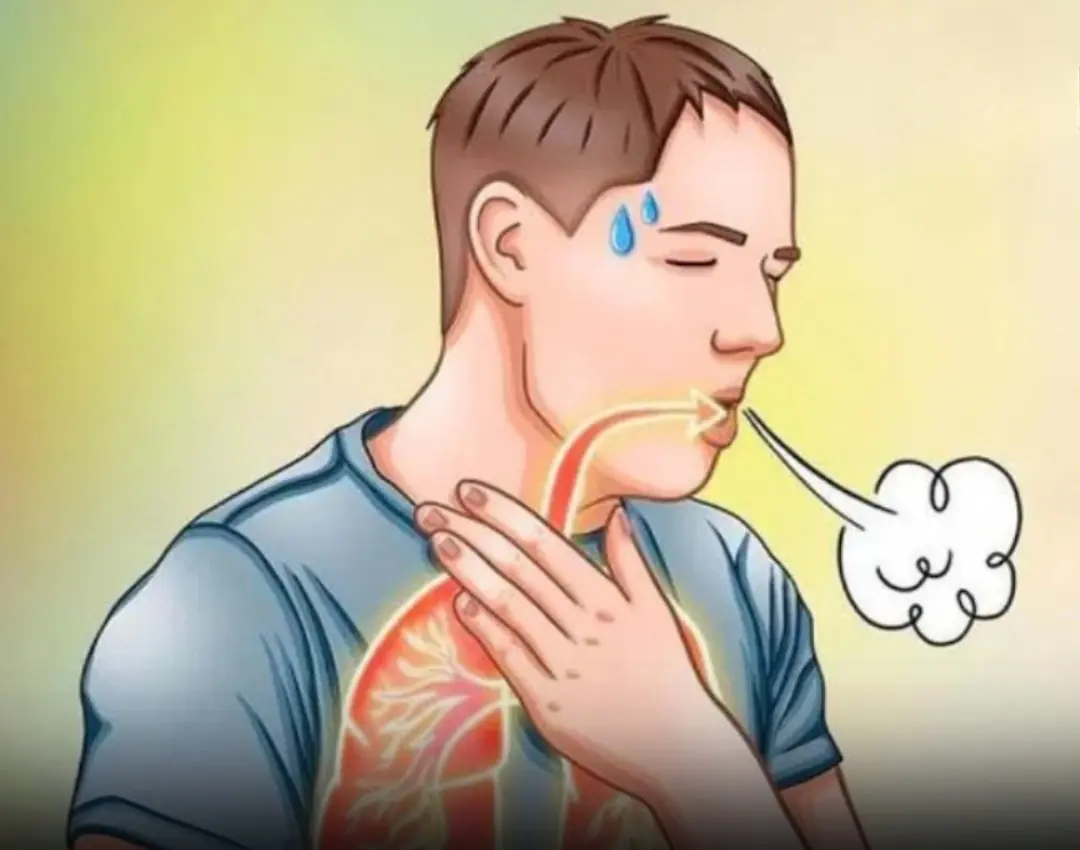
Unexplained sweating—especially cold sweats—can be another sign.
When oxygen levels drop, the body enters a stress response, activating the nervous system. This may cause sweating, clammy skin, or a feeling of anxiety, even in cool environments.
While sweating alone is not diagnostic, it becomes concerning when combined with breathing or heart symptoms.
Who Is Most at Risk?
Low blood oxygen levels are more common in people with:
-
Asthma or chronic lung disease
-
Pneumonia or respiratory infections
-
Heart disease
-
Sleep apnea
-
Anemia
-
Smoking history
However, anyone can experience hypoxemia, especially during illness or at high altitudes.
How Is Blood Oxygen Measured?
Doctors often use a pulse oximeter, a small device placed on the fingertip, to measure oxygen saturation (SpO₂).
Normal levels are usually 95–100%. Levels below 90% are considered low and may require treatment.
Blood tests and imaging may be used to determine the underlying cause.
When to Seek Medical Help
Immediate medical attention is needed if low oxygen signs are sudden, severe, or worsening.
Call emergency services if symptoms include:
-
Severe breathing difficulty
-
Blue lips or face
-
Chest pain
-
Confusion or loss of consciousness
Early treatment can prevent serious complications.
The Bottom Line
:format(webp)/ho_khan_55841bed6b.jpeg)
Low blood oxygen levels affect the entire body.
While some symptoms may appear mild at first, they can progress quickly if ignored. Recognizing early warning signs—such as shortness of breath, confusion, or unusual fatigue—allows for timely medical care.
Oxygen is not something the body can do without. Listening to these signals and acting early can protect both health and life.