After Age 50, Remember the “Four Don’ts” When Bathing: Bathing the Wrong Way Can Shorten Your Lifespan
In recent years, the number of strokes and sudden medical emergencies occurring during or immediately after bathing among middle-aged and older adults has been rising.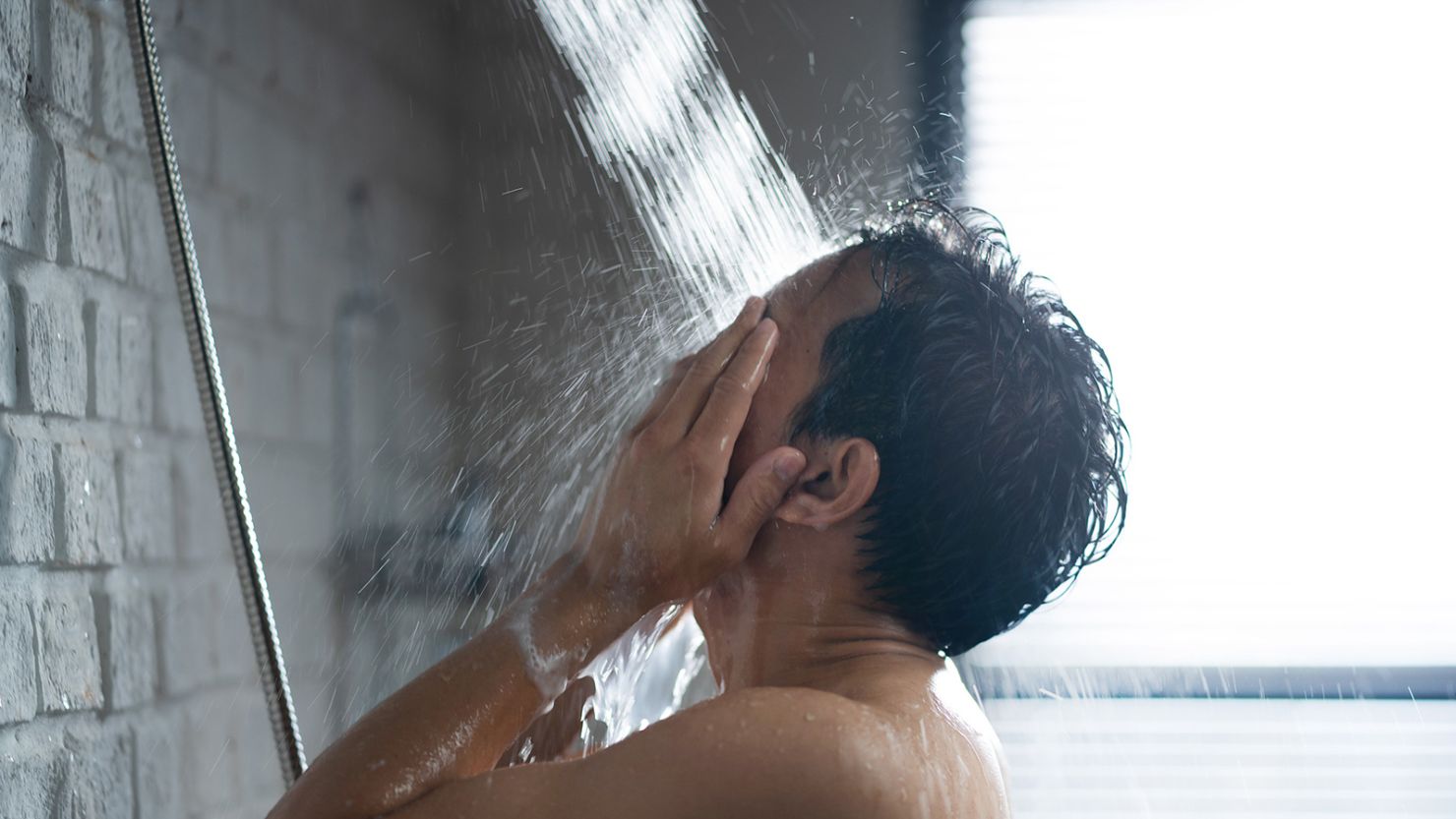
For many people, bathing is simply a daily routine—or even a way to relax after a long day. Few realize that after the age of 50, bathing incorrectly can become a serious health trap, potentially leading to stroke or even death.
Chinese media once reported a tragic case involving Mr. Li, a 52-year-old man. During last winter, following his usual habit, he soaked in hot water for a long time after work. While bathing, he suddenly became dizzy and collapsed in the bathroom. Although his family rushed him to the hospital, he did not survive due to severe cerebral hemorrhage.
This was not an isolated incident. In reality, accidents occurring during or shortly after bathing among middle-aged and elderly people are becoming increasingly common. Alarmingly, most of them stem from habits that seem completely harmless.
1. In Cold Weather, Avoid Bathing Too Frequently
During winter, many people enjoy hot showers to warm up. However, excessively hot water causes blood vessels to dilate sharply, leading to noticeable fluctuations in blood pressure and heart rate. For people with atherosclerosis, hypertension, or hidden cardiovascular disease, this sudden change can be the final trigger.
Moreover, moving from a warm bathroom into a cold environment causes blood vessels to constrict abruptly, further increasing blood pressure swings and the risk of stroke. Aging skin is already dry; frequent hot baths can worsen dryness, peeling, and itching, weakening the skin’s protective barrier.
Therefore, in cold seasons, daily bathing is not necessary—especially if you are not sweating heavily or exposed to dirt.
2. After 50, Doctors Warn of Four Absolute “Don’ts” When Bathing
According to medical experts, the following situations are especially dangerous for middle-aged and older adults and should be avoided: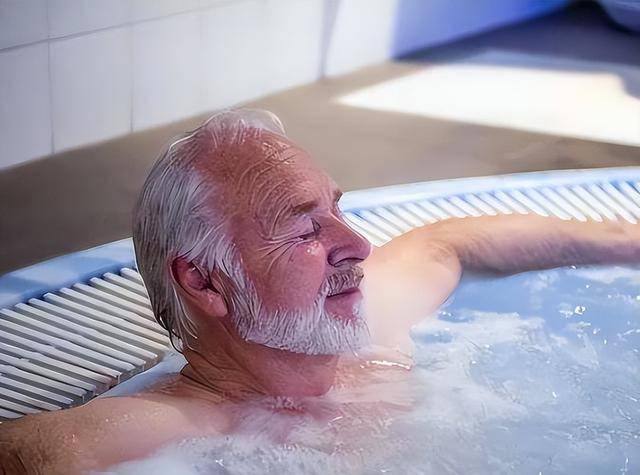
Do not bathe after drinking alcohol
Alcohol lowers blood sugar and impairs reflexes. Bathing under these conditions greatly increases the risk of dizziness and falls in a confined, hot, humid space—where emergencies are harder to detect in time.
Do not bathe when extremely hungry or immediately after a heavy meal
When hungry, bathing can cause blood sugar to drop sharply, leading to fainting. Bathing right after eating diverts blood to the skin, reducing supply to the digestive system and heart, which may cause palpitations, weakness, or even cardiac disturbances.
Do not bathe immediately after intense physical labor or extreme fatigue
At this point, the heart is already working hard. Hot water further dilates blood vessels, forcing the heart to work even harder and increasing the risk of heart attack or stroke.
Do not soak for too long
Prolonged hot baths keep blood vessels dilated for extended periods, overloading the heart. For people with cardiovascular conditions, this can trigger arrhythmias, blood clots, or even sudden death.
3. How to Bathe Safely After Age 50
Bathing is necessary—but it must be done correctly:
-
If you feel tired, dizzy, have just eaten a large meal, or consumed alcohol, postpone bathing.
-
Start by wetting your feet, then your body, and wash your head last to help your body adapt gradually to temperature changes.
-
The ideal water temperature is 38–40°C (100–104°F), and it should never exceed 42°C (108°F).
-
Keep bath time short and avoid long soaks.
-
Drink a glass of warm water before and after bathing to prevent dehydration and drops in blood pressure.
-
Avoid scrubbing the skin too hard to protect its natural barrier.
After age 50, the body is no longer as resilient as it once was. Even a simple daily habit like bathing, if done incorrectly, can become a serious health risk. Understanding and avoiding these bathing taboos is not only key to preventing sudden medical emergencies—it is also one of the simplest ways to protect your health and longevity every day.