Warning Signs That May Indicate You’re at Risk of High Cholesterol
High cholesterol is often called a “silent” health problem because it usually causes no obvious symptoms in its early stages. Many people are unaware they have high cholesterol until it leads to serious complications such as heart disease or stroke. However, there are several warning signs and risk factors that may indicate your cholesterol levels are too high.
One common sign is unexplained fatigue or shortness of breath, especially during physical activity. High cholesterol can cause fatty deposits to build up in the arteries, restricting blood flow and forcing the heart to work harder.
Chest discomfort or pressure may also occur when cholesterol buildup narrows the arteries supplying the heart. While chest pain can have many causes, recurring or activity-related discomfort should never be ignored.
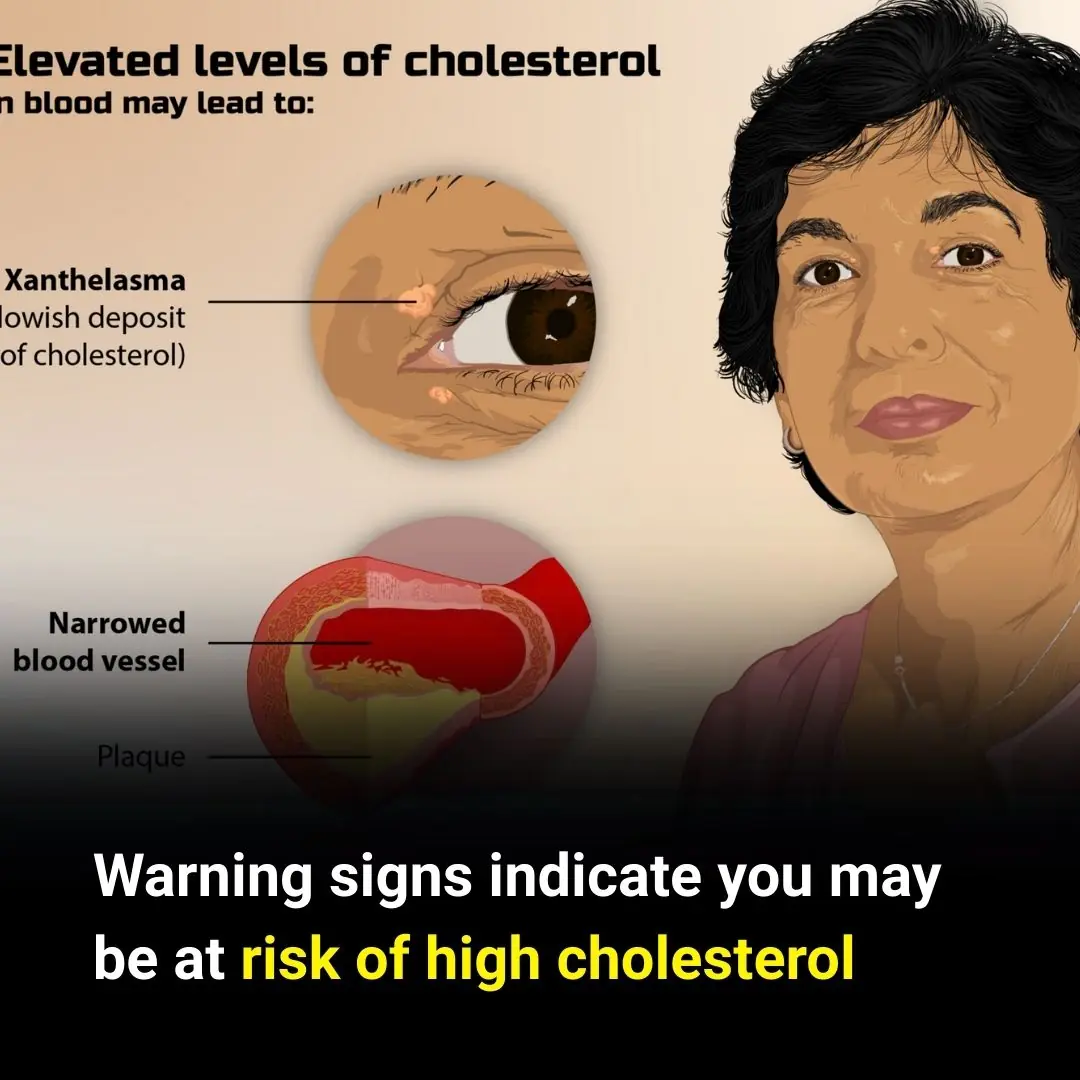
Changes in the skin can sometimes offer clues. Yellowish patches around the eyes, elbows, knees, or hands, known as xanthomas, may appear when cholesterol levels are very high. These deposits are more common in people with inherited cholesterol disorders.
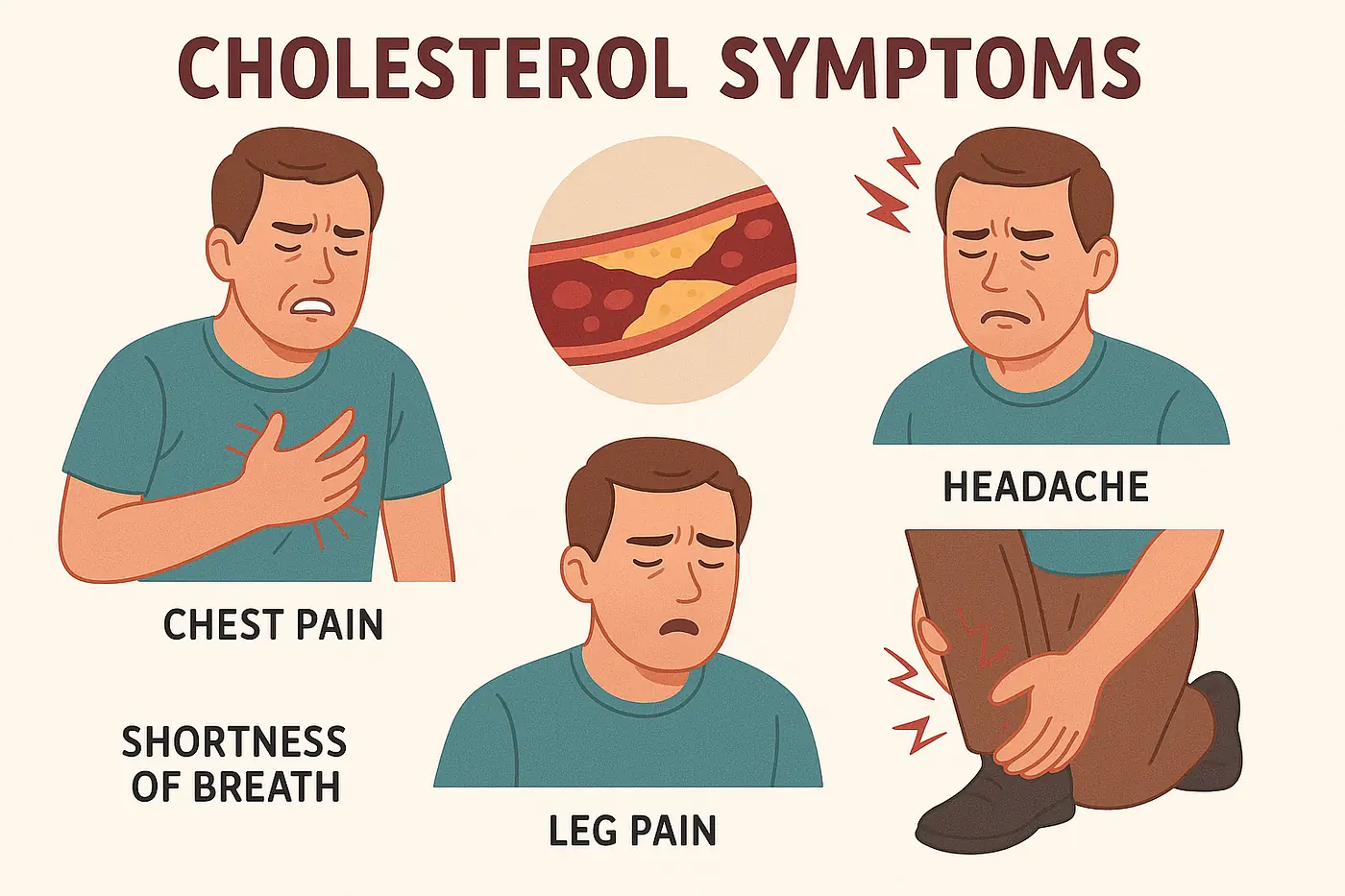
Poor circulation is another warning sign. Cold hands and feet, numbness, or tingling may occur when blood flow is reduced due to narrowed arteries. In more serious cases, cholesterol buildup can lead to pain in the legs when walking, a condition called peripheral artery disease.
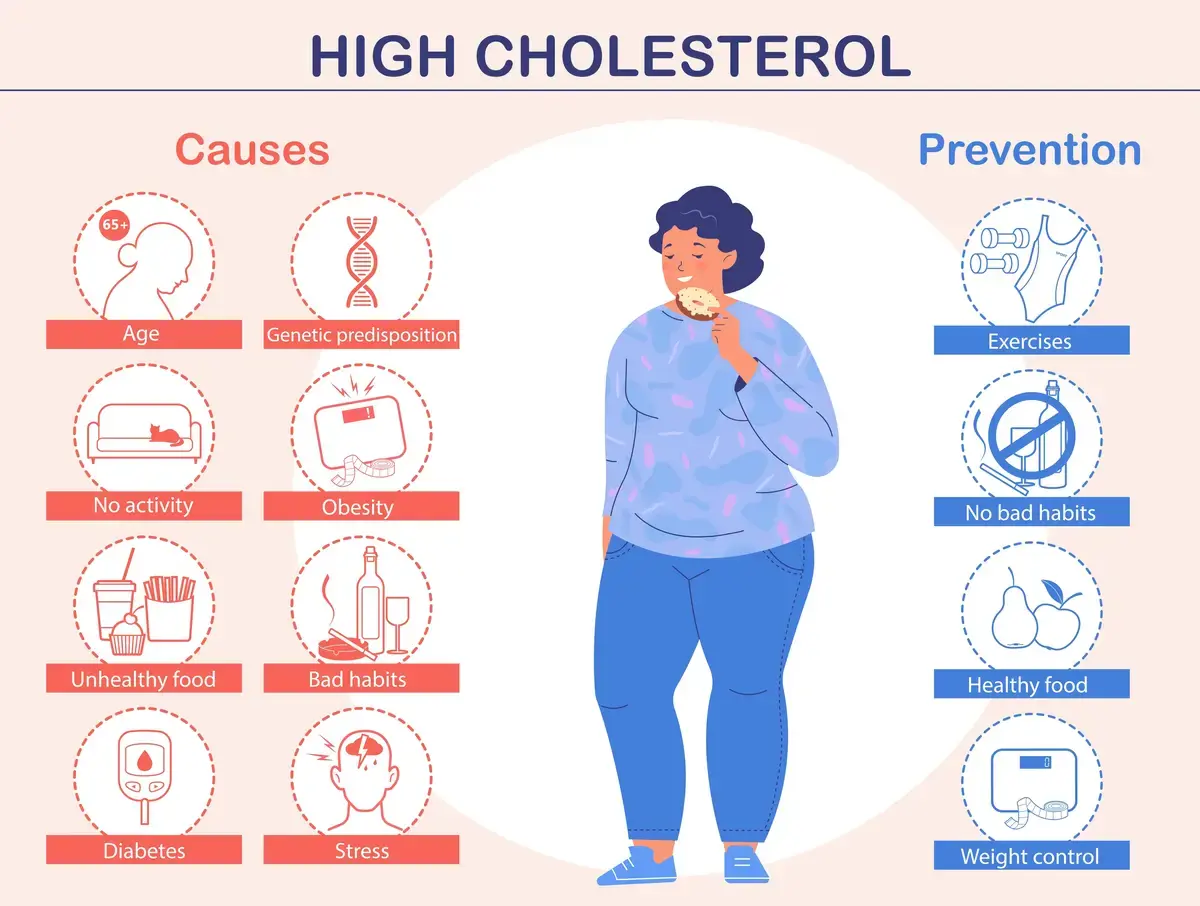
High cholesterol is also closely linked to lifestyle and health factors. You may be at higher risk if you have a diet high in saturated fats, limited physical activity, excess body weight, smoking habits, diabetes, or a family history of high cholesterol or heart disease.
Because high cholesterol often develops silently, regular blood tests are the only reliable way to know your levels. Adults should have their cholesterol checked periodically, especially if they have one or more risk factors.
The good news is that high cholesterol can often be managed or prevented through healthy eating, regular exercise, weight control, quitting smoking, and, when necessary, medication prescribed by a doctor.
Recognizing the warning signs and understanding your risk can help you take action early—protecting your heart and overall health before serious problems arise.