
Coconut Water: A Natural Sports Drink with Real Health Benefits
Coconut water is often referred to as a “natural sports drink” thanks to its refreshing taste and naturally occurring electrolytes. Extracted from young green coconuts, coconut water has gained global popularity as a hydrating beverage and a healthier alternative to sugary soft drinks and some commercial sports drinks. But how accurate are the health claims surrounding coconut water?
Nutritional Profile of Coconut Water
Coconut water is the clear liquid found inside young coconuts, typically harvested when the coconut is around 6–7 months old. An average green coconut provides approximately half a cup to one cup of coconut water.
One cup (240 ml) of coconut water contains about:
-
Calories: ~60
-
Carbohydrates: ~15 g
-
Sugars: ~8 g
-
Potassium: ~15% of the recommended daily value (DV)
-
Magnesium: ~4% DV
-
Calcium: ~4% DV
-
Phosphorus: ~2% DV
-
Sodium: ~2% DV
Coconut water is about 94% water, contains very little fat, and provides a modest amount of natural sugars along with key minerals.
Hydration and Electrolyte Balance
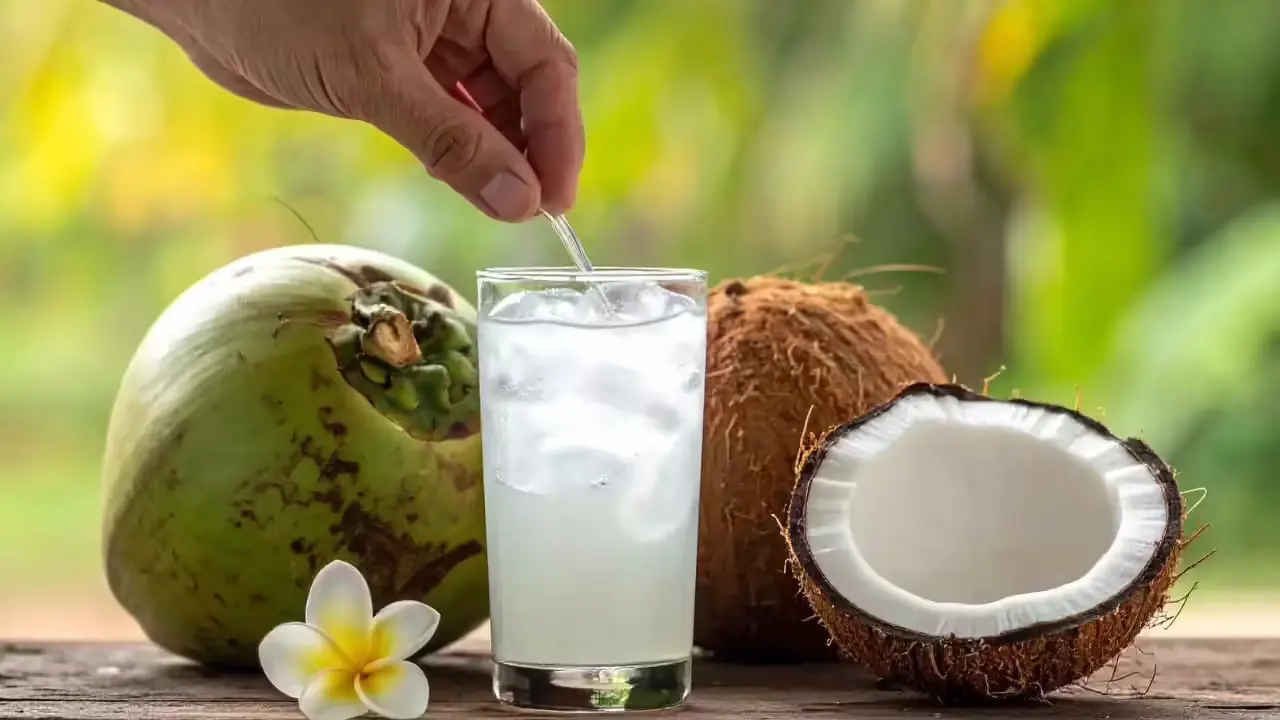
Thanks to its electrolyte content—particularly potassium, along with smaller amounts of sodium, magnesium, and calcium—coconut water can help replenish fluids lost through sweating. These electrolytes play essential roles in muscle contraction, nerve transmission, and maintaining proper fluid balance in the body.
While coconut water can be effective for light to moderate hydration, it contains less sodium than many commercial sports drinks. Therefore, during prolonged or extremely intense exercise, athletes may still require specialized electrolyte solutions.
Potential Health Benefits
1. Supports Healthy Blood Pressure
Coconut water is rich in potassium, a mineral known to help regulate blood pressure. Potassium helps counteract the effects of excess sodium by promoting sodium excretion through urine and relaxing blood vessel walls. Regular potassium intake has been associated with improved blood pressure control and reduced cardiovascular risk.
2. May Help Reduce the Risk of Kidney Stones
Adequate fluid intake is crucial for preventing kidney stones, as it dilutes urine and reduces crystal formation. Some preliminary research suggests coconut water may help lower urinary crystal formation, although more large-scale human studies are needed to confirm this effect.
3. Contributes to Heart Health
Small studies suggest that coconut water may help lower cholesterol and triglyceride levels in people with elevated blood lipids. By improving lipid profiles and supporting healthy blood pressure, coconut water may indirectly contribute to better cardiovascular health.
4. Supports Digestive Function
Coconut water helps maintain hydration, which is essential for healthy digestion and bowel function. While laboratory studies indicate possible anti-inflammatory and antibacterial properties, strong clinical evidence in humans is still limited. Coconut water should be viewed as supportive rather than a treatment for digestive disorders.
5. Anti-Aging Claims: A Note of Caution
Coconut water contains compounds called cytokinins, plant hormones involved in cell growth. While laboratory studies suggest they may have antioxidant or anti-aging properties, there is currently no strong clinical evidence proving that drinking coconut water significantly slows aging or dramatically improves skin elasticity in humans.
Is Coconut Water for Everyone?
Coconut water is generally safe and beneficial for most people when consumed in moderation. However:
-
People with kidney disease should monitor potassium intake.
-
Excessive consumption may contribute unnecessary sugar and calories.
-
It should not be relied upon as a medical treatment or sole electrolyte source in extreme conditions.
Conclusion
Coconut water is a refreshing, nutrient-rich beverage that offers real hydration benefits and provides essential electrolytes, particularly potassium. It can support fluid balance, help maintain healthy blood pressure, and serve as a natural alternative to sugary drinks. However, some health claims—especially those related to anti-aging and disease treatment—are not yet supported by strong scientific evidence.
When enjoyed as part of a balanced diet, coconut water can be a healthy and enjoyable addition to daily hydration—but it is best viewed as a supportive wellness drink rather than a cure-all.