A snake bite can happen suddenly, and in those first few seconds, your reaction matters more than anything else.
Whether the snake is venomous or non-venomous, the wrong move can make the situation worse — and the right move can save a life.
Understanding what to do immediately after a bite gives you the best chance of staying safe, calm, and in control.
1. Stay as calm and still as possible
It sounds unrealistic, but staying calm is the most important first step.
When you panic, your heart rate rises. A faster heartbeat pumps venom through your bloodstream more quickly, allowing it to spread throughout the body.
Keeping your body still slows that process down significantly.
Sit or lie down immediately, and avoid unnecessary movement.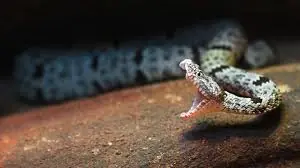
2. Identify the snake — only if it is safe to do so
You should never try to chase, catch, or kill the snake. That only increases the risk of additional bites.
However, if you caught a quick glimpse, try to remember key details:
• color patterns
• head shape
• pupil shape
• presence of a pit between the eye and nostril
• tail scale pattern
As shown in the image:
• Venomous snakes often have vertical pupils and heat-sensing pits.
• Non-venomous snakes usually have round pupils.
• The scale pattern near the tail can also provide clues.
This information helps medical professionals choose the correct treatment, but again — only observe from a safe distance.
3. Call emergency services immediately
Even if you believe the snake was non-venomous, a medical evaluation is essential.
Some bites can cause infection, allergic reactions, or tissue damage even without venom.
For venomous bites, antivenom may be required urgently.
Call emergency services or have someone nearby do it for you.
Time matters — and every minute counts.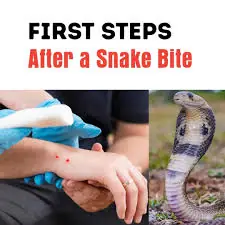
4. Remove tight clothing or accessories
Venom can cause swelling, especially in the hands, arms, legs, and feet.
Remove rings, bracelets, watches, shoes, or anything that could become tight as the area expands.
Do not cut the wound, do not suck out venom, and do not apply ice — these outdated methods can cause more harm.
5. Keep the bite area below heart level
If venom is present, it spreads faster when blood flow is elevated.
Keeping the bite lower than your heart slows the circulation and reduces the speed of venom movement.
Try to stay as still as possible, supporting the limb with a splint or soft padding to prevent unnecessary motion.
6. Clean gently — but do not flush aggressively
You may gently wipe the area with clean water, but do not scrub.
Do not apply alcohol, hydrogen peroxide, or herbal pastes.
Cleaning aggressively can push venom deeper into the tissue or irritate the wound further.
7. Use a pressure immobilization bandage (only for certain snake bites)
This technique is especially recommended for neurotoxic snakes such as cobras, kraits, and coral snakes.
Wrapping the limb firmly — but not too tightly — helps slow the spread of venom through the lymphatic system.
However, pressure bandages are not advised for bites that cause heavy swelling or tissue destruction, such as viper bites.
If you’re unsure, prioritize immobilization and professional medical help.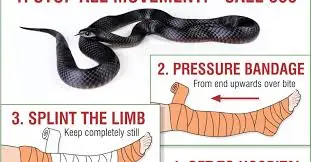
8. Watch for symptoms while waiting for help
Venomous snake bites can cause:
• intense pain
• swelling or discoloration
• nausea or vomiting
• dizziness or confusion
• difficulty breathing
• numbness or paralysis
• rapid heartbeat
Document any changes so you can report them to medical professionals.
Do not walk, run, or try to drive yourself unless absolutely necessary.
What NOT to do after a snake bite
Avoid these dangerous mistakes:
• Do not attempt to suck out venom
• Do not cut the bite site
• Do not apply ice
• Do not use a tourniquet
• Do not drink alcohol or caffeine
• Do not take painkillers without medical advice
These actions can worsen tissue damage, increase venom absorption, or create new complications.