When a dog barks aggressively or even tries to bite one person but completely ignores another, it’s not luck, and it’s not coincidence. There is always a reason behind the reaction. Understanding these triggers helps prevent dangerous situations and teaches us how to interact with dogs safely and respectfully.
1. Dogs react to body language more than anything else
Dogs communicate primarily through body language, and they read human posture far faster than we realize.
A person who runs suddenly, moves too fast, or appears tense can instantly trigger a dog’s instinct. Running, in particular, activates a predator–prey response in many dogs. To them, fast movement can look like a threat or something worth chasing.
People who walk calmly, avoid sudden gestures, and keep a relaxed posture are less likely to attract aggressive barking.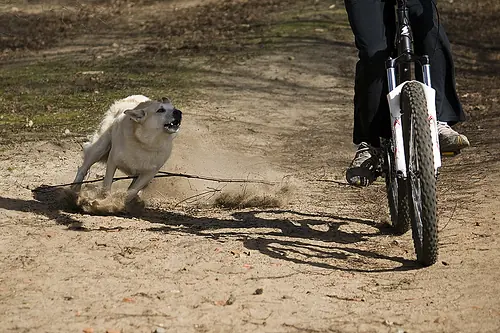
2. Fear has a smell — literally
It might sound surprising, but dogs can detect changes in human scent caused by fear. When someone is scared, the body releases stress hormones like adrenaline and cortisol. Dogs, with their incredibly sensitive noses, can smell these changes instantly.
A frightened person may unintentionally signal to the dog that something is wrong, making the dog more alert or defensive.
Conversely, a calm person sends signals of safety, and the dog feels less threatened.
3. Past experiences shape a dog’s reaction
Dogs remember.
If a dog has had a negative experience with a certain type of person — for example, someone wearing a hood, carrying a stick, running fast, or even a certain gender — it may generalize that fear or distrust.
A dog that has been scared or mistreated may react strongly when it sees someone who reminds it of a past threat.
Meanwhile, another person who moves differently or behaves calmly may not trigger that memory.
4. Dogs sense confidence and uncertainty
Confident energy makes a dog feel stable. Uncertain or anxious energy can make the dog distrustful.
People who approach a dog timidly, stare directly into its eyes, or extend a hand too quickly might unintentionally challenge or frighten the dog.
Dogs prefer clear, predictable behavior. When someone acts in a way the dog doesn’t understand, barking becomes a defensive tool.
5. Territorial instinct is powerful
Some dogs are not aggressive in general — they are simply protective of their space.
If a person enters a dog’s perceived territory (a home, yard, or even a familiar route), the dog may bark loudly or chase to warn them away.
Another person walking calmly on the sidewalk may be completely ignored because they don’t pose a territorial threat.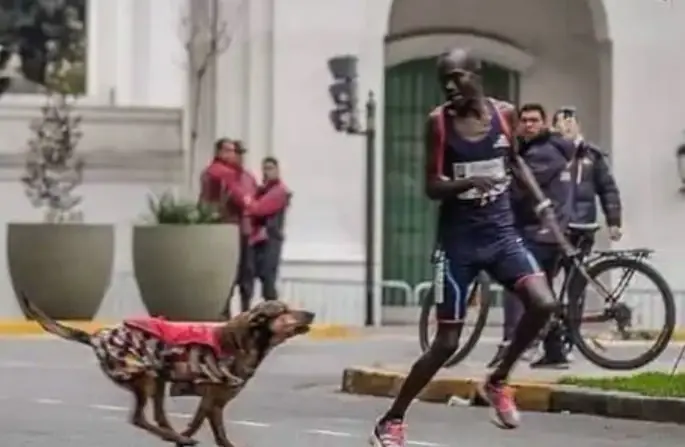
6. Clothing, scent, and unusual appearance also matter
Dogs notice details that humans often overlook. A large hat, sunglasses, a mask, a heavy backpack, or even the smell of another animal can confuse or alarm a dog.
Some dogs are also sensitive to strong perfumes or odors like alcohol or smoke.
To a dog, small unfamiliar details can create uncertainty, leading to defensive barking.
7. Human behavior can escalate or calm the situation
Looking directly into a dog’s eyes, raising your voice, bending forward, or turning your back quickly can all increase the dog’s tension.
People who stay still, avoid staring, and keep their hands low and relaxed usually appear less threatening.
The dog senses stability and responds in a calmer way.
The bottom line:
Dogs don’t bark or bite randomly. Their reactions are influenced by body language, fear signals, confidence levels, past experiences, scents, and territorial instincts.
Once we understand these triggers, we can avoid risky behavior, interact with dogs more safely, and reduce unnecessary fear on both sides.
A dog’s behavior is communication. When we learn to read it, everything becomes clearer.