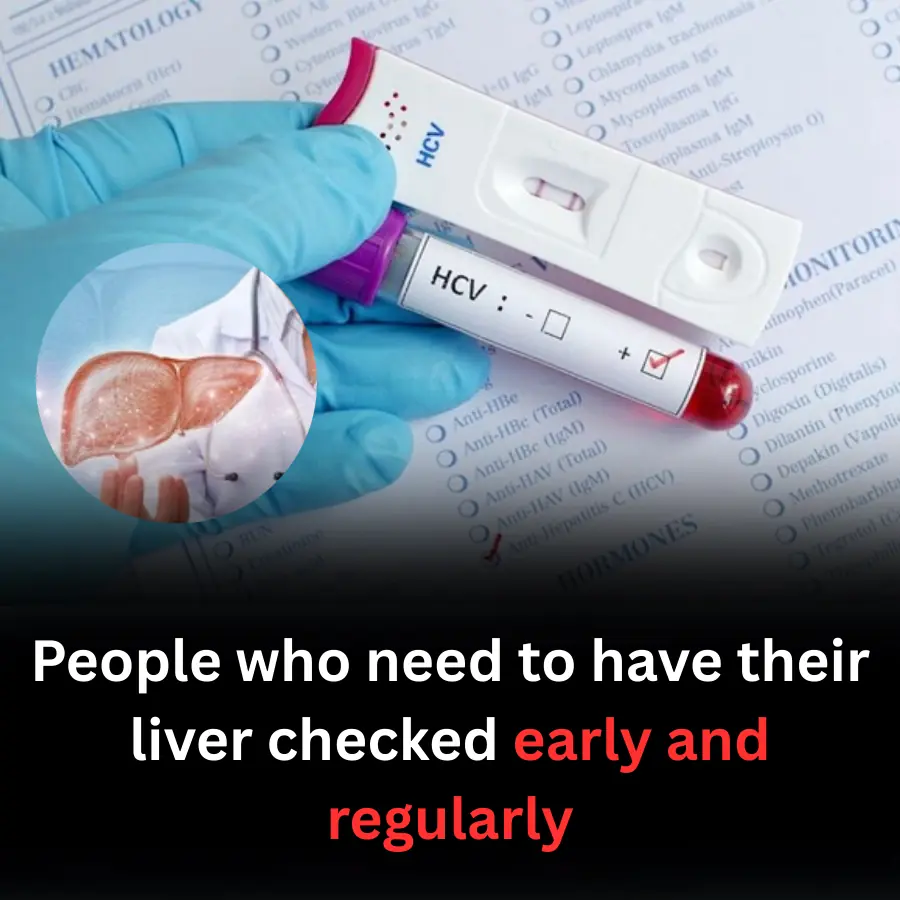
People Who Need Early Liver Screening
The liver is an important organ in the body, helping to digest food, store energy, and remove toxins. There are many types of liver diseases, including hepatitis, fatty liver, liver cancer, cirrhosis, and liver failure. Each condition has its own symptoms.
There are many types of liver diseases, including hepatitis, fatty liver, liver cancer, cirrhosis, and liver failure. Each condition has its own symptoms. Liver disease does not always manifest clearly through visible or noticeable symptoms. Therefore, early screening is extremely important.
The individuals who need early liver screening include:
People at risk of viral hepatitis B
If someone in your family has a history of hepatitis B or C, you should undergo regular liver check-ups and monitoring. Additionally, when experiencing fatigue, pain in the right upper abdomen, or dark urine, you should check your liver function for timely treatment. Moreover, if you have not contracted hepatitis, you can get vaccinated to protect yourself.
People with hepatitis B or hepatitis C
Hepatitis B and hepatitis C are the leading causes of liver cancer. Therefore, individuals diagnosed with hepatitis B or C must undergo regular liver examinations and monitoring, while actively treating the condition to restore a healthy liver.
People who frequently consume alcohol
Those who regularly consume alcohol without control face a higher risk not only of cardiovascular and stomach diseases but also of liver-related conditions compared to non-drinkers. If alcohol-related hepatitis has already been detected, you must completely abstain from alcohol to ensure effective treatment.
Warning Signs of Liver Problems
-
Jaundice (yellow skin and eyes): A typical sign that the liver cannot remove bilirubin from the blood. Note that this sign may be harder to detect on darker skin tones.
-
Abdominal pain and swelling: Especially in the upper right abdomen, which may be due to an inflamed or swollen liver. Abdominal swelling can also be caused by fluid accumulation (ascites).
-
Swollen legs and ankles: Due to reduced production of albumin, causing fluid buildup.
-
Itchy skin: Persistent, unexplained itching indicates that the liver is not removing toxins effectively.
-
Dark urine: A sign that the liver is struggling to process bilirubin.
-
Pale stools: May indicate insufficient bile production.
-
Chronic fatigue: A common sign of liver damage.
-
Nausea or vomiting: Frequent episodes may be related to liver disease.
-
Loss of appetite: A significant warning sign.
-
Easy bruising: Due to reduced blood clotting ability when the liver is damaged.
When to Contact a Doctor?
If left untreated, liver disease can cause irreversible damage and lead to liver failure. Therefore, individuals showing symptoms of liver disease or those who live an unhealthy lifestyle, especially heavy alcohol consumption, should see a doctor if they experience:
-
Persistent abdominal pain, especially in the liver area
-
Extreme fatigue
-
High fever of unknown cause
-
Excessive abdominal swelling (ascites)
-
Shortness of breath
-
Vomiting blood (risk of ruptured esophageal or gastric varices)
-
Bloody stools, black stools, or fresh blood in the stool
A doctor may order tests such as liver function tests, liver biopsy, ultrasound, CT, or MRI scans to determine the condition. Early diagnosis and treatment help slow disease progression and may even reverse liver damage.