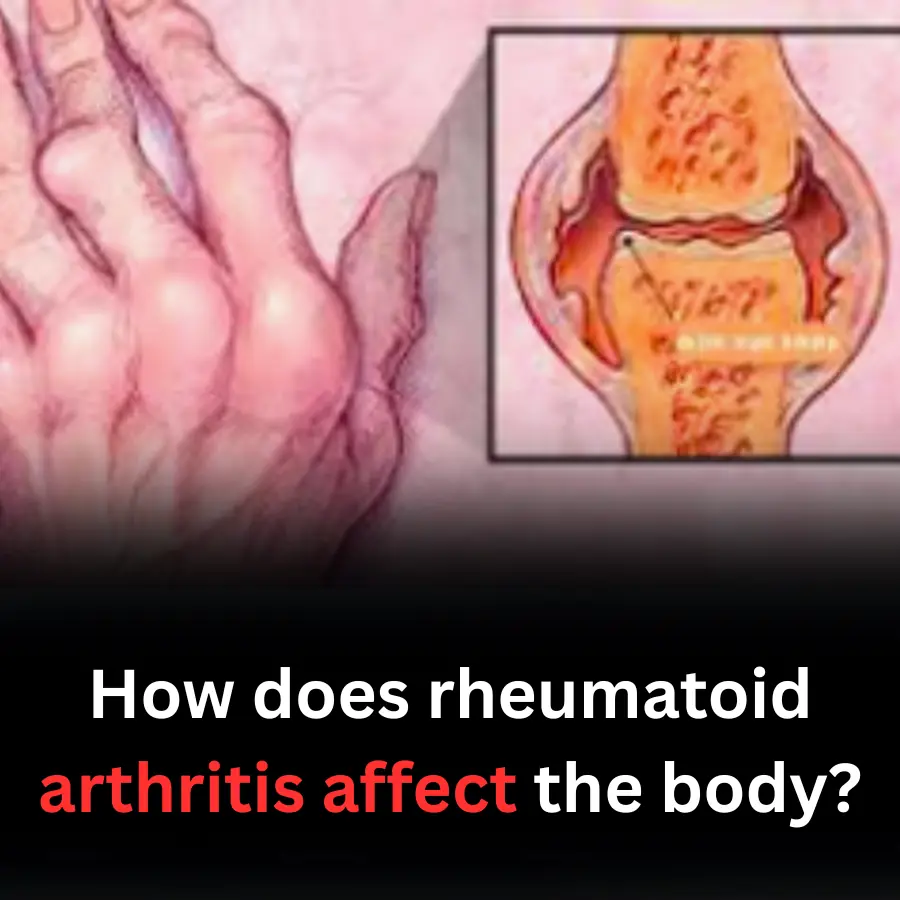
Rheumatoid arthritis is an autoimmune disease. It begins when the immune system—which normally protects the body—malfunctions and starts attacking the body’s own tissues. This causes inflammation of the synovial lining, making the joints red, warm, swollen, and painful. Rheumatoid arthritis typically affects joints on both sides of the body, such as both hands, wrists, or knees. This symmetry helps distinguish it from other types of arthritis. Over time, the disease can spread and affect many organs, including the eyes, heart, lungs, skin, blood vessels, and other body systems.
Effects of rheumatoid arthritis on the skin
Patients may develop tissue lumps called rheumatoid nodules. These usually appear on the skin over the elbows, forearms, heels, or fingers. Nodules may appear suddenly or develop slowly, and they may indicate that the disease is progressing. Rheumatoid nodules can also form in the heart or lungs.
Vasculitis caused by the disease can damage large arteries, leading to nerve injury, difficulty using the hands or feet, or injury to internal organs.
Effects on the eyes
Rheumatoid arthritis can affect the eyes. Episcleritis, inflammation of the thin membrane covering the white of the eye, is a common complication. It is usually mild but can cause redness and pain.
Scleritis—deeper inflammation of the white of the eye—is more severe and may lead to vision loss.
The disease also increases the risk of Sjogren’s syndrome. When the immune system attacks tear-producing glands, the eyes become dry, irritated, and painful. This syndrome may also cause dry skin, dry cough, or vaginal dryness. Patients may need artificial tears or medication. Without treatment, chronic dry eyes can lead to infections, conjunctival or corneal scarring, and permanent vision damage.
Effects on the cervical spine and osteoporosis
Rheumatoid arthritis commonly causes pain in the finger and wrist joints but can also involve the cervical spine. If the neck is stiff and painful when turning the head, this may indicate damage to the cervical joints.
Osteoporosis is a common complication in people with rheumatoid arthritis. The disease weakens bones, making them fragile and prone to fractures. Joint pain and reduced mobility worsen bone loss. Additionally, some medications such as corticosteroids can decrease bone density. Symptoms of osteoporosis include back pain, stooped posture, and increased risk of fractures.
Effects on the heart and blood vessels
Pericarditis—inflammation of the membrane surrounding the heart—may occur during rheumatoid arthritis flares. If repeated, the pericardium may thicken and restrict the heart’s pumping ability. Rheumatoid nodules may also form in the heart, reducing its function. Myocarditis is a rare but possible complication. Persistent inflammation increases the risk of cardiovascular disease and stroke.
Blood-related complications
Rheumatoid arthritis or its treatments may reduce red blood cell counts, causing anemia. Red blood cells carry oxygen throughout the body. Symptoms of anemia include fatigue, irregular heartbeat, shortness of breath, dizziness, headaches, and insomnia.
Thrombocytosis (elevated platelet count) may also occur. When inflammation increases platelets, the risk of stroke, heart attack, or blood clot formation rises.
Felty’s syndrome—a rare complication—causes an enlarged spleen and a low white blood cell count, increasing susceptibility to infection and lymphoma.
Lung complications
Rheumatoid arthritis may cause multiple lung problems such as pneumonia, shortness of breath, chest pain, rheumatoid nodules in the lungs, lung collapse, coughing up blood, and pleural effusion. In severe cases, the disease may lead to pulmonary fibrosis, pulmonary hypertension, and impaired respiratory function. Therefore, routine lung monitoring is essential for early detection and treatment of complications.
In summary: Rheumatoid arthritis is a common disease that not only causes joint swelling and pain but also affects many organs throughout the body. Living with chronic pain also negatively impacts mental health, and studies show that nearly 11% of patients develop depression. In addition to following prescribed treatment, patients should maintain a healthy lifestyle to control the disease and prevent complications.