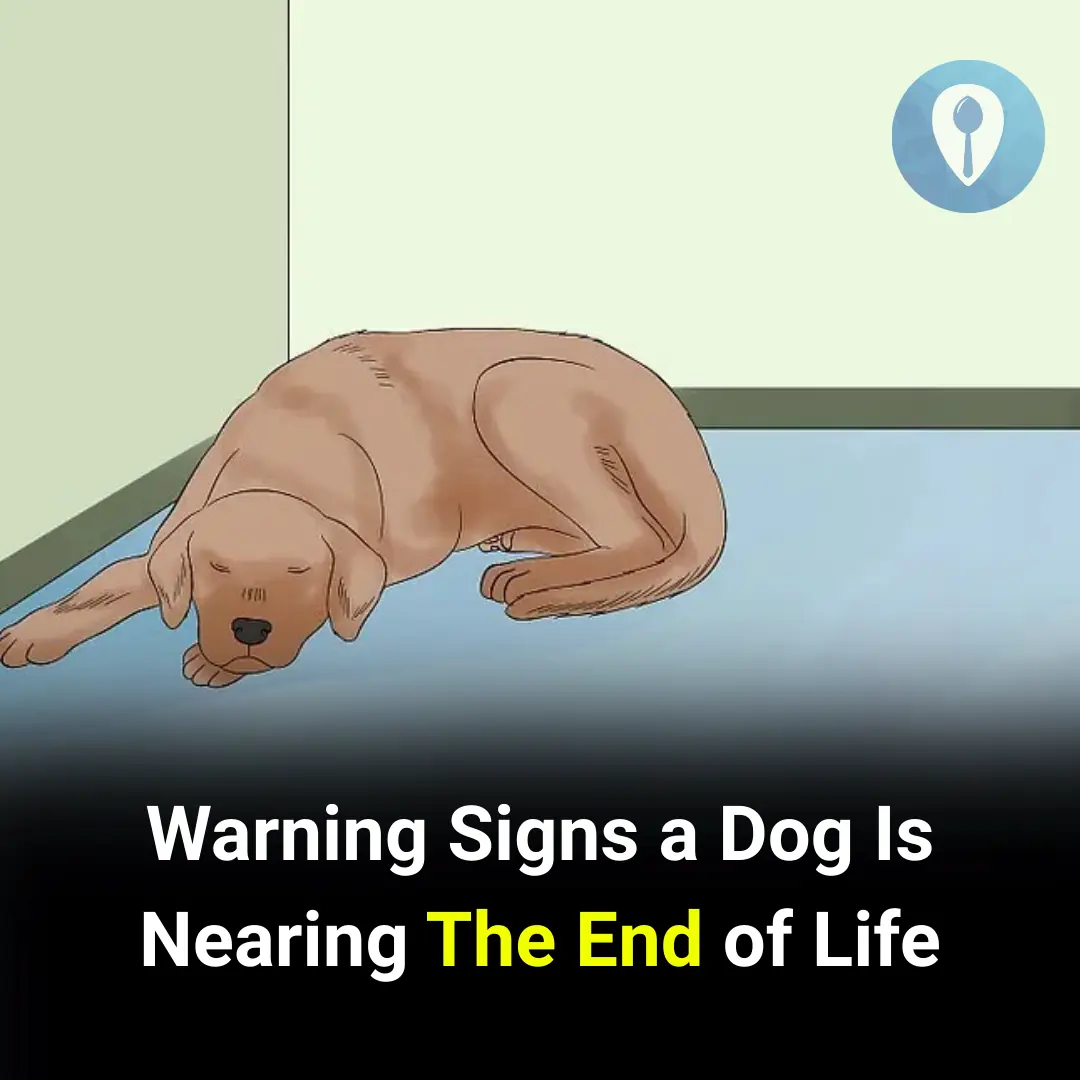
11 Heartbreaking Signs Your Dog May Be Nearing the End of Life — And How to Comfort Them
No matter how much we wish they could stay forever, every dog eventually reaches a stage when their body begins to slow down. Recognizing the signs early can help you give your beloved companion the comfort, dignity, and love they deserve in their final days.
Below are 11 important signs that a dog may be approaching the end of life, along with what they mean and how you can support them through this difficult time.
1. Extreme Fatigue and Weakness
One of the earliest and most noticeable signs is a dramatic drop in energy. Your dog may sleep far more than usual, show little motivation to get up, or struggle to walk even short distances. Activities they once loved—like playing fetch or greeting you at the door—may no longer interest them.
This exhaustion happens because the body is conserving energy as vital organs begin to weaken.
2. Loss of Appetite and Decreased Thirst
Dogs near the end often stop eating or drinking. Their senses become dull, digestion slows down, and food simply no longer appeals to them. Some may refuse even their favorite treats. You may notice weight loss, dehydration, or complete disinterest in meals.
While this can be heartbreaking, it is a natural part of the process.
3. Labored or Irregular Breathing
Changes in breathing are very common. Your dog may pant heavily at rest, breathe shallowly, or show unusual pauses between breaths. In some cases, breathing can become rattled due to fluid buildup or weakened respiratory muscles.
This can look alarming, but it is simply the body’s way of slowing down.
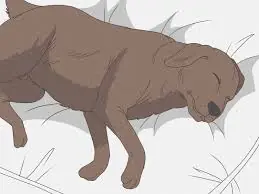
4. Changes in Bathroom Habits
Dogs nearing the end of life may lose control of their bladder or bowels. Accidents in the house can occur even if your dog was previously well-trained. Others may strain to go or stop going altogether due to decreased food intake.
They are not doing this on purpose — their body is just losing coordination.
5. Behavioral Changes and Withdrawal
As dogs decline, they often withdraw from activities, people, or other pets. Your once cheerful companion may seek solitude, preferring to hide under furniture or sleep in quiet corners. Some dogs may seem confused or disoriented.
This emotional withdrawal is part of their natural instinct to rest and conserve energy.
6. Difficulty Standing or Moving
Joint pain, muscle weakness, and nerve decline can make standing, walking, or climbing stairs extremely difficult. Your dog may slip more often, stumble, or avoid moving unless absolutely necessary.
If they seem restless but unable to get comfortable, it may indicate physical discomfort.
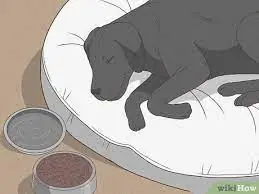
7. Digestive Issues: Vomiting or Changes in Stool
You may notice vomiting, diarrhea, or constipation. The digestive system becomes less effective, and the body may stop processing food properly. Persistent tummy troubles often accompany the final stages of life.
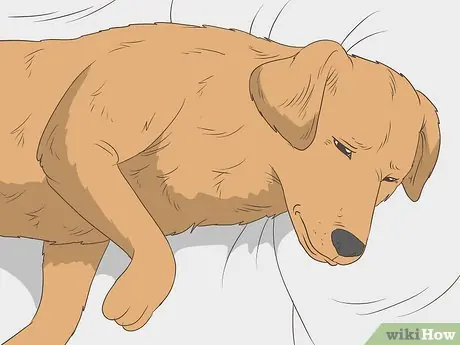
8. Dull, Tired, or “Empty” Looking Eyes
Your dog’s eyes may lose their brightness, appearing cloudy or distant. The change can be subtle—like a lack of sparkle—or very noticeable, giving the impression your dog is exhausted or “far away.”
This is a sign of both physical and neurological decline.
9. Lack of Interest in Surroundings
A dog approaching the end may stop reacting to sounds, sights, or people. They may no longer greet family members, wag their tail, or show excitement for toys or walks.
It is not that they don’t love you anymore — they are simply tired.
10. Body Temperature Changes
Cold paws, ears, or body can indicate that circulation is slowing down. You may notice your dog seeking warmth or shivering more often. Keeping them comfortable with blankets or warm bedding can help during this time.
11. Seeking More Comfort and Closeness
While some dogs withdraw, others become more affectionate, wanting to stay near their favorite person. They may rest their head on your lap, follow you around the house, or quietly sit beside you for comfort.
This is their way of saying they trust you and feel safe with you.
How You Can Support Your Dog During This Time
Even though this stage is incredibly painful for owners, there are several ways to make your dog’s final days peaceful and full of love:
-
Provide a soft, warm, quiet resting space
-
Help them move or stand when needed
-
Keep water nearby and offer small, easy-to-eat meals
-
Use puppy pads or extra blankets for accidents
-
Offer gentle pets, soothing words, and your steady presence
-
Consult your veterinarian about pain relief or hospice care
-
Spend quality time together — they feel your love more than ever
Cherishing Every Moment
Watching a dog approach the end of life is one of the hardest parts of being a pet parent. But recognizing these signs allows you to offer comfort, prevent suffering, and ensure their final moments are filled with peace.
Our dogs give us a lifetime of loyalty. In their final chapter, the best gift we can give them is compassion, patience, and love.