Despite having a full night’s rest, many people still get up feeling sleepy and lacking energy. One possible cause is mouth dryness, a seemingly minor issue that can impact the entire body.
Waking up with your mouth feeling like parched paper isn’t just a matter of discomfort, it can signal that something might be wrong.
This problem usually presents itself in the latter stage of sleep and is due to many interrelated factors, and while it’s not something that should be ignored, many people take little notice when their mouth becomes dry at night.
Being aware of the causes and dealing correctly with it can significantly improve both sleep quality and general health.
1. Digestive Issues
What you eat before you sleep can affect how well your digestive system works. Some foods are particularly a bad choice for nighttime snacks, including greasy, spicy, and salty foods. The reason to avoid them before bed is that they irritate your digestive system and make it harder for the body to process meals while you’re sleeping.
These types of foods use the water of the body and can also increase fat and blood pressure, further exacerbating digestion. As the body continues to process food while you sleep, it will take fluids from other areas, which can lead to a dry mouth in the morning.
2. Liver Problems

The liver is responsible for filtering toxins from your body. When it becomes inflamed or doesn’t work properly, toxins can accumulate in the system. A subtle sign of liver trouble is waking up with a dry mouth during sleep. If it happens often and for no obvious reason, it’s important seek medical advice.
3. Dehydration
One very common reason for dry mouth at night comes down to not drinking enough water throughout the day. Even while you sleep, your body still uses and loses water via respiration, among other basic functions. Low hydration can result in a dry mouth, so drink water consistently throughout the day to avoid this from happening.
4. Oral Diseases

Diseases like gingivitis, periodontitis, and cavities are signs of poor oral hygiene and can cause harmful bacteria to multiply in the mouth. Over the course of the night, these bacteria can accumulate and lead to inflammation and dryness.
This can be prevented with regular brushing, flossing, and visits to the dentist to prevent oral infections from developing.
5. Diabetes
People with diabetes often experience dry mouth, especially at night. High blood sugar levels make your kidneys work harder to eliminate excess sugar through urine. This leads to fluid loss and dehydration. As a result, your mouth may feel unusually dry during sleep.
6. Bile Reflux

Bile reflux can also contribute to dry mouth at night, along with other digestive discomforts. Supporting and maintaining liver health is important for managing this problem.
7. Fever
When you have a fever, your body temperature rises, causing you to lose more fluids than usual. This can lead to a dry mouth and a burning or itchy sensation. Drinking water and reducing the fever through rest or medication can help relieve these symptoms.
8. Hyperthyroidism
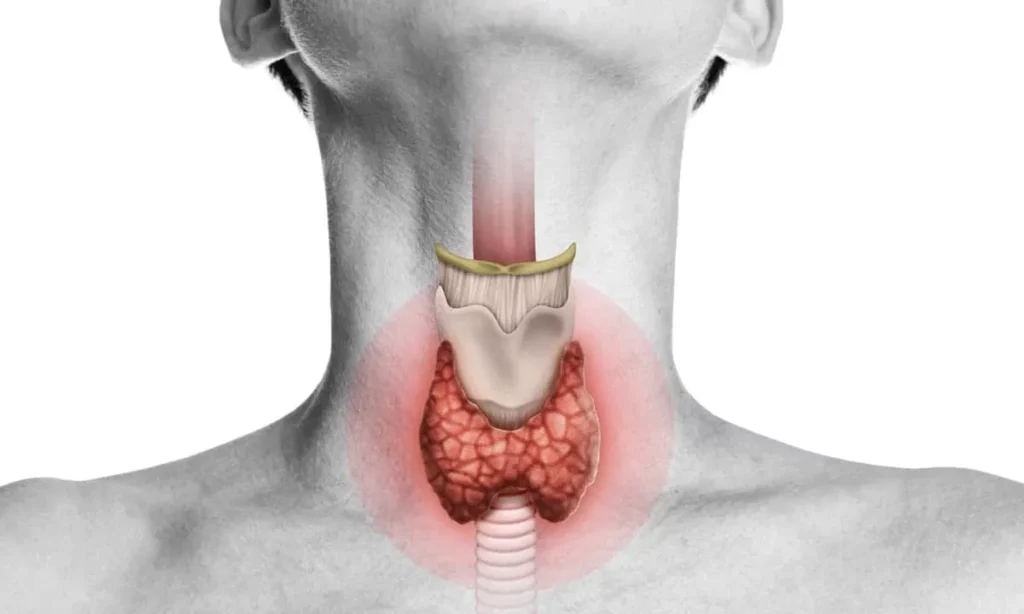
An overactive thyroid speeds up metabolism, which increases the body’s need for water and overstimulates the nervous system. As a result, the mouth may feel extremely dry, even during sleep.
If you find that you often get dry mouth at night, taking a closer look at your diet, hydration, and oral hygiene habits may be helpful.
If the problem doesn’t go away in spite of this, it would be best to consult a doctor to see if there are any underlying medical conditions causing it.