High blood sugar is something millions of people deal with every day. And while medication, physical activity, sleep, weight management, and an overall balanced diet all play important roles in managing glucose levels, what you put on your plate can make a meaningful difference.
One humble vegetable has attracted particular attention because it contains fiber and several beneficial plant compounds and it can easily be added to everyday meals.
That vegetable is okra.
Also known as lady’s finger, okra is commonly eaten in many parts of Asia, Africa, the Caribbean, the Middle East, and the southern United States. Its distinctive texture may not appeal to everyone at first, but nutritionally, this inexpensive vegetable has plenty to offer.
So why is okra often mentioned when people talk about blood sugar? And can eating it actually help people with diabetes?
Here’s what you should know.
Why Okra Is Interesting for Blood Sugar Management
Okra is naturally low in calories while providing dietary fiber, vitamins, minerals, and plant-based antioxidants.
One of its most recognizable characteristics is the slippery, gel-like substance released when the pods are cut or cooked.
This substance contains soluble fiber and mucilage.
Fiber is particularly relevant for people concerned about blood sugar because it can slow digestion and influence how quickly carbohydrates are absorbed.
Instead of carbohydrates being rapidly digested and glucose entering the bloodstream all at once, a fiber-rich meal generally produces a more gradual digestive process.
That doesn't make okra a diabetes treatment, but it does make it a potentially useful component of a balanced, high-fiber eating pattern.
1. Okra Is Rich in Dietary Fiber
Fiber is one of the biggest reasons okra can be a smart choice for people trying to improve the nutritional quality of their meals.
Unlike digestible carbohydrates, dietary fiber isn't broken down into glucose in the same way.
Soluble fiber can form a gel-like substance in the digestive tract and help slow digestion.
This may contribute to a more gradual rise in blood glucose after eating, particularly when fiber-rich vegetables replace foods containing large amounts of refined carbohydrates.
Fiber can also help you feel full for longer.
That matters because appetite and weight management can be important components of managing type 2 diabetes and insulin resistance.
Rather than thinking of okra as something that “removes sugar from the body,” it's more accurate to think of it as a fiber-rich vegetable that can fit naturally into a blood-sugar-conscious diet.
2. It Has a Low Carbohydrate Load
Another advantage of non-starchy vegetables such as okra is that they generally contain relatively few digestible carbohydrates per serving.
Compare a plate filled mainly with refined rice, white bread, fries, or sugary foods with one that includes generous portions of non-starchy vegetables.
The second meal can often provide more volume and fiber without adding a large amount of carbohydrate.
That can be helpful when planning meals for blood sugar management.
Okra can be combined with protein sources such as fish, chicken, tofu, beans, or eggs to create a more balanced meal.
The key is not simply adding okra to an otherwise high-sugar diet. What it replaces and what you eat alongside it matter too.
3. Okra Contains Antioxidants
Okra contains a variety of plant compounds with antioxidant activity, including polyphenols.
Antioxidants help protect cells from oxidative damage caused by unstable molecules known as free radicals.
Why does this matter?
Long-term metabolic disorders such as diabetes are associated with complex processes involving oxidative stress and inflammation.
Eating a diet rich in vegetables, fruits, whole grains, legumes, nuts, and other minimally processed plant foods provides a broad variety of antioxidant compounds.
Okra can contribute to that pattern.
However, no single antioxidant or vegetable can compensate for an unhealthy diet or replace medical treatment.
The benefit comes from the overall dietary pattern.
4. It May Support Heart Health
Blood sugar isn't the only issue people with diabetes need to consider.
Over time, diabetes can substantially increase the risk of cardiovascular disease.
That makes heart-friendly eating especially important.
The soluble fiber found in vegetables such as okra may contribute to healthy cholesterol management when consumed as part of an appropriate diet.
Fiber can interact with substances involved in cholesterol metabolism in the digestive system, which is one reason higher-fiber diets are commonly recommended for cardiovascular health.
Meanwhile, replacing foods high in saturated fat, sodium, and refined carbohydrates with vegetables can further improve the nutritional profile of a meal.
So even if you ignore all the hype surrounding okra and diabetes, it remains a nutritious vegetable worth eating for broader health reasons.
5. Okra May Help With Feeling Full
Ever notice how quickly hunger can return after eating highly refined foods?
A meal dominated by refined carbohydrates may contain plenty of calories without providing much fiber.
Vegetables such as okra add bulk and fiber to meals.
Fiber slows digestion and can increase feelings of fullness, potentially making it easier to manage portion sizes.
For people with type 2 diabetes who have been advised to lose weight, even modest sustainable weight loss can sometimes improve insulin sensitivity and blood sugar management.
Of course, eating okra alone won't cause weight loss.
But replacing calorie-dense foods with larger portions of non-starchy vegetables is a strategy commonly used to reduce overall calorie intake without dramatically reducing meal volume.
6. Could Okra Actually Lower Blood Sugar?
This is where it's important to separate promising research from exaggerated internet claims.
Laboratory and animal studies have investigated whether compounds found in okra could influence glucose metabolism and blood sugar.
Some findings have been promising enough to encourage further research.
However, evidence from laboratory or animal studies does not automatically mean the same effect will occur in humans.
Human research remains much more limited, and there isn't enough high-quality clinical evidence to claim that eating okra treats diabetes or reliably lowers blood glucose on its own.
That distinction is crucial.
Eating okra as part of a nutritious diet is reasonable.
Using okra instead of prescribed diabetes treatment is not.
7. What About “Okra Water”?
You may have seen another trend circulating online: okra water.
The recipe usually involves slicing or soaking raw okra pods in water overnight and drinking the liquid the next morning.
Social media posts sometimes claim this drink can dramatically lower blood sugar.
Those claims should be treated cautiously.
While soaking okra may transfer some soluble components into the water, there is not strong clinical evidence showing that okra water is a reliable treatment for diabetes.
More importantly, drinking the water and throwing away the vegetable may mean missing out on some of the fiber and nutrients present in the whole food.
For most people, eating the vegetable itself is a much more straightforward way to include okra in the diet.
8. The Way You Cook Okra Matters
Not every okra dish has the same nutritional profile.
Deep-fried okra may contain considerably more calories and fat than boiled, steamed, roasted, grilled, or lightly sautéed okra.
Similarly, cooking okra with large amounts of butter, salt, sugary sauces, or processed meats can change the overall healthfulness of the meal.
If blood sugar and cardiovascular health are priorities, consider preparing okra by:
• Steaming
• Boiling
• Roasting
• Grilling
• Air-frying with minimal added oil
• Lightly sautéing
• Adding it to soups and stews
Pairing it with lean protein and other vegetables can create a satisfying meal without excessive refined carbohydrates.
9. Don't Forget the Rest of Your Plate
There's a common mistake in nutrition: focusing intensely on one “superfood” while ignoring everything else.
Imagine eating okra every evening but continuing to consume large quantities of sugary drinks, desserts, refined carbohydrates, and highly processed foods throughout the day.
The okra cannot cancel those foods out.
Blood sugar management is much more dependent on your overall dietary pattern.
A practical plate might contain a generous serving of non-starchy vegetables, an appropriate portion of protein, and a controlled portion of high-quality carbohydrate.
Whole grains, beans, lentils, vegetables, nuts, seeds, fish, and minimally processed foods can all play useful roles depending on individual dietary needs.
10. There Is No Single “Diabetes-Killing” Food
This point is worth emphasizing.
You may encounter headlines claiming that a vegetable is the “enemy of diabetes,” “destroys blood sugar,” or “cures diabetes naturally.”
Nutrition doesn't work that way.
Diabetes is a complex metabolic condition.
Type 1 diabetes involves autoimmune destruction of insulin-producing cells and requires insulin treatment.
Type 2 diabetes involves insulin resistance and, over time, may also involve reduced insulin production. Management can include dietary changes, physical activity, weight management, oral medications, injectable medications, and/or insulin depending on the individual.
A vegetable cannot replace these interventions.
What vegetables can do is help create an eating pattern that supports better metabolic health.
And that's still extremely valuable.
Other Vegetables Worth Adding to Your Plate
Okra isn't the only vegetable that can fit well into a diabetes-friendly eating pattern.
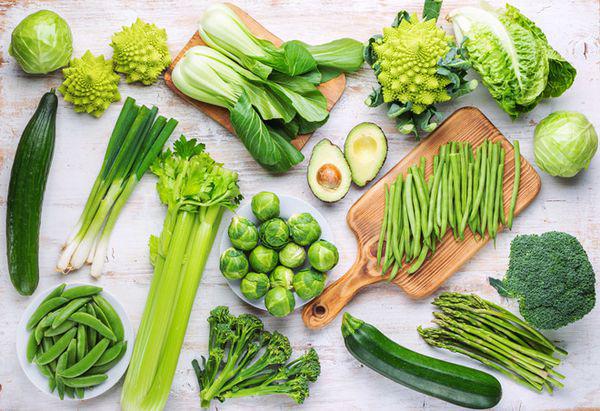
Consider including a variety of non-starchy vegetables such as:
Broccoli – provides fiber, vitamin C, and numerous plant compounds.
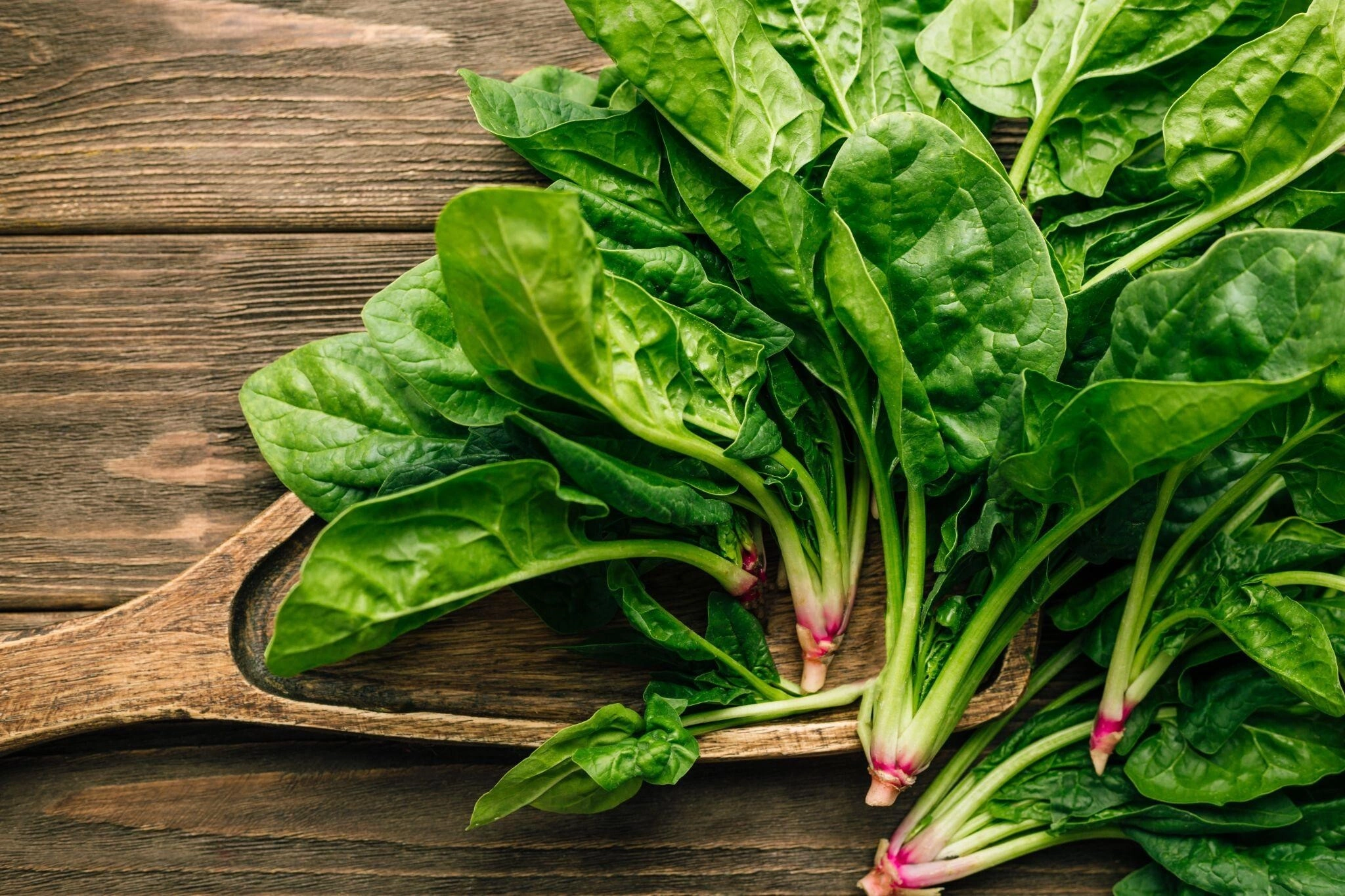
Spinach – low in carbohydrates and rich in micronutrients.
Cauliflower – versatile and relatively low in digestible carbohydrates.
Cabbage – inexpensive, filling, and easy to incorporate into many meals.
Green beans – provide fiber while remaining relatively low in calories.
Bell peppers – rich in vitamin C and add natural sweetness without much carbohydrate.
Eggplant – provides fiber and works well in many savory dishes.
Variety matters because different vegetables provide different vitamins, minerals, fibers, and phytochemicals.
A Simple Blood-Sugar-Friendly Meal Idea
If you're unsure how to incorporate okra, keep things simple.
Try roasted or lightly sautéed okra alongside grilled fish or chicken and a large serving of mixed vegetables.
Add a moderate portion of a fiber-rich carbohydrate such as beans, lentils, brown rice, or another whole grain if appropriate for your nutritional needs.
The combination of fiber, protein, and minimally processed carbohydrates can help create a more balanced meal than one centered primarily around refined starches.
Portion size still matters, particularly for carbohydrate-containing foods.
A Special Note for People Taking Diabetes Medication
If you have diabetes and take medication, don't dramatically change your diet or start using concentrated herbal products or supplements without discussing them with your healthcare provider.
Some dietary changes can influence blood glucose.
When combined with glucose-lowering medications, significant changes may occasionally increase the risk of blood sugar becoming too low, depending on the medication being used.
There have also been questions in the scientific literature about possible interactions between okra and certain medications, although the clinical significance is not fully established.
Eating okra as a normal vegetable is different from consuming large amounts of extracts, powders, supplements, or homemade preparations marketed as treatments.
If you're uncertain, ask your doctor, pharmacist, or registered dietitian.
The Bottom Line
So, is okra a “strong opponent” of diabetes?
That's an appealing headline, but the reality is more nuanced.
Okra is a nutritious, fiber-rich, non-starchy vegetable that can be a smart addition to a balanced diet—especially for people trying to manage their carbohydrate intake and support healthy blood sugar levels.
Its fiber may help slow digestion and increase fullness, while its vitamins and plant compounds contribute to overall nutrition.
But okra is not a cure for diabetes, and current evidence does not support replacing medication or professional medical care with okra, okra water, or any other single food.
The most effective approach to blood sugar management is rarely about finding one miracle ingredient.
It's about building sustainable habits: eating more minimally processed foods, choosing plenty of vegetables, getting adequate fiber and protein, staying physically active, sleeping well, monitoring blood glucose when recommended, and taking prescribed medications appropriately.
Sometimes, the healthiest foods don't need to be exotic or expensive.
A simple vegetable sitting in your local market may already be a great place to start.