Drinking Coffee at the Right Time of Day May Reduce Your Risk of Death and Heart Disease
Researchers are increasingly finding that timing plays a crucial role in how coffee affects the heart, metabolism, and long-term health.
Why Coffee Impacts the Heart
Coffee contains powerful bioactive compounds, including caffeine and antioxidants, which influence blood vessels, inflammation, and insulin sensitivity. In moderate amounts, these compounds have been associated with a lower risk of cardiovascular disease and premature death. However, coffee also stimulates the nervous system, meaning its effects depend heavily on the body’s natural rhythms.
The Role of Your Body Clock
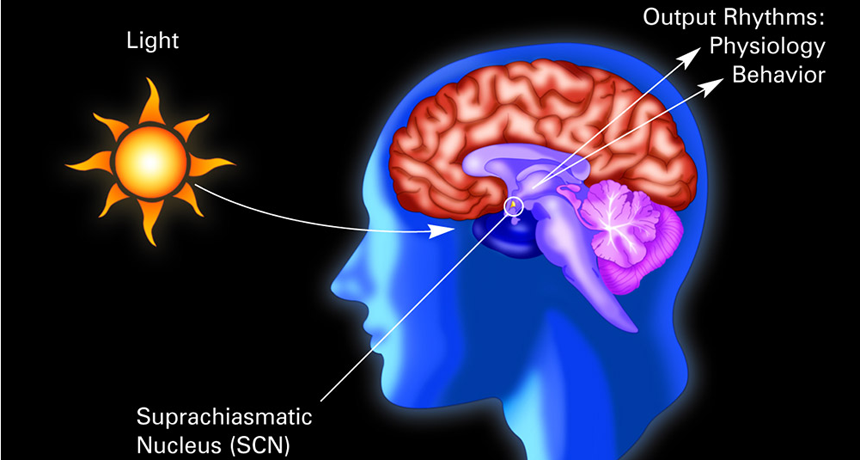
The human body operates on a circadian rhythm, a 24-hour internal clock that regulates hormones, blood pressure, digestion, and sleep. Cortisol, the hormone that helps you feel awake and alert, naturally peaks in the morning and gradually declines throughout the day.
Scientists believe that drinking coffee in alignment with this rhythm allows the body to gain benefits while minimizing stress on the heart. Consuming caffeine at the wrong time may interfere with hormonal balance, blood pressure regulation, and sleep quality.
The Best Time to Drink Coffee
Research suggests that morning to late morning is the optimal window for coffee consumption, generally between 9:00 a.m. and 11:30 a.m. During this period, cortisol levels begin to dip naturally, allowing caffeine to enhance alertness without overstimulating the cardiovascular system.
Drinking coffee during this window may:
-
Improve mental focus and energy
-
Reduce strain on the heart
-
Support healthier blood pressure patterns
-
Enhance antioxidant absorption
This timing appears to maximize coffee’s protective effects while limiting its potential risks.
Why Late-Day Coffee May Be Harmful
Consuming coffee later in the afternoon or evening can disrupt sleep, even if you do not feel immediately affected. Poor sleep quality is strongly linked to higher risks of heart disease, obesity, diabetes, and early mortality.
Additionally, late caffeine intake may:
-
Increase nighttime heart rate
-
Elevate blood pressure during rest
-
Interfere with melatonin production
-
Prolong stress hormone activity
Over time, these effects can undermine the cardiovascular benefits coffee is otherwise known for.
Coffee and Reduced Risk of Death
Large observational studies have shown that people who drink coffee earlier in the day tend to have a lower risk of all-cause mortality compared to those who drink it throughout the day or late at night. Scientists believe this is because early coffee consumption supports metabolic function without disturbing sleep or recovery cycles.
The protective effect appears strongest among individuals who:
-
Drink coffee consistently in the morning
-
Limit intake to moderate amounts
-
Avoid excessive sugar and creamers
-
Pair coffee with a balanced lifestyle
How Much Coffee Is Considered Healthy
Timing alone is not enough—moderation still matters. Most experts agree that 2 to 4 cups of coffee per day is generally safe for healthy adults. Excessive caffeine intake, even at the right time, can lead to anxiety, heart palpitations, and digestive discomfort.
People with heart conditions, high blood pressure, or caffeine sensitivity should consult a healthcare professional to determine their ideal intake.
Who Benefits the Most from Proper Coffee Timing
Drinking coffee at the right time may be especially beneficial for:
-
Individuals with a family history of heart disease
-
People managing blood pressure or cholesterol
-
Those aiming to improve energy without harming sleep
-
Adults seeking long-term cardiovascular protection
By aligning coffee intake with natural biological rhythms, the body is better able to process caffeine efficiently and safely.
Simple Tips for Healthier Coffee Habits
To get the most benefit from your daily coffee:
-
Drink coffee after breakfast, not on an empty stomach
-
Avoid coffee after mid-afternoon
-
Choose black coffee or lightly sweetened options
-
Stay hydrated throughout the day
-
Prioritize quality sleep alongside caffeine use
Final Thoughts
Coffee is more than just a morning ritual—it is a powerful beverage that can influence long-term health. Drinking coffee at the right time of day may help reduce the risk of heart disease and premature death, according to growing scientific evidence.