For centuries, traditional herbal medicine has relied on plants to support both physical and emotional well-being. Among these time-honored remedies, motherwort stands out as a unique herb valued for its dual action on the heart and nervous system.
Used across Europe and Asia for generations, motherwort has earned a reputation as a calming, supportive plant — especially for those experiencing stress, anxiety, or heart-related discomfort. While modern science continues to explore its full potential, its long history of use makes it one of the most intriguing herbal remedies in natural medicine.
What Is Motherwort?
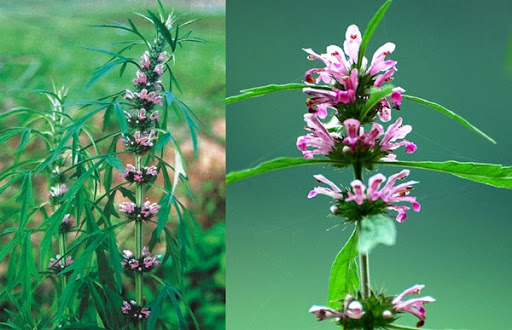
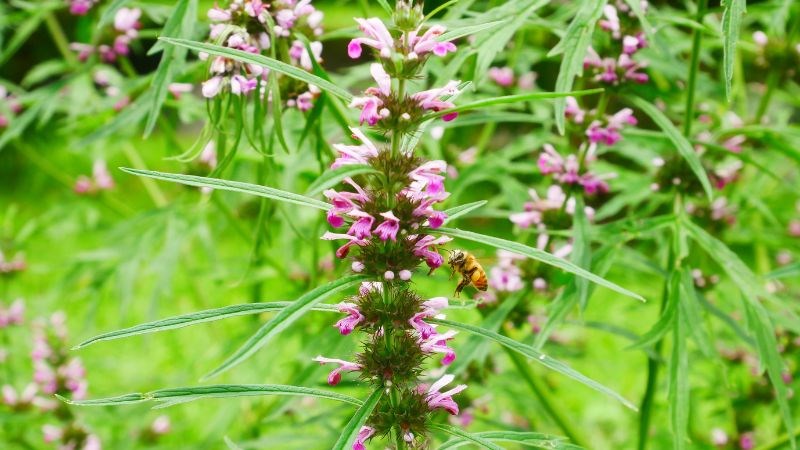
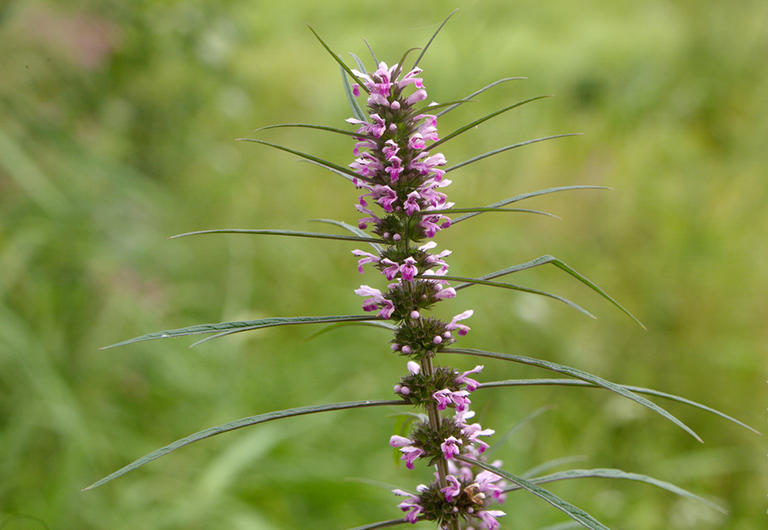
Motherwort, scientifically known as Leonurus cardiaca, is a perennial herb belonging to the mint family. It grows widely in temperate regions and is easily recognized by its jagged leaves and small, pinkish-purple flowers.
The name “motherwort” reflects its traditional use in supporting women’s health, but over time, it has become more widely known for its benefits to the cardiovascular and nervous systems.
The plant contains several active compounds, including:
- Alkaloids
- Flavonoids
- Glycosides
- Tannins
These compounds are believed to contribute to its calming and heart-supportive effects.
A Natural Ally for Heart Health
One of the most well-known traditional uses of motherwort is its ability to support heart function.
Historically, it has been used to:
- Help regulate heart rhythm
- Reduce sensations of heart palpitations
- Support circulation
Some herbal practitioners describe motherwort as a “cardiotonic,” meaning it may help strengthen and stabilize heart activity.
In situations where stress or anxiety leads to a racing heart, motherwort has been traditionally used to:
- Promote a steadier heartbeat
- Reduce feelings of tightness in the chest
- Encourage relaxation of the cardiovascular system
While these effects are supported by traditional use, it is important to note that motherwort is not a replacement for medical treatment in serious heart conditions.
Calming the Nervous System
Beyond its impact on the heart, motherwort is widely appreciated for its soothing effect on the nervous system.
Modern life often brings chronic stress, anxiety, and mental fatigue — all of which can disrupt both emotional and physical health. Motherwort has been traditionally used to help:
- Reduce nervous tension
- Ease mild anxiety
- Promote a sense of calm
Unlike some sedatives, motherwort is not typically associated with heavy drowsiness. Instead, it is believed to support a more balanced, relaxed state without impairing alertness.
This makes it especially appealing for individuals who want to:
- Stay focused while reducing stress
- Manage emotional fluctuations
- Support overall mental well-being
The Connection Between the Heart and Mind
One of the most fascinating aspects of motherwort is how it addresses the connection between the heart and the nervous system.
Stress and anxiety often manifest physically through:
- Increased heart rate
- Palpitations
- Elevated blood pressure
Motherwort’s traditional role lies in helping to break this cycle, calming both the mind and the heart simultaneously.
By supporting relaxation, it may:
- Lower stress-induced heart symptoms
- Promote emotional stability
- Improve overall resilience to daily pressures
Traditional Uses Across Cultures
Motherwort has been used in various traditional medicine systems, including European herbalism and traditional Chinese medicine.
Historically, it has been applied in:
- Herbal teas
- Tinctures
- Extracts
In addition to heart and nervous system support, it has also been traditionally associated with:
- Women’s reproductive health
- Menstrual support
- Postpartum recovery
These diverse uses highlight its versatility as a herbal remedy.
Modern Perspective and Scientific Interest
In recent years, researchers have begun to study motherwort more closely. Some early findings suggest that its compounds may have:
- Mild calming (sedative-like) properties
- Potential effects on heart rhythm
- Antioxidant activity
However, it is important to emphasize that:
- Scientific evidence is still limited
- More clinical studies are needed
- Results may vary depending on dosage and preparation
As such, motherwort is best viewed as a supportive herbal option, not a definitive medical solution.
How Motherwort Is Commonly Used
Motherwort is available in several forms, including:
- Herbal teas
- Liquid extracts (tinctures)
- Capsules
Tea is one of the most traditional methods, offering a gentle way to experience its calming effects. Tinctures, on the other hand, are more concentrated and often used in smaller doses.
The appropriate form depends on individual preference and needs.
Safety and Precautions
Although motherwort is natural, it is not entirely risk-free. Like any herbal remedy, it should be used with care.
Important considerations include:
- Avoid use during pregnancy
- Consult a healthcare professional if you have heart conditions
- Be cautious when combining with medications
Natural does not always mean harmless, and responsible use is essential.
Why Motherwort Still Matters Today
In a fast-paced world filled with stress and constant stimulation, the need for natural ways to support both the mind and body has never been greater.
Motherwort offers a unique approach by addressing two interconnected systems:
- The emotional (nervous system)
- The physical (heart function)
Its long-standing use in traditional medicine reflects a holistic understanding of health - one that recognizes the deep connection between how we feel and how our bodies function.
Final Thoughts
Motherwort is more than just an ancient herb - it is a symbol of how traditional knowledge continues to inform modern wellness practices.
While it should not replace medical care, it may serve as a gentle, supportive option for those seeking to:
- Calm the mind
- Support heart health
- Restore balance in daily life
As with any health approach, the key lies in informed, mindful use. In the right context, motherwort remains a fascinating and potentially valuable ally in maintaining both emotional and physical well-being.