
The amazing benefits of motherwort that many people are unaware of
Motherwort: A time-honored herb for heart health and nervous system balance
Health 23/03/2026 10:40
Women’s reproductive health is deeply connected to lifestyle — especially diet and daily habits. The ovaries, which play a central role in hormone production and egg quality, are highly sensitive to inflammation, oxidative stress, and nutritional deficiencies.
While genetics and age are factors we can’t control, what you eat and how you live every day can significantly influence ovarian function and fertility.
Below are 10 powerful foods and habits that can help protect your ovaries, balance hormones, and support long-term reproductive health.
Berries such as blueberries, strawberries, and raspberries are packed with antioxidants like vitamin C and flavonoids. These compounds help neutralize free radicals that can damage ovarian cells and affect egg quality.
Regular consumption of antioxidant-rich fruits may:
Adding a handful of berries to your breakfast or snacks is a simple but effective step.

Healthy fats are essential for hormone production. Foods rich in omega-3 fatty acids — such as salmon, walnuts, chia seeds, and flaxseeds — help reduce inflammation and support hormonal balance.
Omega-3s may:
Avoid trans fats and highly processed oils, which can have the opposite effect.
Spinach, kale, and broccoli are rich in folate, iron, and magnesium — all crucial nutrients for reproductive health.
Folate, in particular, plays a key role in:
Leafy greens also support detoxification, helping the body eliminate excess hormones.
Protein is vital for tissue repair and hormone production. Opt for:
Protein helps maintain stable blood sugar levels, which is important for hormonal balance and ovulation.
Nuts and seeds (like almonds, sunflower seeds, and pumpkin seeds) are rich in vitamin E, zinc, and healthy fats.
These nutrients:
A small daily portion can make a noticeable difference over time.
Water plays a crucial role in transporting nutrients and hormones throughout the body. Proper hydration also supports cervical fluid production, which is important for fertility.
Aim for:
Avoid excessive caffeine and sugary beverages, which can disrupt hormone balance.

Both underweight and overweight conditions can negatively affect ovarian function. Excess body fat can lead to hormonal imbalances, while being underweight may disrupt ovulation.
Healthy weight management helps:
Focus on balanced nutrition rather than extreme dieting.
Chronic stress increases cortisol levels, which can interfere with reproductive hormones like estrogen and progesterone.
Stress management techniques include:
Even small daily habits can significantly improve hormonal balance.
Sleep is when the body repairs and regulates hormones. Poor sleep can disrupt the endocrine system and negatively impact ovarian function.
Aim for:
Good sleep supports hormone production and overall reproductive health.
Highly processed foods, refined sugars, and artificial additives can increase inflammation and insulin resistance, both of which can harm ovarian function.
Reducing these foods may:
Replace processed snacks with whole, nutrient-dense foods whenever possible.
Ovarian health is not determined by a single factor — it’s the result of consistent, everyday choices. The foods you eat and the habits you maintain can either support or disrupt your reproductive system.
By incorporating these 10 foods and lifestyle practices, you create a strong foundation for:
Start small, stay consistent, and remember: your daily habits shape your long-term health.
Women’s reproductive health is deeply connected to lifestyle — especially diet and daily habits. The ovaries, which play a central role in hormone production and egg quality, are highly sensitive to inflammation, oxidative stress, and nutritional deficiencies.
While genetics and age are factors we can’t control, what you eat and how you live every day can significantly influence ovarian function and fertility.
Below are 10 powerful foods and habits that can help protect your ovaries, balance hormones, and support long-term reproductive health.
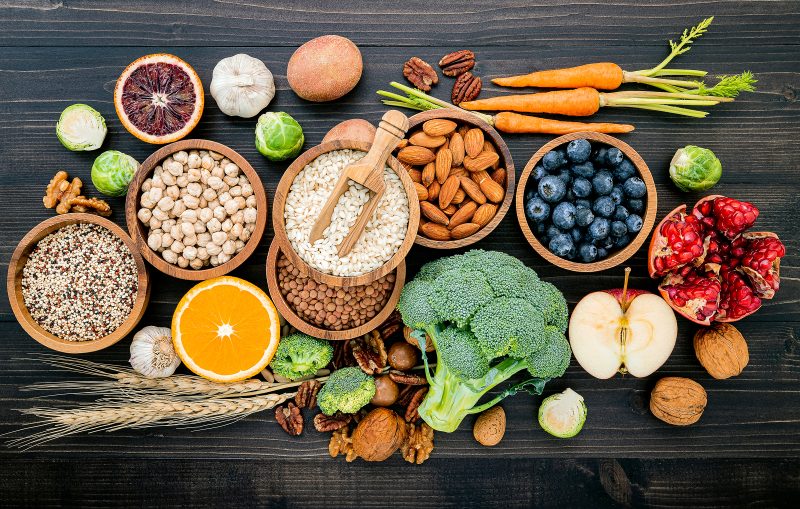
Berries such as blueberries, strawberries, and raspberries are packed with antioxidants like vitamin C and flavonoids. These compounds help neutralize free radicals that can damage ovarian cells and affect egg quality.
Regular consumption of antioxidant-rich fruits may:
Adding a handful of berries to your breakfast or snacks is a simple but effective step.
Healthy fats are essential for hormone production. Foods rich in omega-3 fatty acids — such as salmon, walnuts, chia seeds, and flaxseeds — help reduce inflammation and support hormonal balance.
Omega-3s may:
Avoid trans fats and highly processed oils, which can have the opposite effect.
Spinach, kale, and broccoli are rich in folate, iron, and magnesium — all crucial nutrients for reproductive health.
Folate, in particular, plays a key role in:
Leafy greens also support detoxification, helping the body eliminate excess hormones.
Protein is vital for tissue repair and hormone production. Opt for:
Protein helps maintain stable blood sugar levels, which is important for hormonal balance and ovulation.
Nuts and seeds (like almonds, sunflower seeds, and pumpkin seeds) are rich in vitamin E, zinc, and healthy fats.
These nutrients:
A small daily portion can make a noticeable difference over time.
Water plays a crucial role in transporting nutrients and hormones throughout the body. Proper hydration also supports cervical fluid production, which is important for fertility.
Aim for:
Avoid excessive caffeine and sugary beverages, which can disrupt hormone balance.

Both underweight and overweight conditions can negatively affect ovarian function. Excess body fat can lead to hormonal imbalances, while being underweight may disrupt ovulation.
Healthy weight management helps:
Focus on balanced nutrition rather than extreme dieting.
Chronic stress increases cortisol levels, which can interfere with reproductive hormones like estrogen and progesterone.
Stress management techniques include:
Even small daily habits can significantly improve hormonal balance.
Sleep is when the body repairs and regulates hormones. Poor sleep can disrupt the endocrine system and negatively impact ovarian function.
Aim for:
Good sleep supports hormone production and overall reproductive health.
Highly processed foods, refined sugars, and artificial additives can increase inflammation and insulin resistance, both of which can harm ovarian function.
Reducing these foods may:
Replace processed snacks with whole, nutrient-dense foods whenever possible.
Ovarian health is not determined by a single factor — it’s the result of consistent, everyday choices. The foods you eat and the habits you maintain can either support or disrupt your reproductive system.
By incorporating these 10 foods and lifestyle practices, you create a strong foundation for:
Start small, stay consistent, and remember: your daily habits shape your long-term health.
Motherwort: A time-honored herb for heart health and nervous system balance
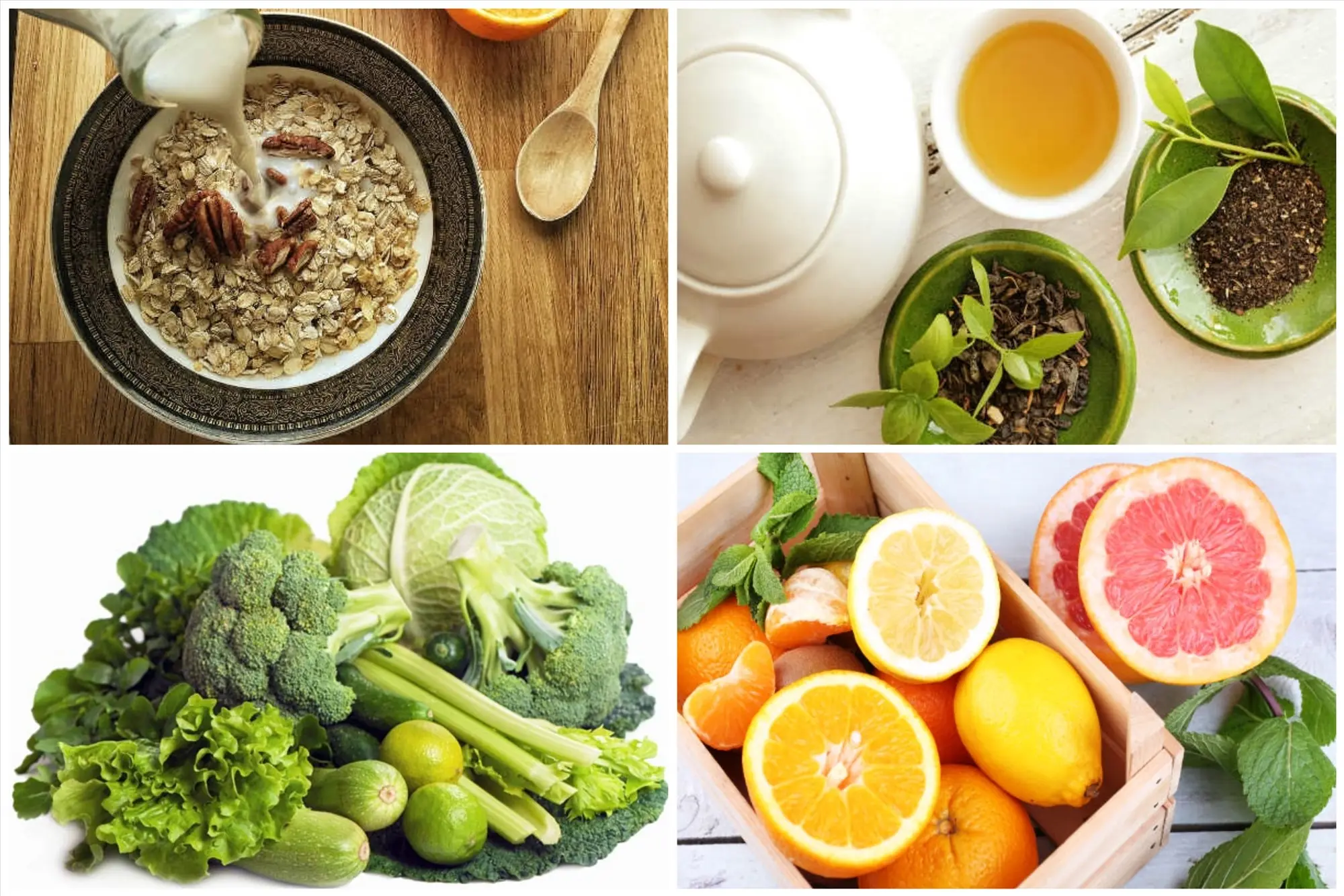
These Foods Let You Eat More Without Packing on the Pounds

Song Meiling beat the odds—diagnosed with cancer at 40, she lived to 106. Her secret? 1 cancer-fighting vegetable and 3 cheap drinks you can find at the market

Certain parental blood types have been linked to higher IQ levels in chil.dren

New Study Finds Online Therapy Can Ease the Misery of Tinnitus

Wives’ bre.ast can.cer risk may be influenced by their husbands’ unhealthy habits

Forget Weight-Loss Jabs—Researchers Say Python Blood Could Help Control Appetite

Understanding back-of-head pain: 5 causes and practical treatments

One Type of Alcohol Could Lower Your Risk of Dying Young by 25%, Study Suggests

A 26-Year-Old Woman Diagnosed With Gynecological Cancer — A Heartbroken Mother Says: “I Kept Telling Her to Quit That Habit, but She Never Listened”


Abdominal discomfort is extremely common, and most of the time it’s nothing more than temporary irritation, stress, or something you ate that didn’t vibe well with your digestive system.

Kidneys play a vital role in keeping the body healthy. They filter waste from the blood, regulate fluid balance, control blood pressure, and support overall metabolic function.

Hay Fever Season Is Here—5 Effective Defenses to Try Now, From Medication to Natural Hacks

6 Foods That May Still Be Safe After the Expiration Date — Avoid Unnecessary Waste

Stomach cancer is often called a “silent killer” because its early symptoms are easy to ignore or confuse with common digestive problems.

Warning Symptoms of Heart Blockage in the Legs and Feet That Often Appear at Night

Noticed a lump on your neck, back, or behind your ear? It might be your body asking for a little attention

We spend up to 90% of our time indoors — at home, at work, or in schools.

13 Oldest Dog Breeds: Legendary Origins and Unique Traditions
Motherwort: A time-honored herb for heart health and nervous system balance
These Foods Let You Eat More Without Packing on the Pounds

What is the purpose of the fabric strip placed across hotel beds?

Daily Sweet Potato Intake: What Happens to Your Body and Why It Matters
Song Meiling beat the odds—diagnosed with cancer at 40, she lived to 106. Her secret? 1 cancer-fighting vegetable and 3 cheap drinks you can find at the market

6 smart tricks your phone’s side buttons can perform besides volume control
Certain parental blood types have been linked to higher IQ levels in chil.dren
New Study Finds Online Therapy Can Ease the Misery of Tinnitus
Wives’ bre.ast can.cer risk may be influenced by their husbands’ unhealthy habits
Forget Weight-Loss Jabs—Researchers Say Python Blood Could Help Control Appetite
Understanding back-of-head pain: 5 causes and practical treatments
One Type of Alcohol Could Lower Your Risk of Dying Young by 25%, Study Suggests
A 26-Year-Old Woman Diagnosed With Gynecological Cancer — A Heartbroken Mother Says: “I Kept Telling Her to Quit That Habit, but She Never Listened”
Abdominal discomfort is extremely common, and most of the time it’s nothing more than temporary irritation, stress, or something you ate that didn’t vibe well with your digestive system.

Want better health? Here are the 3 best times to drink coconut water—and who should enjoy it daily
Kidneys play a vital role in keeping the body healthy. They filter waste from the blood, regulate fluid balance, control blood pressure, and support overall metabolic function.
Hay Fever Season Is Here—5 Effective Defenses to Try Now, From Medication to Natural Hacks