
Sweet Potatoes Are More Nutritious Than Many People Realize Here Are 8 Benefits
Sweet Potatoes Offer More Than Great Taste Here Are 8 Potential Health Benefits
Health 09/06/2026 01:13
PYTHON blood could hold the key to the next blockbuster weight loss treatment, scientists say.
The reptiles can go months without eating after consuming a massive meal, while still remaining healthy.

University of Colorado Boulder researchers say they’ve discovered an appetite-suppressing compound in python blood that helps them do this.
The study, conducted with scientists at Stanford and Baylor universities, could pave the way for future weight loss treatments for humans.
New treatments derived from python blood could help keep slimmers full for longer, in the way that GLP-1 drugs like Wegovy and Mounjaro do – but without the unpleasant side effects like nausea and muscle wasting.
Prof Leslie Leinwand, the study’s senior author who’s studied pythons for two decades, said: “This is a perfect example of nature-inspired biology
“You look at extraordinary animals that can do things that you and I and other mammals can’t do, and you try to harness that for therapeutic interventions.”
Weight loss jabs and pills work by mimicking appetite-regulating hormones, slowing digestion, dulling hunger pangs and helping people stay fuller for longer.
But the drugs can cause side effects such as feeling sick, diarrhoea, constipation and stomach pain.
Some users also lose muscle along with fat, which can lead to sagging and raise the risk of long-term weight regain.
It’s why experts advise people treat their time on jabs as a ‘training period’ to introduce healthy eating and exercise habits.
Research published in Natural Metabolism suggests we may be able to take cues from reptiles in making new weight loss treatments that don’t trigger these side effects.
Pythons, which grow as big as a telephone pole, can swallow an antelope whole, and go months or even years without eating — all while maintaining a healthy heart and plenty of muscle mass.
In the hours after they eat, Prof Leinwand’s research has shown, their heart expands 25 per cent and their metabolism speeds up 4,000-fold to help them digest their meal.
Prof Leinwand teamed up with Jonathan Long, an associate professor of pathology at Stanford University to get a better idea of what makes these eating superpowers possible.
Prof Long said: “If we truly want to understand metabolism, we need to go beyond looking at mice and people and look at the greatest metabolic extremes nature has to offer.”
The team measured blood samples from ball pythons and Burmese pythons immediately after they ate a meal.
The snakes were fed once every 28 days.
Researchers identified 208 metabolites – substances made or used when the body breaks down food – that increased significantly after the pythons ate.
One molecule, called para-tyramine-O-sulfate (pTOS) increased 1,000-fold.
Further studies, done with Baylor University researchers, showed giving high doses of pTOS to obese or lean mice triggered weight loss without causing gastrointestinal problems, muscle loss or tiredness.
The study found that pTOS, which is produced by the snake’s gut bacteria, is not present in mice naturally.
But it is present in humans. There are low levels in human urine and the compound increases slightly after a meal.
Prof Leinwand said: “We’ve basically discovered an appetite suppressant that works in mice without some of the side-effects that GLP-1 drugs have.”
She claimed GLP-1s were actually inspired by another reptile, the Gila monster.
Gila monster venom contains a hormone similar to human GLP-1.
“We believe there is still room for therapeutic growth in this market,” Prof Leinwand added.
She, Prof Long and her CU Boulder colleagues have formed a start-up, Arkana Therapeutics, to work toward making new treatments off the back of their research on pythons.
They hope to one day make weight loss drugs for people using metabolites found in pythons.
Aside from weight loss, these drugs could also target age-related muscle loss, or sarcopenia, which impacts nearly everyone to some degree as they get older.
Over time, it can cause muscle weakness and make it hard to exercise, but there are currently no drugs to stop or reverse sarcopenia.
In future research, the team hopes to explore how pTOS works in people.
They also want to identify other useful compounds in pythons.
“We’re not stopping with just this one metabolite,” Prof Leinwand said.
“There’s a lot more to be learned.”
Sweet Potatoes Offer More Than Great Taste Here Are 8 Potential Health Benefits
Can.cer Often Develops Silently - These 8 Bathroom-Related Symptoms May Warrant Medical Attention

Morning Shoulder Pain Explained: Common Causes and Practical Solutions
8 Warning Signs Your Kidneys May Not Be Working Properly

Doctors Reveal What Visible Veins May Indicate About Your Circulation and Health

Small insects hidden in furniture may signal a larger household issue.
Proper cooking methods help vegetables stay safe and nutritious daily.

Think It's Just Dry Skin? One of These 9 Types of Itching May Point to a Bigger Issue 😨

Four nutrient-rich vegetables linked to better health and wellness daily.
Eggs for Breakfast Every Day? Here’s What Experts Say Could Happen

The Surprising Health Potential Hidden in These 4 Common Leaves
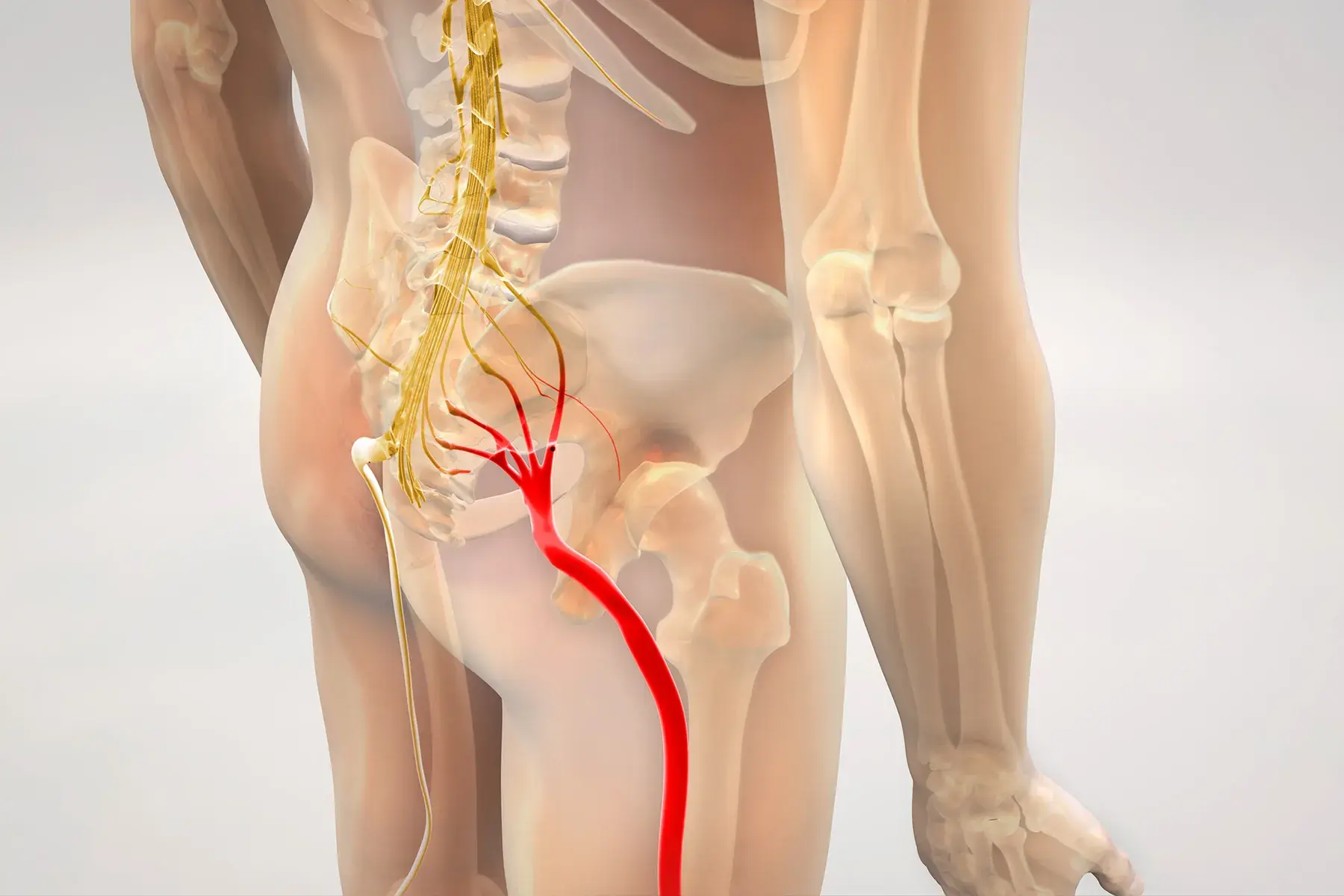
Living With Sciatica? Try These Natural Methods That May Help Reduce Pain and Discomfort
The Surprising Health Benefits of Garlic Supported by Research
Your Blood Type Might Reveal More About Your Health Than You Think

Experts explain what to know about toilet paper safety concerns today.

Doctors Say Every Family Should Learn This Important Lesson

Poor eating habits may quietly affect liver health from a young age.
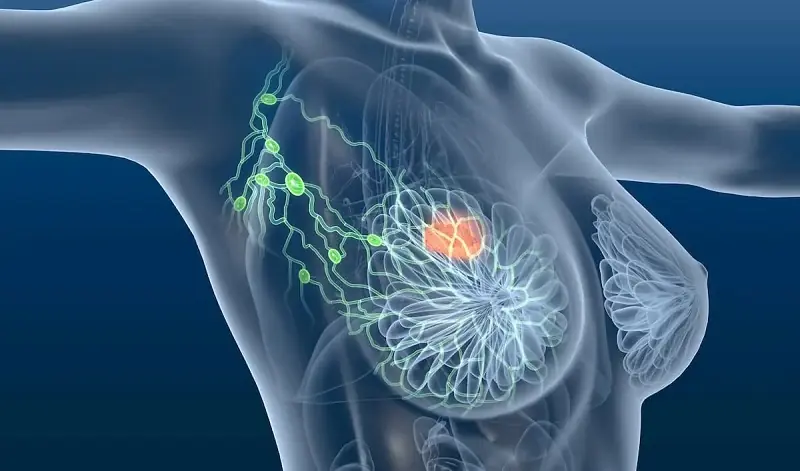
10 Important Breast Health Signs You Shouldn't Ignore
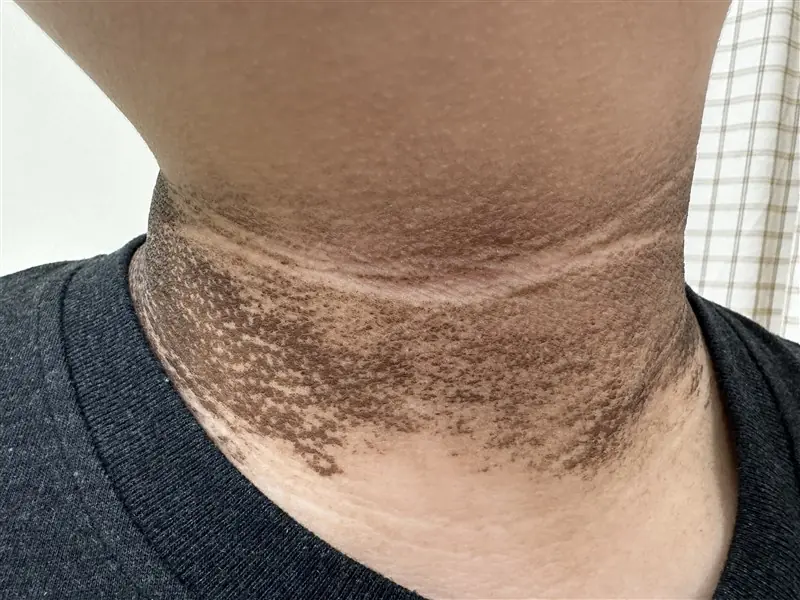
Be Caut.ious If Any of These 5 Areas Develop Unu.sual Da.rk Discol.oration

The Surprising Reasons Your Neck May Be Aging Faster Than the Rest of Your Skin
Sweet Potatoes Offer More Than Great Taste Here Are 8 Potential Health Benefits
Can.cer Often Develops Silently - These 8 Bathroom-Related Symptoms May Warrant Medical Attention
Morning Shoulder Pain Explained: Common Causes and Practical Solutions
8 Warning Signs Your Kidneys May Not Be Working Properly
The Hidden Potential of Cloves and Baby Oil: What You Should Know
Doctors Reveal What Visible Veins May Indicate About Your Circulation and Health
Small insects hidden in furniture may signal a larger household issue.
Proper cooking methods help vegetables stay safe and nutritious daily.
Think It's Just Dry Skin? One of These 9 Types of Itching May Point to a Bigger Issue 😨
Four nutrient-rich vegetables linked to better health and wellness daily.
Eggs for Breakfast Every Day? Here’s What Experts Say Could Happen
The Surprising Health Potential Hidden in These 4 Common Leaves
Living With Sciatica? Try These Natural Methods That May Help Reduce Pain and Discomfort
The Surprising Health Benefits of Garlic Supported by Research
Your Blood Type Might Reveal More About Your Health Than You Think
Experts explain what to know about toilet paper safety concerns today.
Doctors Say Every Family Should Learn This Important Lesson
Poor eating habits may quietly affect liver health from a young age.
10 Important Breast Health Signs You Shouldn't Ignore
Be Caut.ious If Any of These 5 Areas Develop Unu.sual Da.rk Discol.oration