Fingernails and toenails do much more than protect the tips of the fingers and toes. In many cases, nails may also provide important clues about a person’s overall health. Changes in nail color, texture, thickness, or shape can sometimes reflect nutritional deficiencies, circulation problems, infections, or other medical conditions developing inside the body.
Although many nail changes are harmless and caused by aging, injuries, cosmetic products, or environmental exposure, some persistent or unusual symptoms may deserve medical attention. Doctors occasionally use nail appearance as part of a broader evaluation because nails can reflect changes in circulation, oxygen levels, metabolism, and immune function.
It is important to understand that nail changes alone cannot diagnose disease. Many symptoms have multiple possible causes. However, recognizing unusual nail changes may encourage earlier medical evaluation and better awareness of overall health.
Why Nails Reflect Overall Health
Nails are made primarily of:
- Keratin protein
Healthy nail growth depends on:
- Good circulation
- Proper nutrition
- Adequate oxygen delivery
- Hormonal balance
- Healthy metabolism
Because nails grow slowly over time, they may sometimes reflect changes occurring inside the body weeks or months earlier.
What Healthy Nails Usually Look Like
Healthy nails are generally:
- Smooth
- Slightly curved
- Even in color
- Firm but flexible
Most healthy nails have:
- A pinkish tone
- Minimal ridges
- Consistent growth
Minor variations are common and not always a sign of disease.
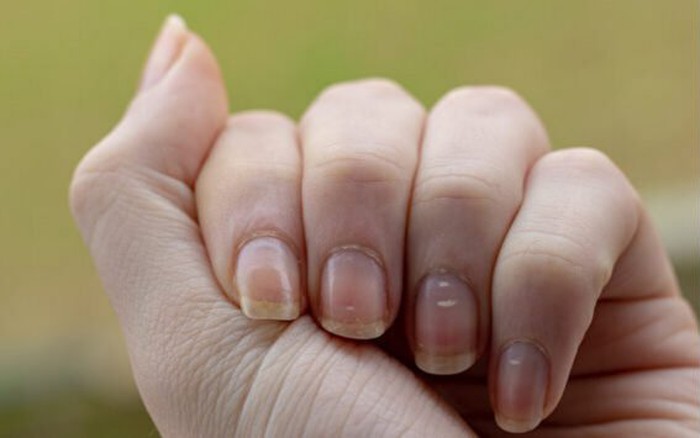
1. Pale or White Nails
Very pale nails may sometimes be associated with:
- Anemia
- Nutritional deficiencies
- Poor circulation
- Liver problems
When the nail bed loses healthy pink coloration, oxygen delivery or blood supply may be affected.
Some people naturally have lighter nails, but sudden changes deserve attention.
Anemia and Nail Changes
Iron-deficiency anemia may reduce oxygen delivery throughout the body.
Possible symptoms include:
- Fatigue
- Weakness
- Dizziness
- Pale nail beds
Nails may also become:
- Thin
- Brittle
- Spoon-shaped in severe cases
2. Yellow Nails
Yellow nails are commonly associated with:
- Fungal infections
- Smoking
- Nail polish staining
- Aging
In some cases, persistent yellow nails may also be linked to:
- Diabetes
- Lung disease
- Lymphatic disorders
Thickened yellow nails should be medically evaluated if persistent.
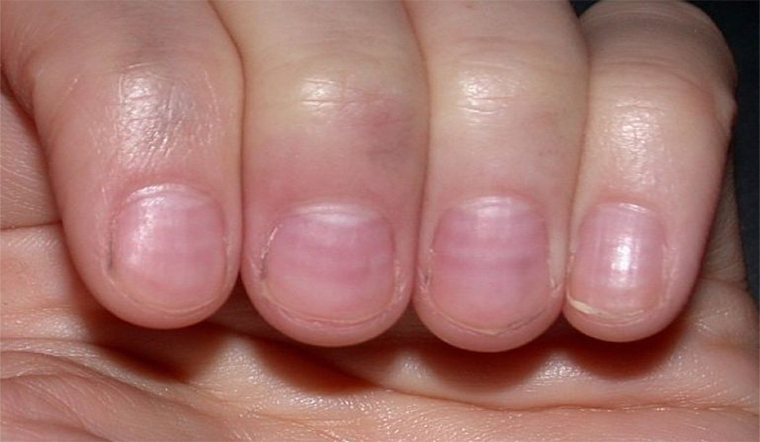
3. Bluish Nails
Blue or purple nail coloration may indicate reduced oxygen levels in the blood.
Possible causes may include:
- Poor circulation
- Lung disease
- Heart problems
- Cold exposure
Bluish nails accompanied by breathing problems or chest symptoms require urgent medical attention.

4. Brittle or Cracked Nails
Dry, brittle nails are extremely common.
Possible causes include:
- Frequent hand washing
- Aging
- Nutritional deficiencies
- Thyroid disorders
- Chemical exposure
Repeated exposure to water and cleaning products may weaken nails over time.
Persistent severe brittleness may warrant medical evaluation.
5. Spoon-Shaped Nails
Spoon-shaped nails curve upward instead of downward.
This condition is called:
- Koilonychia
Possible associations include:
- Iron deficiency
- Anemia
- Nutritional problems
Spoon nails may develop gradually over time.
6. Dark Lines Under the Nails
Dark streaks or lines under nails may sometimes result from:
- Injury
- Pigment changes
- Bleeding under the nail
However, in rare cases, dark lines may require evaluation for serious conditions such as melanoma.
New or changing dark streaks should not be ignored.
7. Clubbing of the Fingertips
Clubbing occurs when fingertips enlarge and nails curve downward more prominently.
This may sometimes be associated with:
- Chronic lung disease
- Heart disease
- Digestive disorders
Clubbing usually develops gradually over time.
It reflects long-term changes in oxygen delivery and circulation.
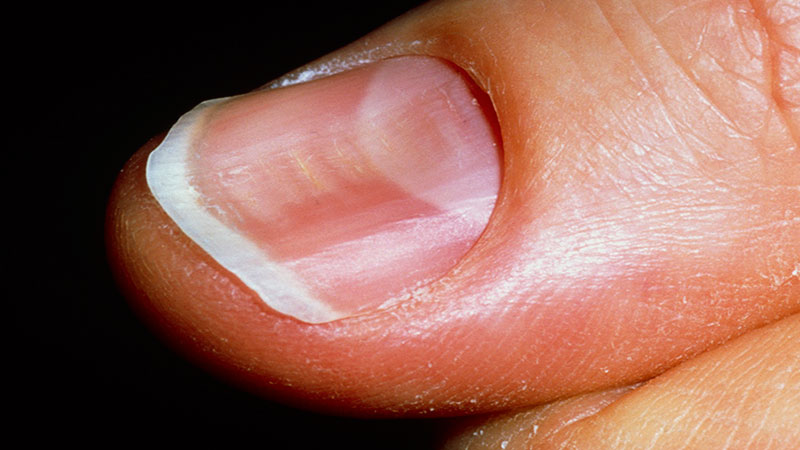
8. Horizontal Lines Across the Nails
Deep horizontal grooves across nails are called:
- Beau’s lines
They may occur after:
- Severe illness
- High fever
- Major stress
- Nutritional deficiency
- Serious infection
These lines may temporarily interrupt nail growth.
9. Pitting or Small Dents
Tiny pits or dents in the nail surface may sometimes occur with:
- Psoriasis
- Eczema
- Autoimmune conditions
The nail surface may appear rough or uneven.
Skin conditions frequently affect nail health as well.
10. Thickened Nails
Thick nails may result from:
- Fungal infection
- Aging
- Trauma
- Circulation problems
Toenails are especially prone to thickening over time.
Persistent thickening with discoloration should be evaluated.
11. Nails Separating From the Nail Bed
When nails begin lifting away from the skin underneath, the condition is called:
- Onycholysis
Possible causes include:
- Trauma
- Thyroid disease
- Fungal infection
- Psoriasis
Detached nails may become more vulnerable to infection.
12. Red or Brown Spots Under the Nails
Small spots under the nails may sometimes reflect:
- Minor bleeding
- Injury
- Blood vessel problems
Repeated unexplained spots should be medically evaluated.
Nutrition and Nail Health
Nails require adequate nutrients for healthy growth.
Important nutrients include:
- Iron
- Protein
- Zinc
- Biotin
- Vitamin B12
Poor nutrition may contribute to:
- Weak nails
- Slow growth
- Brittle texture
Balanced diets support overall nail health.
Hydration and Nail Condition
Dry nails may become more fragile.
Hydration supports:
- Skin health
- Nail flexibility
- Tissue function
Excessive dryness may worsen splitting and cracking.
How Aging Affects Nails
Nail changes naturally occur with age.
Older adults may notice:
- Slower growth
- Increased ridges
- Thickening
- Brittleness
Not every nail change signals disease.
Nail Infections
Fungal infections are among the most common nail problems.
Possible signs include:
- Thickening
- Yellowing
- Crumbling
- Distorted shape
Toenails are affected more commonly than fingernails.
The Importance of Nail Hygiene
Healthy nail habits include:
- Keeping nails clean
- Trimming properly
- Avoiding excessive biting
- Moisturizing hands
- Limiting harsh chemical exposure
Simple care habits may reduce nail damage and infection risk.
Artificial Nails and Nail Health
Frequent use of:
- Acrylic nails
- Gel manicures
- Harsh removers
may weaken natural nails over time.
Excessive cosmetic treatments may contribute to:
- Brittleness
- Thinning
- Separation
Giving nails recovery time may help maintain healthier nail structure.
When Nail Changes Need Medical Attention
Medical evaluation may be important if nail changes:
- Appear suddenly
- Persist
- Worsen over time
- Affect multiple nails
- Occur with other symptoms
Especially concerning signs include:
- Blue nails
- Dark streaks
- Severe thickening
- Clubbing
- Painful swelling
The Connection Between Circulation and Nails
Healthy blood flow is essential for nail growth.
Circulation problems may reduce:
- Oxygen delivery
- Nutrient supply
- Tissue repair
This is why some cardiovascular or lung conditions may affect nail appearance.
Stress and Nail Changes
Severe physical or emotional stress may temporarily affect nail growth.
Stress-related changes may include:
- Ridges
- Brittleness
- Habit-related damage such as nail biting
The body often reflects stress in subtle physical ways.
The Importance of Overall Health Monitoring
Nails are only one small part of overall health assessment.
Doctors consider:
- Symptoms
- Medical history
- Physical exams
- Blood tests
before identifying possible causes.
Nail changes should be viewed as clues rather than diagnoses.
Final Thoughts
Nails may sometimes provide visible clues about circulation, nutrition, metabolism, infections, or underlying health conditions. Changes such as discoloration, brittleness, thickening, spoon shapes, ridges, or clubbing may occasionally reflect issues occurring elsewhere in the body.
While many nail changes are harmless or temporary, persistent or unusual symptoms should not be ignored - especially when combined with fatigue, breathing problems, pain, or other health concerns.
Paying attention to nail health, maintaining healthy habits, and seeking medical advice when necessary may help support both overall wellness and early detection of potential health problems.