
Chil.dren whose parents have specific blo.od types may tend to have higher IQs, according to some studies
Certain parental blood types have been linked to higher IQ levels in chil.dren
In reality, blocked or narrowed arteries often show their earliest warning signs in the legs and feet, especially at night. These symptoms are frequently ignored or mistaken for fatigue, aging, or muscle pain — a mistake that can have serious consequences.
Doctors warn that nighttime symptoms in the lower limbs may indicate peripheral artery disease (PAD), a condition closely linked to heart attacks and strokes.
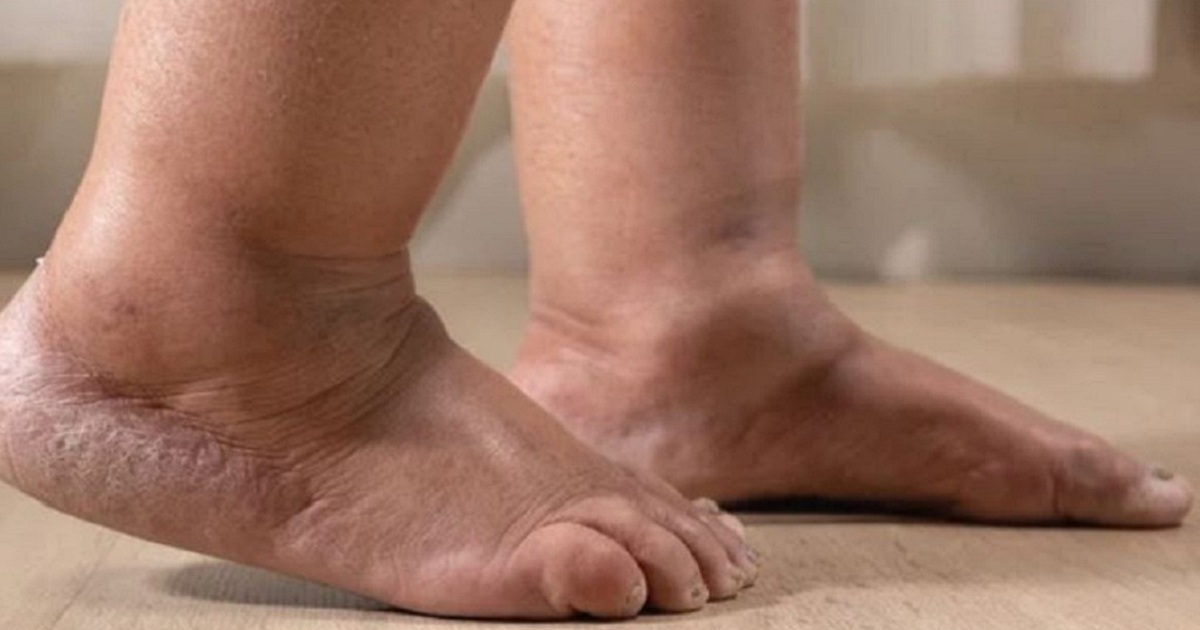
When people talk about “heart blockage in the legs,” they are usually referring to poor blood flow caused by narrowed or blocked arteries. Fatty deposits (plaque) build up inside blood vessels, reducing oxygen delivery to muscles and tissues.
This condition does not happen suddenly. It develops slowly — and the body often sends signals at night when circulation is weakest.
At night:
Blood pressure naturally drops
The body is at rest
Gravity no longer helps blood flow to the legs
As a result, reduced circulation becomes more noticeable, causing pain, discomfort, and unusual sensations that may wake people from sleep.
One of the most common signs is deep aching, cramping, or burning pain in the calves, thighs, or feet that appears during rest or sleep.
This pain may:
Wake you up at night
Improve when you sit up or hang your legs down
Return when you lie flat again
This pattern is a classic warning sign of poor circulation.
If your feet feel unusually cold at night, even under blankets, it may indicate reduced blood flow. One leg or foot may feel colder than the other — an important red flag.
Many people report pins-and-needles, numbness, or a “dead” feeling in the feet or toes at night. These sensations occur when nerves do not receive enough oxygen-rich blood.
Blocked circulation can cause the skin to appear:
Pale or bluish
Shiny or thin
Darker in patches
These changes may be more visible when lying down or upon waking.

Poor blood flow means wounds heal slowly. Small cuts, cracks, or sores on the feet that take weeks to heal — or do not heal at all — are a serious warning sign.
Unlike typical restless leg syndrome, circulation-related restlessness is often accompanied by pain, pressure, or burning, not just an urge to move.
Movement may temporarily relieve symptoms because it increases blood flow.
Doctors often check pulses on the feet and ankles. A weak or difficult-to-find pulse may indicate significant arterial blockage.
You may be at higher risk if you:
Smoke or used to smoke
Have diabetes
Have high blood pressure or high cholesterol
Are overweight
Live a sedentary lifestyle
Have a family history of heart disease
PAD is strongly linked to heart attack and stroke risk, making early detection critical.

Certain parental blood types have been linked to higher IQ levels in chil.dren

New Study Finds Online Therapy Can Ease the Misery of Tinnitus

Wives’ bre.ast can.cer risk may be influenced by their husbands’ unhealthy habits

Forget Weight-Loss Jabs—Researchers Say Python Blood Could Help Control Appetite

10 smart dietary choices to protect ovarian health and support female fertility

Understanding back-of-head pain: 5 causes and practical treatments

One Type of Alcohol Could Lower Your Risk of Dying Young by 25%, Study Suggests

A 26-Year-Old Woman Diagnosed With Gynecological Cancer — A Heartbroken Mother Says: “I Kept Telling Her to Quit That Habit, but She Never Listened”


Abdominal discomfort is extremely common, and most of the time it’s nothing more than temporary irritation, stress, or something you ate that didn’t vibe well with your digestive system.

Kidneys play a vital role in keeping the body healthy. They filter waste from the blood, regulate fluid balance, control blood pressure, and support overall metabolic function.

Hay Fever Season Is Here—5 Effective Defenses to Try Now, From Medication to Natural Hacks

6 Foods That May Still Be Safe After the Expiration Date — Avoid Unnecessary Waste

Stomach cancer is often called a “silent killer” because its early symptoms are easy to ignore or confuse with common digestive problems.

Noticed a lump on your neck, back, or behind your ear? It might be your body asking for a little attention

We spend up to 90% of our time indoors — at home, at work, or in schools.

Vegetables are essential for good health and are strongly associated with a lower risk of many chronic diseases, including cancer.

Boiled eggs are widely considered a healthy, convenient, and affordable source of protein.

Diabetes is a health condition characterized by high blood sugar levels.

6 smart tricks your phone’s side buttons can perform besides volume control

Certain parental blood types have been linked to higher IQ levels in chil.dren

New Study Finds Online Therapy Can Ease the Misery of Tinnitus

Wives’ bre.ast can.cer risk may be influenced by their husbands’ unhealthy habits

Forget Weight-Loss Jabs—Researchers Say Python Blood Could Help Control Appetite

10 smart dietary choices to protect ovarian health and support female fertility

Understanding back-of-head pain: 5 causes and practical treatments

One Type of Alcohol Could Lower Your Risk of Dying Young by 25%, Study Suggests

A 26-Year-Old Woman Diagnosed With Gynecological Cancer — A Heartbroken Mother Says: “I Kept Telling Her to Quit That Habit, but She Never Listened”


Abdominal discomfort is extremely common, and most of the time it’s nothing more than temporary irritation, stress, or something you ate that didn’t vibe well with your digestive system.

Want better health? Here are the 3 best times to drink coconut water—and who should enjoy it daily

Kidneys play a vital role in keeping the body healthy. They filter waste from the blood, regulate fluid balance, control blood pressure, and support overall metabolic function.

Hay Fever Season Is Here—5 Effective Defenses to Try Now, From Medication to Natural Hacks

6 Foods That May Still Be Safe After the Expiration Date — Avoid Unnecessary Waste

Stomach cancer is often called a “silent killer” because its early symptoms are easy to ignore or confuse with common digestive problems.

Noticed a lump on your neck, back, or behind your ear? It might be your body asking for a little attention

We spend up to 90% of our time indoors — at home, at work, or in schools.

Vegetables are essential for good health and are strongly associated with a lower risk of many chronic diseases, including cancer.