Chapter 1: The Ground Suddenly Gave Way
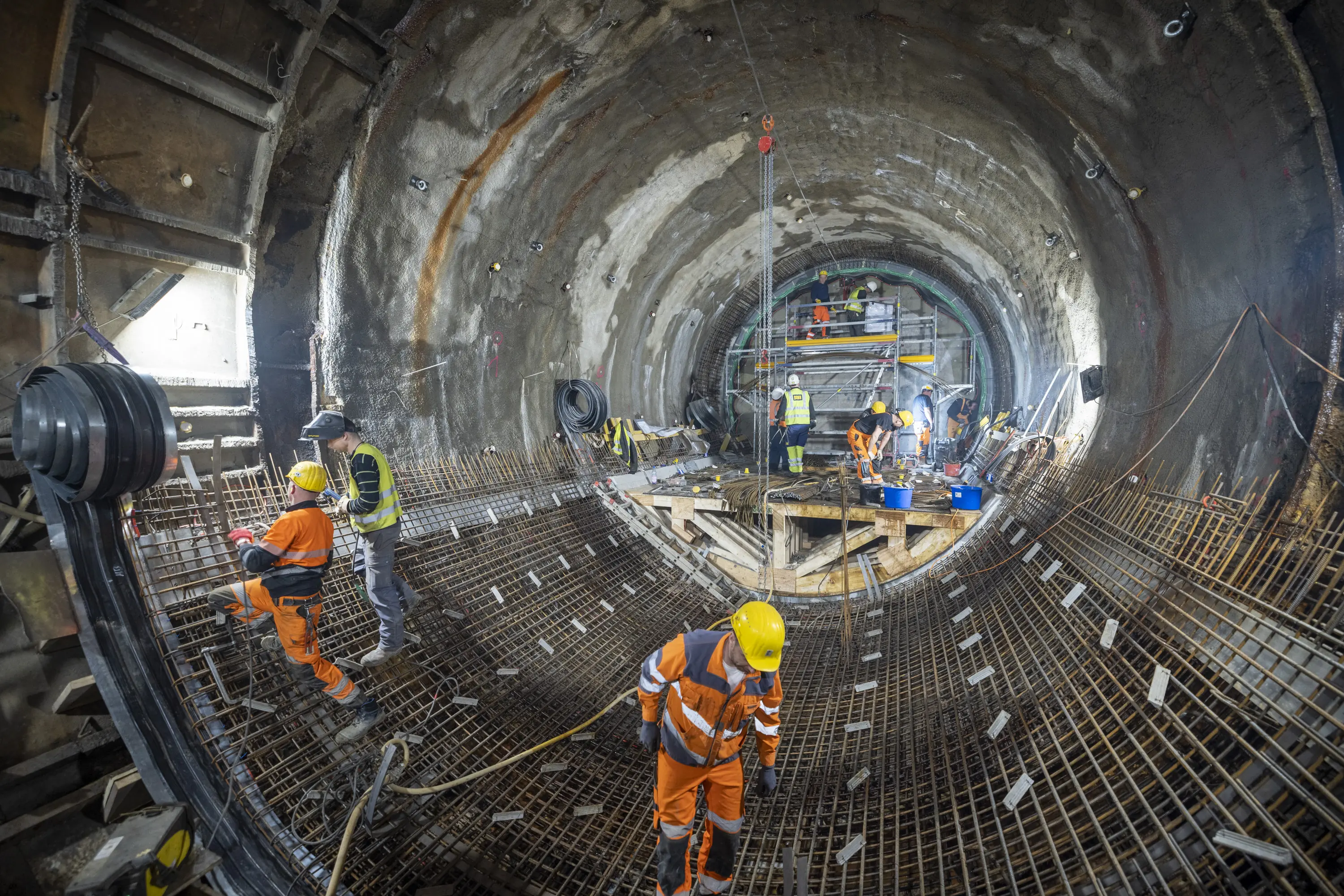
A major underground construction project is designed to transform how people travel through a city. Beneath busy streets, engineers and construction workers dig tunnels, reinforce the surrounding ground, install support structures, and prepare the foundations for future stations. Most of this work takes place out of public view.
But when the ground becomes unstable, the consequences can reach far beyond the construction site.
That danger became painfully clear on April 11, 2025, when an underground tunnel construction site for South Korea's Sinansan Line collapsed in Gwangmyeong, a city southwest of Seoul. The collapse caused part of the road above the tunnel to cave in and damaged nearby buildings. Two workers were trapped underground, triggering an emergency response involving firefighters, rescue specialists, police, and other authorities.
The incident was especially concerning because warning signs had reportedly appeared before the collapse.
According to Yonhap, cracks had been discovered in several pillars supporting the underground tunnel structure. Authorities had been alerted to the potential danger, and the site had been evacuated earlier in the day. Workers and officials were conducting safety inspections when the collapse occurred.
The accident happened at approximately 3:13 p.m. local time. Seventeen workers had been at the site, and five people involved in an above-ground safety inspection were initially unreachable. Three were subsequently confirmed safe. Another worker was believed to be trapped underground, while an excavator operator was also missing.
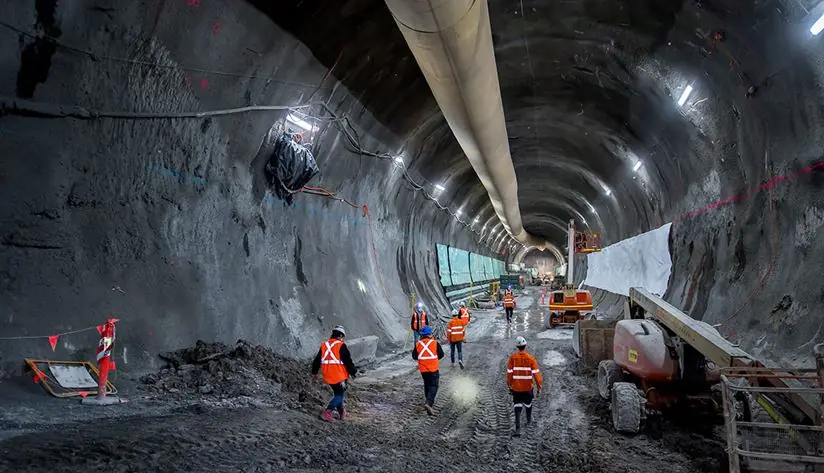
The collapse did not remain confined to the underground construction area. The road above the tunnel also fell inward, creating a dangerous opening in an area where traffic and nearby buildings could have been exposed to further ground movement.
For emergency personnel, the first priority was not simply to reach the missing workers. It was to determine whether the surrounding structure could support the weight of rescuers, machinery, and additional equipment.
A second collapse could have turned an already serious accident into an even larger disaster.
This is one of the most difficult aspects of underground rescue operations. Unlike an accident in an open area, rescuers cannot always approach the victim directly. They may have to work through narrow passages, unstable soil, damaged concrete, and potentially hazardous underground conditions.
Every movement must be considered carefully.
The workers trapped beneath the collapsed structure were not simply waiting for someone to dig them out. Their chances of survival could depend on the stability of the surrounding debris, the availability of breathable air, their injuries, and how quickly rescuers could establish a safe route.
The incident also raised a wider question about infrastructure safety: how can construction teams recognize when an underground structure is approaching failure, and what must happen when warning signs appear?
For the families of the workers, those questions became painfully immediate. What had begun as an ordinary working day had become an emergency in which every hour mattered.
Chapter 2: A Race Against Time Beneath the Surface
When a construction tunnel collapses, rescue teams face a very different challenge from rescuing someone trapped in a conventional building.
Underground structures can contain heavy machinery, concrete slabs, steel supports, electrical cables, ventilation equipment, and unstable layers of soil. A collapse may also block the passages that workers normally use to enter and leave the site.
The first task is to establish what remains stable.
Rescue commanders must understand the shape of the collapsed area, identify potential access routes, and determine whether further movement of the surrounding ground could endanger both victims and rescuers.
In the Gwangmyeong incident, the emergency response involved specialized rescue personnel from the Gyeonggi Fire and Disaster Headquarters. Officials faced difficult conditions, including concerns about a possible gas leak near the trapped worker. Authorities suspected a nearby gas pipeline could be involved and requested that the supply be shut off.
Gas is a serious concern in underground emergencies because some gases can be toxic, flammable, or capable of displacing oxygen. A confined space can become dangerous even when there is no visible fire or smoke.
Before sending personnel deeper into the site, rescue teams may need to assess the atmosphere, monitor oxygen levels, check for hazardous gases, and ensure that equipment is suitable for the conditions.
Communication is another essential part of the operation.
In the Gwangmyeong collapse, the excavator operator was able to contact rescuers by phone after becoming trapped. Rescue personnel later managed to communicate with him by voice. That contact provided important information about his condition and helped responders narrow their search.
However, locating a trapped person is only the beginning.
A victim may be pinned beneath heavy debris, surrounded by unstable material, or unable to move because of injuries. Removing the material too quickly can cause additional movement and create further pressure on the person.
Rescuers must therefore balance two competing priorities: reaching the victim as quickly as possible and preventing another collapse.