Lymph nodes are small, bean-shaped structures that form an important part of the immune system. They help filter lymphatic fluid, trap harmful substances, and support the body's defense against infections. When the immune system becomes active, lymph nodes may temporarily enlarge as immune cells multiply and work to respond to a potential threat.
In many cases, swollen lymph nodes are harmless and gradually return to their normal size after the underlying infection or inflammation improves. However, not every swollen lymph node should automatically be ignored, particularly when it persists, grows, feels unusually firm, or appears alongside other unexplained symptoms.
Understanding why lymph nodes become swollen, where swelling commonly occurs, and which warning signs require medical evaluation can help you make informed decisions about your health without unnecessary panic.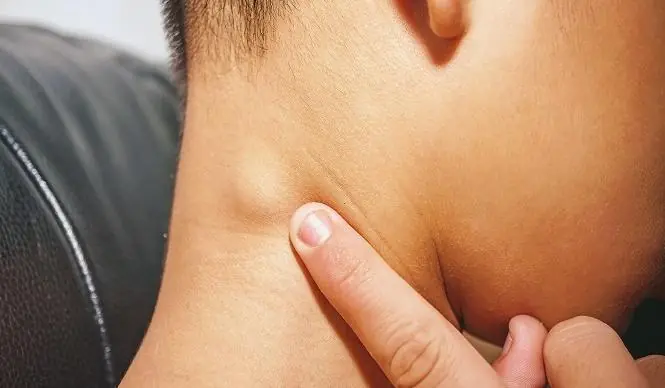
What Are Lymph Nodes and Why Are They Important?
Lymph nodes are small structures distributed throughout the lymphatic system, a network of vessels, tissues, and organs that plays an essential role in immune defense and fluid balance.
The lymphatic system collects excess fluid from tissues and transports it through lymphatic vessels. This fluid, called lymph, contains water, proteins, waste products, immune cells, and sometimes microorganisms or other substances that the body needs to recognize and remove.
As lymph travels through the lymphatic system, it passes through lymph nodes. These structures act as biological filtering stations. Inside them are specialized immune cells, including lymphocytes, macrophages, and other cells that help recognize and respond to foreign substances.
When the body detects an infection or another immune trigger, lymph nodes may become more active. Immune cells may multiply, inflammatory activity may increase, and the node may become larger than usual.
This enlargement is commonly referred to as lymphadenopathy.
Although lymph nodes are normally small and may not be noticeable, some can be felt beneath the skin, particularly in areas such as the neck, armpits, and groin. When they enlarge, they may become more obvious during bathing, shaving, dressing, or simply touching the area.
The presence of a swollen lymph node does not necessarily mean that something dangerous is happening. In fact, enlargement is often a sign that the immune system is doing its job.
Why Do Lymph Nodes Become Swollen?
The most common reason lymph nodes become enlarged is that the immune system is responding to an infection.
When bacteria, viruses, or other microorganisms enter the body, immune cells recognize them and begin coordinating a response. Lymph nodes located near the affected area may become particularly active because they receive lymphatic fluid carrying immune signals and potentially harmful substances.
As immune cells increase in number and inflammation develops, the lymph node may become larger and sometimes tender.
This is why people frequently notice swollen lymph nodes during or shortly after illnesses such as colds, sore throats, ear infections, dental infections, or certain skin infections.
However, infections are not the only possible cause. Inflammation, autoimmune disorders, medication reactions, and certain cancers can also affect lymph nodes.
The underlying cause often depends on the location of the swelling, how long it has been present, whether it is painful, whether other symptoms occur, and the person's medical history.
1. A Common Infection May Be Triggering Your Immune System
One of the most frequent explanations for swollen lymph nodes is an ordinary infection.
When the body encounters an infectious organism, immune cells become activated and may gather within nearby lymph nodes. This immune response can cause the nodes to enlarge temporarily.
For example, a person who develops a sore throat may notice swelling beneath the jaw or along the sides of the neck. Someone with an infected cut on the hand may notice a swollen lymph node in the armpit. A skin infection on the leg may sometimes cause enlargement of lymph nodes in the groin.
The swelling may be accompanied by tenderness, warmth, or mild discomfort.
Common infections associated with swollen lymph nodes include:
-
Common colds and other respiratory infections
-
Influenza
-
COVID-19
-
Tonsillitis
-
Strep throat
-
Ear infections
-
Dental infections
-
Certain skin infections
-
Some viral infections that affect multiple parts of the body
In many cases, the lymph nodes gradually become smaller as the infection resolves. However, the process may take longer than the other symptoms of the illness.
A lymph node may remain slightly enlarged for several weeks after an infection has improved. This does not automatically indicate a serious condition, but persistent or progressive enlargement should be evaluated.
2. Your Body May Be Responding to a Viral Illness
Viral infections are particularly common causes of lymph node enlargement.
Viruses can stimulate immune activity throughout the body, sometimes causing multiple lymph nodes to become swollen rather than affecting only one localized area.
A person with a viral illness may experience swollen lymph nodes alongside fatigue, fever, sore throat, body aches, headaches, or general discomfort.