Certain viral infections may cause more noticeable or prolonged lymph node swelling. For example, infectious mononucleosis, commonly associated with Epstein-Barr virus, can cause enlarged lymph nodes, particularly in the neck, along with significant fatigue, fever, and sore throat.
Other viral illnesses can also cause lymphadenopathy.
The pattern of swelling may provide useful information. A single swollen node near an obvious infection may suggest a localized immune response, while swelling in several regions may indicate a more widespread process.
However, the pattern alone cannot establish a diagnosis. A healthcare professional may need to examine the affected areas and consider additional symptoms or testing.
3. A Dental or Oral Problem Could Be the Cause
People sometimes overlook dental problems when they notice swollen lymph nodes.
Infections affecting the teeth, gums, mouth, or jaw can trigger enlargement of nearby lymph nodes. This may occur when bacteria enter tissues surrounding a tooth or when inflammation develops in the gums.
Possible dental causes include:
-
Tooth abscesses
-
Gum infections
-
Severe tooth decay
-
Inflammation around wisdom teeth
-
Certain oral infections
-
Injuries inside the mouth
A person may notice swelling beneath the jaw, tenderness along the neck, or discomfort when chewing.
Dental infections can sometimes become serious if they spread beyond the original area. Symptoms such as severe tooth pain, facial swelling, fever, difficulty swallowing, or difficulty breathing require prompt medical or dental attention.
If swollen lymph nodes occur alongside persistent tooth pain, gum swelling, or an unpleasant taste in the mouth, a dental examination may help identify the underlying cause.
Treating the source of the infection is generally more important than trying to reduce the lymph node swelling itself.
4. Skin Infections and Injuries May Cause Nearby Nodes to Enlarge
The skin acts as an important protective barrier against microorganisms. When it becomes damaged or infected, the immune system may respond by activating lymph nodes that drain the affected region.
A small wound, insect bite, infected hair follicle, or skin abscess can sometimes trigger nearby lymph node enlargement.
For example, an infection involving the arm may lead to swelling in lymph nodes located in the armpit. An infection involving the lower leg may sometimes affect lymph nodes in the groin.
Signs of a skin infection may include redness, warmth, pain, swelling, drainage, or an area that becomes increasingly tender.
If the infection spreads, a person may also develop fever, chills, or feel generally unwell.
It is important not to assume that a swollen lymph node is harmless simply because the original skin injury appears small. Infections can occasionally spread, and rapidly worsening redness, severe pain, fever, or swelling should be assessed promptly.
5. Swollen Lymph Nodes May Be Related to Inflammation
Not every enlarged lymph node is caused by an infection.
Inflammation can also stimulate immune activity and contribute to lymph node enlargement. Certain autoimmune diseases, in which the immune system mistakenly attacks the body's own tissues, may cause lymphadenopathy.
Examples of autoimmune conditions that can sometimes involve lymph nodes include lupus and rheumatoid arthritis.
In these situations, swollen lymph nodes may occur alongside other symptoms, such as joint pain, prolonged fatigue, skin rashes, muscle discomfort, or unexplained inflammation.
The symptoms vary considerably depending on the condition.
A person experiencing repeated or persistent lymph node swelling without an obvious infection may need medical evaluation to determine whether an inflammatory or autoimmune condition is contributing.
The presence of enlarged lymph nodes alone is not enough to diagnose an autoimmune disease.
6. Certain Medications Can Sometimes Cause Lymph Node Enlargement
Medication reactions are another possible, although less common, cause of lymph node swelling.
Some medications may trigger immune-related reactions that involve lymph nodes. The likelihood depends on the medication, the person's medical history, and the nature of the reaction.
If swollen lymph nodes appear after starting a new medication, particularly when accompanied by a rash, fever, facial swelling, or other unusual symptoms, it is important to contact a healthcare professional.
Do not stop a prescribed medication without discussing it with your doctor unless you are experiencing an emergency reaction that requires immediate care.
Medication-related lymph node swelling is not the most common explanation, but the timing of symptoms may be important during a medical assessment.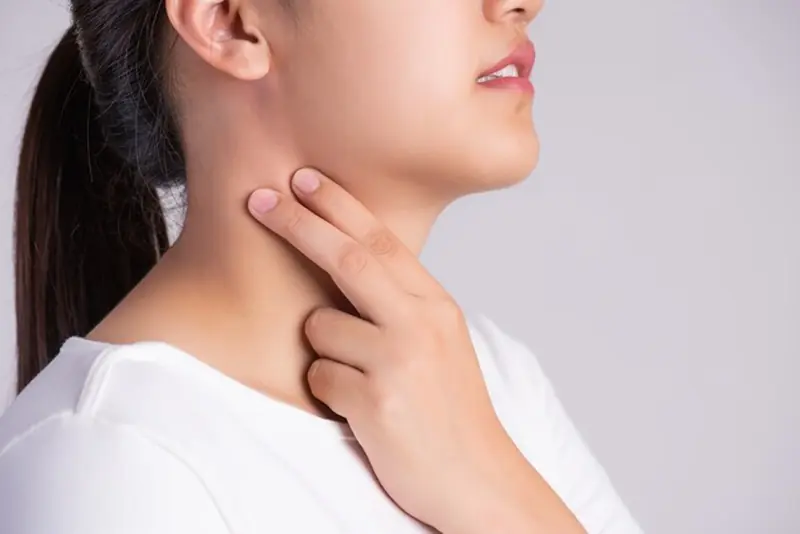
7. Why Swollen Lymph Nodes in the Neck Are So Common
The neck contains numerous lymph nodes that help monitor and respond to infections affecting the head and neck.
These nodes may become enlarged during illnesses involving the throat, nose, ears, mouth, teeth, scalp, or nearby tissues.
A person may notice a lump:
-
Beneath the jaw
-
Along the side of the neck
-
Behind the ear
-
Near the base of the skull
-
In the front of the neck
Neck lymph nodes commonly become swollen during respiratory infections. They may feel tender when touched and can sometimes move slightly beneath the skin.
The swelling may decrease gradually after the infection improves.
However, a neck lump that persists, becomes progressively larger, feels unusually hard or fixed, or appears without an obvious explanation should be examined by a healthcare professional.
Not every lump in the neck is a lymph node. Other structures, including cysts, salivary glands, thyroid tissue, and various soft-tissue abnormalities, can also produce lumps.
This is one reason self-diagnosis based only on touch can be unreliable.
8. Swelling Beneath the Jaw May Point to an Infection Nearby
Lymph nodes beneath the jaw are often involved when infections affect the mouth, teeth, gums, or throat.