What is Ganglion?
A ganglion is a noncancerous, fluid-filled lump or cyst typically forming near the joints or tendons in the hands or wrists. These cysts can vary in size and may or may not cause pain. Ganglions are the most common soft tissue lump found in the hand and wrist.
Type of Ganglion
Ganglions can be categorised into two main types:
- Dorsal Ganglion: These ganglions appear on the back of the wrist and can be connected to a joint or tendon.
- Volar Ganglion: These ganglions form on the palm side of the wrist and are often associated with specific tendons.
How Common is Ganglion?
Ganglions are common and often seen in individuals with repetitive hand or wrist movements. They can affect people of various ages and backgrounds, although they are more prevalent among young adults. The exact prevalence can vary depending on occupation, activities, and individual susceptibility.
Causes of Ganglion
The exact cause of ganglion cysts is not always clear, but they are often linked to the following factors:
- Joint or Tendon Irritation: Irritation of the joint or tendon near the cyst site can lead to ganglion formation.
- Repetitive Movements: Engaging in repetitive hand or wrist movements, especially those that strain the joint or tendon, can contribute to ganglion development.
- Joint or Tendon Injury: A prior injury to the joint or tendon may trigger the formation of a ganglion.
- Fluid Accumulation: Ganglions are filled with synovial fluid, the lubricating fluid found in joints. The exact reason for fluid accumulation is not always clear.
Symptoms of Ganglion
If you have a ganglion, you may experience the following symptoms:
- Lump or Bump: The most noticeable symptom is a visible and often palpable lump or bump, typically near a joint or tendon in the hand or wrist.
- Pain or Discomfort: Some ganglions may be painful, especially if they press on nearby nerves or cause joint irritation.
- Limited Range of Motion: In some cases, ganglions can restrict joint movement or cause stiffness.
- Changes in Size: Ganglion cysts may change over time, sometimes getting larger or smaller.
- Pressure Sensation: A sensation of pressure or fullness in the affected area may be felt, especially when using the hand or wrist.
Diagnosis of Ganglion
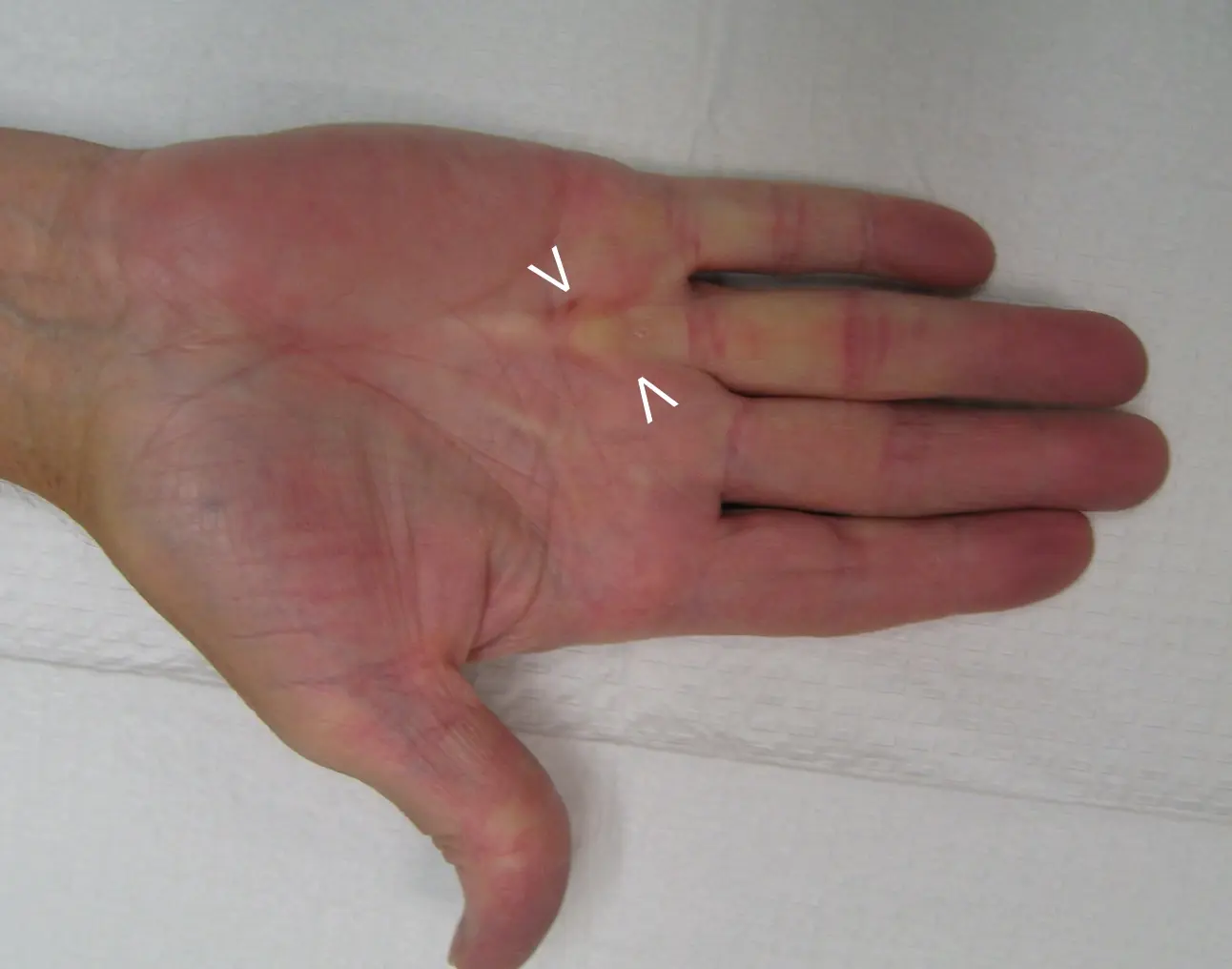
Diagnosing a ganglion cyst typically involves the following steps:
Medical History
Your orthopaedic specialist will ask about your symptoms, including when you first noticed the lump and whether it causes pain or discomfort.
Physical Examination
The doctor will examine the lump, checking its size, location, and how it feels when touched.
Transillumination
Sometimes, a small flashlight (transilluminator) may shine light through the cyst, helping confirm it is a ganglion.
Imaging
In some situations, imaging tests like ultrasound or MRI may be ordered to visualise the cyst’s structure and rule out other conditions.