Brown Rice
Contains more natural oils.
Typically has a shorter shelf life than white rice.
Specialty Rice Varieties
Storage duration may vary depending on processing and moisture content.
Always inspect rice before use if it has been stored for extended periods.
Common Rice Storage Mistakes
Leaving Rice Unsealed
Allows moisture and pests to enter.
Storing Near Heat Sources
Can shorten shelf life.
Ignoring Humidity
High humidity encourages mold growth.
Using Dirty Containers
Residue may attract pests.
Buying More Than You Can Store Properly
Large quantities require appropriate storage conditions.
Additional Tips for Long-Term Storage
For households storing large amounts of rice:
- Rotate inventory regularly
- Inspect containers periodically
- Maintain a clean pantry
- Monitor for insects
- Check for signs of moisture
Regular inspections can help identify problems before they become serious.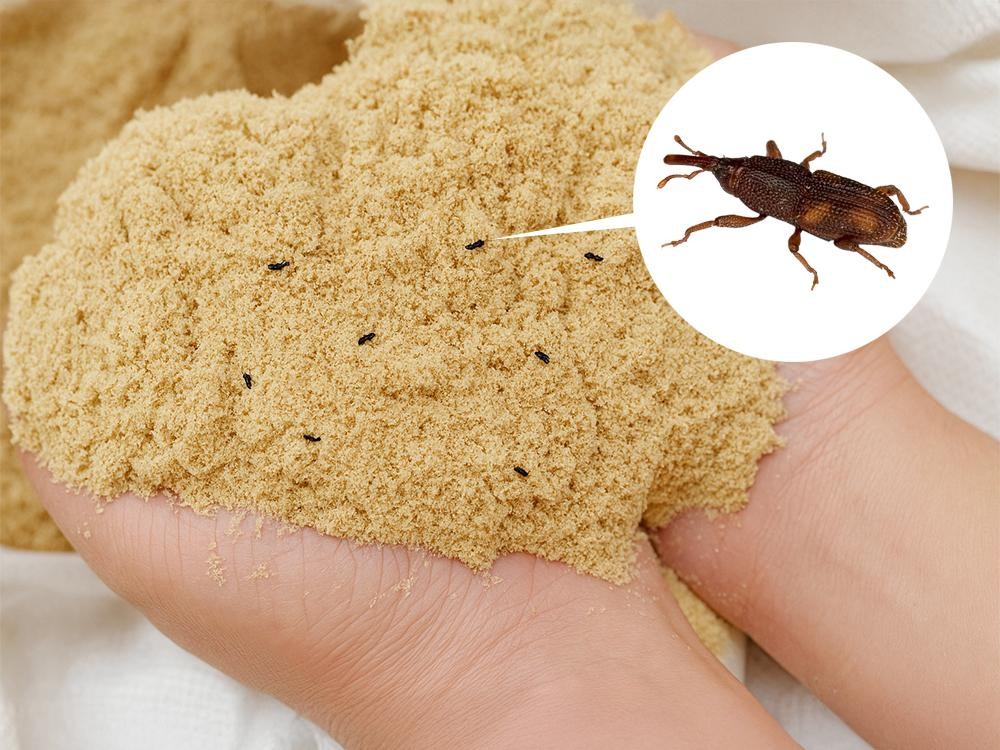
Final Thoughts
Rice is a remarkably durable food, but proper storage is essential for preventing weevils, mold, and spoilage. By using airtight containers, controlling moisture, maintaining cool storage conditions, and inspecting supplies regularly, households can significantly extend the shelf life of their rice.
Simple habits such as freezing newly purchased rice, rotating stock, and keeping storage areas clean can make a major difference. With the right approach, you can keep rice fresh, safe, and ready to use whenever you need it—while avoiding the frustration of discovering pests or spoilage in your pantry.