
Health 07/07/2026 21:24
The body rarely goes silent before the end — these 6 warning signs may appear up to a year in advance
The body rarely goes silent before the end — these 6 warning signs may appear up to a year in advance
⚠️ One Year Before Death: Does the Body Really Show Six Warning Signs?


 6
6
Can the Human Body Predict Death a Year in Advance?
Social media is filled with dramatic claims suggesting that the human body gives six unmistakable warning signs one year before death. Images like the one above often show symptoms such as unexplained bruising, wrinkled fingers, or an elderly person lying in a hospital bed to imply that death can be predicted long before it happens.
While it is true that serious illnesses often cause physical changes over time, there is no scientific evidence that every person experiences six specific warning signs exactly one year before death. The human body is incredibly complex, and the progression toward the end of life varies greatly depending on age, overall health, genetics, lifestyle, and the underlying medical condition.
Instead of viewing these signs as certain predictions of death, it is more accurate to think of them as possible indicators of health problems that deserve medical attention. Early recognition and timely treatment can often improve quality of life and, in many cases, significantly extend it.
Understanding the Difference Between Aging and Serious Illness
As people grow older, the body naturally changes.
Normal aging may include:
- Thinner skin
- Reduced muscle strength
- Slower healing
- Lower energy levels
- Changes in sleep patterns
These changes do not automatically mean that death is approaching.
However, when several new symptoms appear together—especially if they develop rapidly—they may indicate an underlying disease requiring medical evaluation.
1. Unexplained Bruising
One image commonly associated with these claims shows dark purple bruises appearing without obvious injury.
Bruising can happen for many reasons, including:
- Minor bumps that are easily forgotten
- Thinner skin associated with aging
- Blood-thinning medications
- Vitamin deficiencies
- Liver disease
- Blood clotting disorders
- Certain cancers such as leukemia
Occasional bruising is usually not an emergency.
However, large, frequent, or unexplained bruises should always be discussed with a healthcare professional, particularly if they occur alongside bleeding gums, nosebleeds, or severe fatigue.
2. Persistent Fatigue
Feeling tired after a busy day is completely normal.
But fatigue that lasts for weeks or months despite adequate rest may signal conditions such as:
- Heart disease
- Kidney disease
- Chronic infections
- Diabetes
- Thyroid disorders
- Cancer
- Depression
- Anemia
Persistent exhaustion should never be ignored simply because of age.
3. Unintentional Weight Loss
Losing weight without trying is one of the most important warning signs doctors investigate.
Possible causes include:
- Digestive disorders
- Cancer
- Chronic lung disease
- Heart failure
- Hyperthyroidism
- Depression
- Poor nutrition
A significant weight loss over several months deserves medical assessment, especially in older adults.
Medical Checkups Can Detect Problems Early


 6
6
Routine health screenings can identify many conditions long before they become life-threatening. Regular medical care is one of the most effective ways to maintain health and improve outcomes.
4. Swelling of the Legs or Feet
Swollen ankles or legs may result from:
- Standing too long
- Certain medications
- Kidney disease
- Heart failure
- Liver disease
- Poor circulation
Although swelling is common, sudden or severe swelling—particularly when accompanied by shortness of breath or chest pain—requires immediate medical evaluation.
5. Cognitive Changes
Memory problems can occur with normal aging, but sudden or progressive confusion may indicate:
- Dementia
- Stroke
- Infection
- Medication side effects
- Low oxygen levels
- Electrolyte imbalance
Any rapid change in thinking, personality, or awareness should be assessed promptly.
6. Persistent Loss of Appetite
As serious illnesses progress, some individuals experience a reduced desire to eat.
This may occur in conditions such as:
- Advanced heart disease
- Kidney disease
- Cancer
- Neurological disorders
However, temporary appetite changes are also common during infections, stress, or medication use.
Persistent appetite loss leading to malnutrition should always be evaluated.
What About Wrinkled Fingers?
The image also shows wrinkled fingertips.
In most cases, wrinkled fingers occur simply because:
- They have been immersed in water.
- The skin has become dry.
- Natural aging has reduced skin elasticity.
Only in rare situations are wrinkled fingers associated with certain medical conditions, and they are not recognized as a reliable predictor of death.
When Is the Body Truly Approaching the End of Life?
In individuals with advanced terminal illnesses, healthcare professionals may observe changes such as:
- Profound weakness
- Sleeping most of the day
- Minimal interest in eating or drinking
- Difficulty swallowing
- Changes in breathing patterns
- Reduced responsiveness
These signs generally occur during the final days or weeks of life, not necessarily a year beforehand, and they are associated with advanced disease rather than normal aging.
Healthy Habits That Can Improve Longevity
Although no one can prevent aging entirely, many lifestyle choices are strongly associated with better health and a longer life.
Consider these evidence-based habits:
- Eat a balanced diet rich in fruits, vegetables, whole grains, and lean protein.
- Stay physically active with regular exercise appropriate for your age and ability.
- Maintain a healthy weight.
- Avoid smoking and limit alcohol consumption.
- Get sufficient sleep every night.
- Manage chronic conditions such as diabetes and high blood pressure.
- Schedule regular medical checkups and recommended screenings.
- Stay socially connected and maintain good mental health.
These habits cannot guarantee a longer life, but they significantly reduce the risk of many chronic diseases.
The Bottom Line
The claim that "the body always shows six warning signs exactly one year before death" is an oversimplification and is not supported by strong scientific evidence. While symptoms such as unexplained bruising, fatigue, weight loss, swelling, confusion, or loss of appetite can indicate serious health problems, they are not reliable countdown markers for death.
Rather than creating unnecessary fear, these signs should serve as reminders to pay attention to your health. Many medical conditions are far more treatable when detected early, and timely medical care can greatly improve both quality of life and long-term outcomes.
The most effective approach is not trying to predict death but taking care of your health every day through prevention, regular checkups, healthy habits, and prompt medical attention whenever concerning symptoms arise.
Tags:
News in the same category
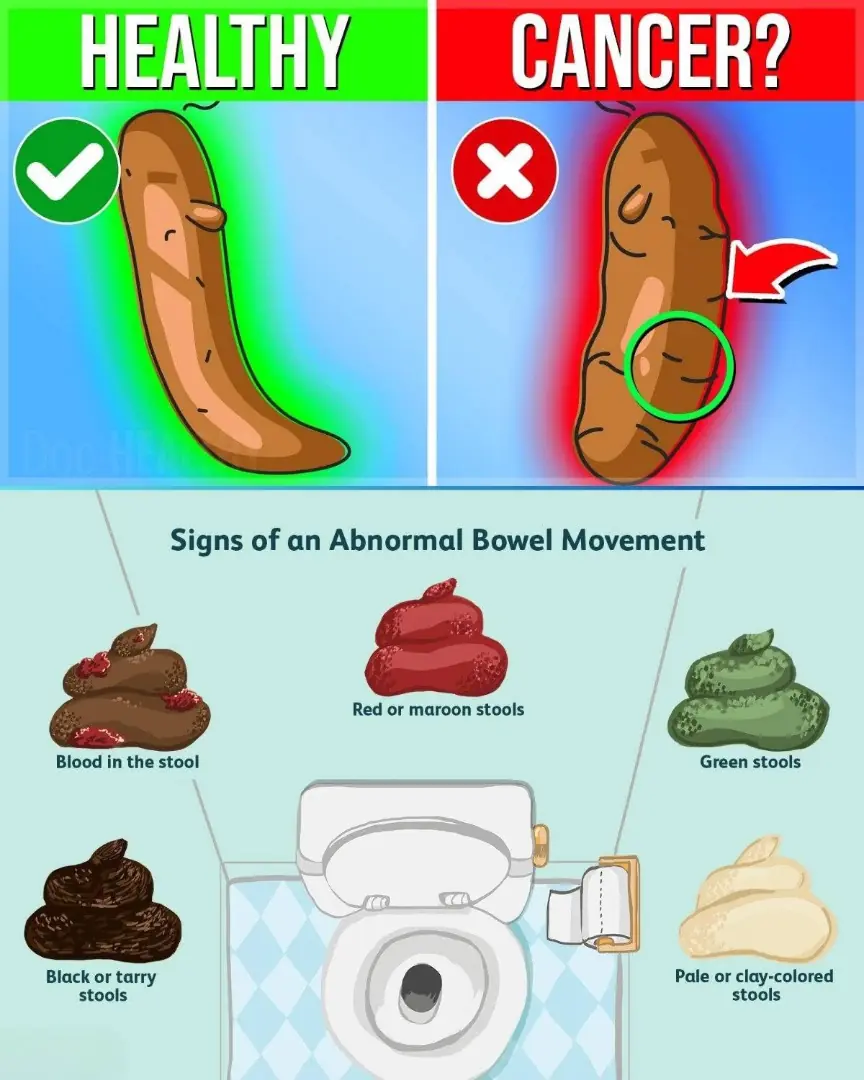
What Your Stool Color Reveals About Your Digestive and Overall Health?
What Your Stool Color Reveals About Your Digestive and Overall Health?
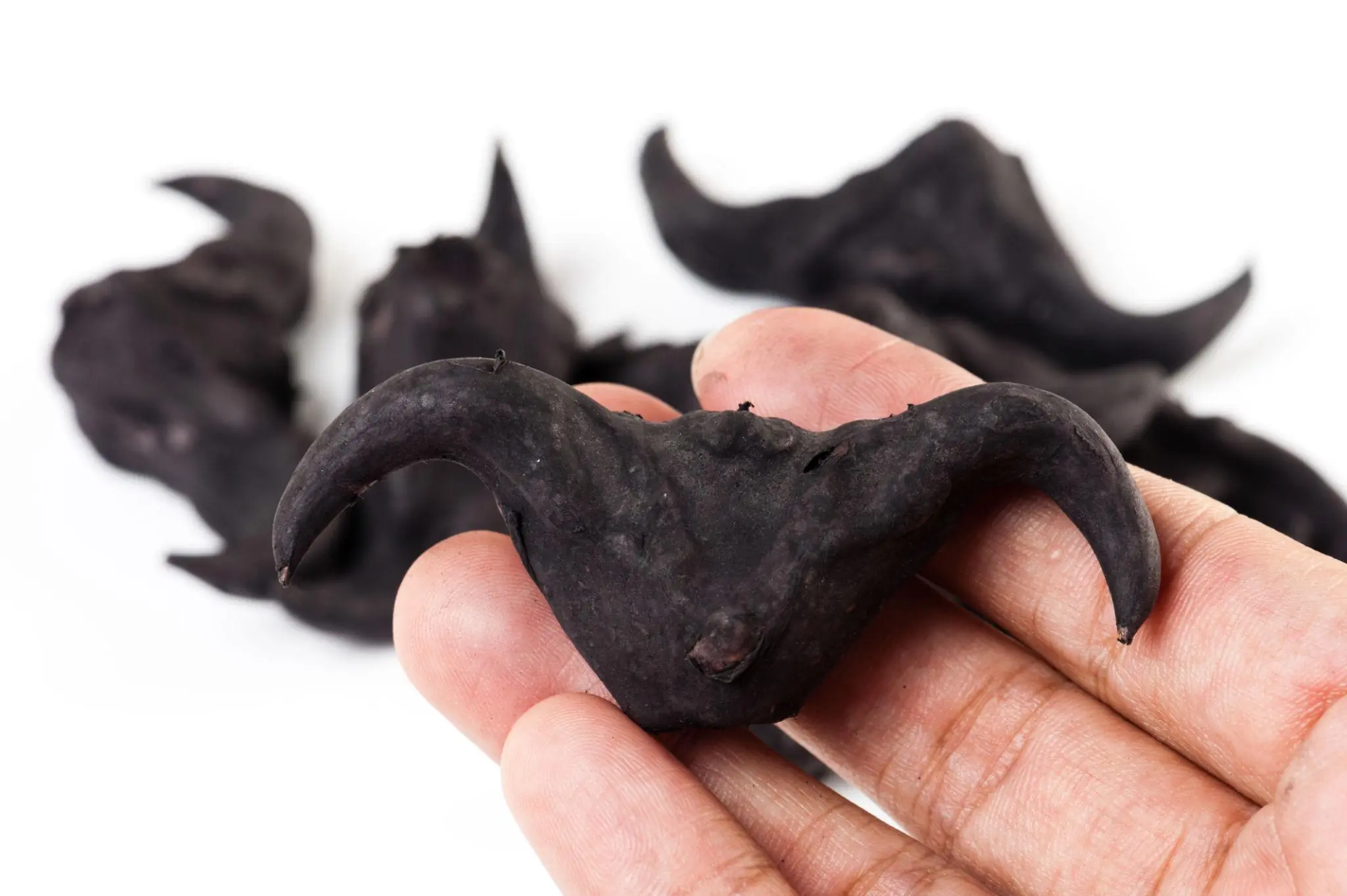
My neighbor gave me a bag of these… anyone know what they are? How do you eat them?
These unusual horn-shaped water caltrops may look intimidating, but they're a traditional food enjoyed in many parts of Asia.
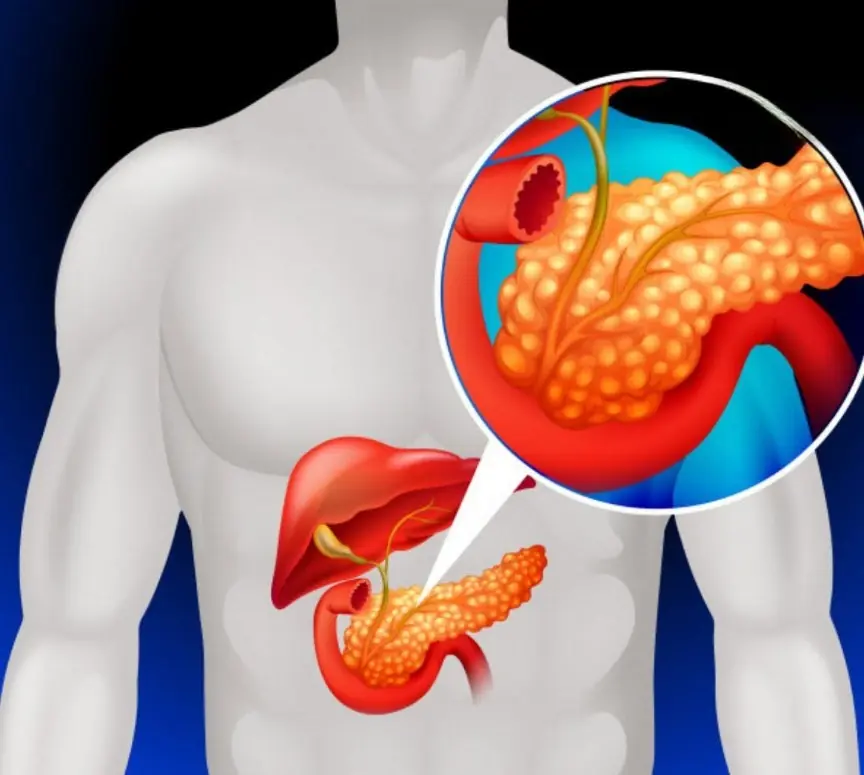
The Early Signs of Pan.creatic Can.cer Everyone Should Know
The Early Signs of Pan.creatic Can.cer Everyone Should Know

Throw This Out Immediately
Throw This Out Immediately
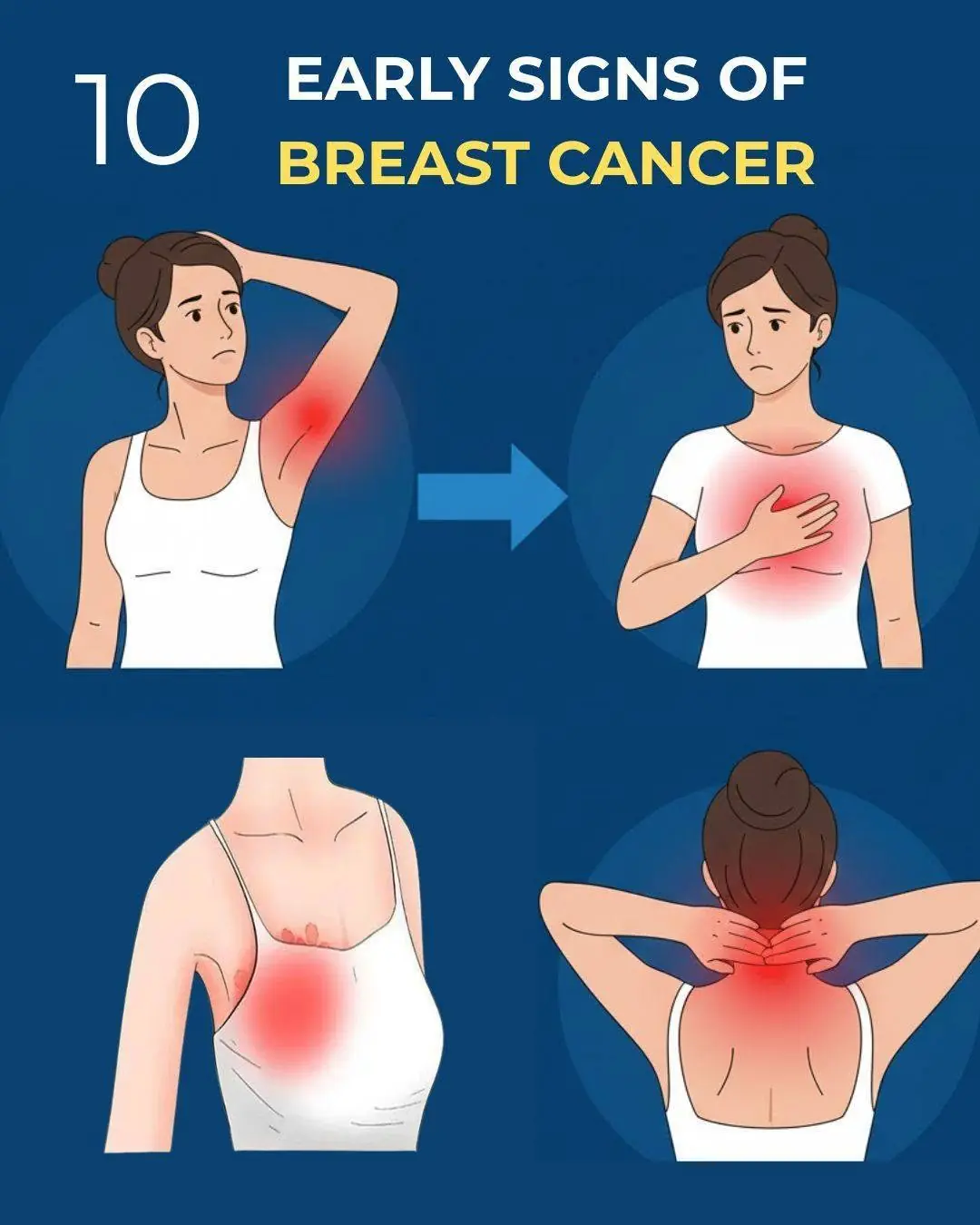
Your Body May Be Sending Signals - 10 Potential Symptoms of Bre.ast Can.cer
Your Body May Be Sending Signals - 10 Potential Symptoms of Bre.ast Can.cer

Doctors Warn: Could Eating These Three Types of Fish Regularly Increase Health Risks?
Some fish are nutritious, but safe choices and preparation matter every time.

Persistent Gut Problems? Here Are 6 Signs You Shouldn't Overlook
Persistent Gut Problems? Here Are 6 Signs You Shouldn't Overlook
Recognizing Fatty Liver Disease Early: 6 Symptoms That Deserve Attention
Recognizing Fatty Liver Disease Early: 6 Symptoms That Deserve Attention

Man Returns Home After Six Months—Only to Find More Than 100 Snake Eggs Hidden Beneath His Bed
An unexpected discovery turned a routine homecoming into a wildlife emergency.

Why Do Smart Travelers Throw a Water Bottle Under the Hotel Bed? The Simple Reason May Surprise You
Why Do Smart Travelers Throw a Water Bottle Under the Hotel Bed? The Simple Reason May Surprise You
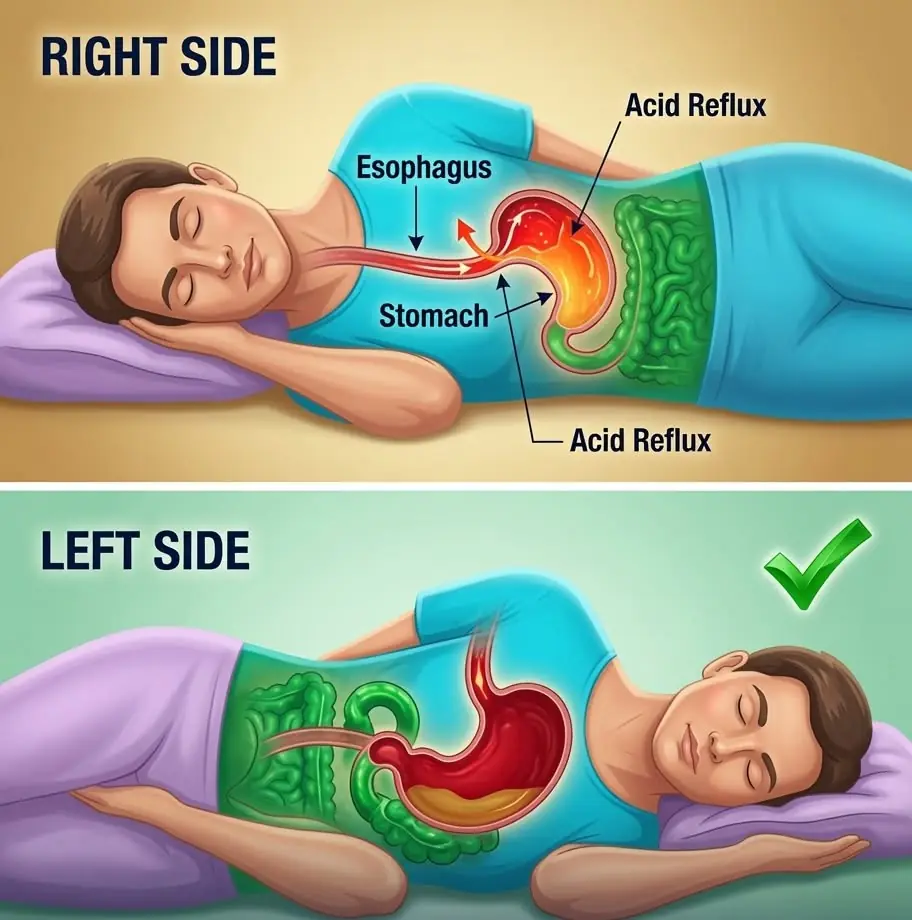
Note that if you always sleep on your right side, you should have...
Note that if you always sleep on your right side, you should have...

What happens when you drink water first thing in the morning? The answer may surprise you.
What happens when you drink water first thing in the morning? The answer may surprise you.

If You Keep Waking Up at 3 or 4 A.M., Don't Ignore These Possible Reasons...
If You Keep Waking Up at 3 or 4 A.M., Don't Ignore These Possible Reasons...
Not all parts of the meat are edible
Not all parts of the meat are edible
Concerned About Stroke Risk? These 3 Foods May Be Worth Limiting....
Concerned About Stroke Risk? These 3 Foods May Be Worth Limiting....

Doctors Warn Against Drinking These 2 Beverages Before Bed—No Matter How Thirsty You Are
Doctors Warn Against Drinking These 2 Beverages Before Bed—No Matter How Thirsty You Are
If your veins are visible in your hand, it is a signal of ca…
If your veins are visible in your hand, it is a signal of ca…
One month before a heart attack, your body will warn you of these 7 si
One month before a heart attack, your body will warn you of these 7 si
News Post

A Construction Engineer Explains: Why I Would Never Build a Bathroom Under the Stairs
A staircase bathroom may save space—but careful planning is essential.
Tips 07/07/2026 22:33

Choose One Ring and Discover What It May Reveal About Your Future Married Life
Your favorite ring may reflect your hopes, values, and love style.
Tips 07/07/2026 22:28
When it comes to reducing cancer risk, your greatest gains
Health 07/07/2026 21:48
What Your Stool Color Reveals About Your Digestive and Overall Health?
What Your Stool Color Reveals About Your Digestive and Overall Health?
Health 07/07/2026 21:44
My neighbor gave me a bag of these… anyone know what they are? How do you eat them?
These unusual horn-shaped water caltrops may look intimidating, but they're a traditional food enjoyed in many parts of Asia.
Health 07/07/2026 21:42
The Early Signs of Pan.creatic Can.cer Everyone Should Know
The Early Signs of Pan.creatic Can.cer Everyone Should Know
Health 07/07/2026 21:42
Throw This Out Immediately
Throw This Out Immediately
Health 07/07/2026 21:40
Your Body May Be Sending Signals - 10 Potential Symptoms of Bre.ast Can.cer
Your Body May Be Sending Signals - 10 Potential Symptoms of Bre.ast Can.cer
Health 07/07/2026 21:37
Doctors Warn: Could Eating These Three Types of Fish Regularly Increase Health Risks?
Some fish are nutritious, but safe choices and preparation matter every time.
Health 07/07/2026 21:37
Persistent Gut Problems? Here Are 6 Signs You Shouldn't Overlook
Persistent Gut Problems? Here Are 6 Signs You Shouldn't Overlook
Health 07/07/2026 21:34
Recognizing Fatty Liver Disease Early: 6 Symptoms That Deserve Attention
Recognizing Fatty Liver Disease Early: 6 Symptoms That Deserve Attention
Health 07/07/2026 21:31
Man Returns Home After Six Months—Only to Find More Than 100 Snake Eggs Hidden Beneath His Bed
An unexpected discovery turned a routine homecoming into a wildlife emergency.
Health 07/07/2026 21:28
Why Do Smart Travelers Throw a Water Bottle Under the Hotel Bed? The Simple Reason May Surprise You
Why Do Smart Travelers Throw a Water Bottle Under the Hotel Bed? The Simple Reason May Surprise You
Health 07/07/2026 21:28
Note that if you always sleep on your right side, you should have...
Note that if you always sleep on your right side, you should have...
Health 07/07/2026 21:26
What happens when you drink water first thing in the morning? The answer may surprise you.
What happens when you drink water first thing in the morning? The answer may surprise you.
Health 07/07/2026 21:22
If You Keep Waking Up at 3 or 4 A.M., Don't Ignore These Possible Reasons...
If You Keep Waking Up at 3 or 4 A.M., Don't Ignore These Possible Reasons...
Health 07/07/2026 21:16
Not all parts of the meat are edible
Not all parts of the meat are edible
Health 07/07/2026 21:13
Concerned About Stroke Risk? These 3 Foods May Be Worth Limiting....
Concerned About Stroke Risk? These 3 Foods May Be Worth Limiting....
Health 07/07/2026 21:10
Doctors Warn Against Drinking These 2 Beverages Before Bed—No Matter How Thirsty You Are
Doctors Warn Against Drinking These 2 Beverages Before Bed—No Matter How Thirsty You Are
Health 07/07/2026 21:07