
Doctors Reveal What Eating Eggs in the Morning May Do to Your Body
🍳 What Happens When You Eat Eggs Every Morning? Doctors Explain…
⏱️ 1 min read 25/08/2026 23:03
Breast cancer is often discussed as though it always begins with an obvious lump. In reality, breast cancer can present in several different ways, and some people have no noticeable symptoms at all.
The image suggests that warning signs may appear a full year before a diagnosis. That is too definite. There is no reliable one-year countdown, and a particular symptom cannot predict when breast cancer will be diagnosed. Some cancers develop silently, while others cause noticeable changes that prompt evaluation much earlier.
Still, knowing what is normal for your breasts—and recognizing a persistent change—is extremely important.
Many breast changes are harmless. Cysts, hormonal changes, infections, benign tumors, and other conditions can produce symptoms that look concerning but are not cancer. Only appropriate medical evaluation can determine the cause.
Here are some changes you should know about.
A new lump in the breast or underarm is one of the best-known potential warning signs.
A cancerous lump may feel firm, hard, irregular, or different from the surrounding tissue, but there is no single texture that identifies cancer.
Some benign lumps can also feel firm, while some cancers may be soft or difficult to detect by touch.
The important point is not to diagnose the lump yourself.
If you discover a new lump that persists, becomes larger, or feels distinctly different from the rest of the breast, arrange a medical evaluation.
Do not wait for it to become painful. Breast cancer lumps are often painless, although pain can occur with some breast cancers and many benign conditions.
A noticeable change in the size, contour, or shape of one breast can sometimes be a warning sign.
You might notice that one breast appears different from its usual appearance or that an area seems swollen or distorted.
Breast asymmetry is extremely common and can be completely normal. Hormonal fluctuations can also temporarily change breast size and tenderness.
What matters is a new and persistent change from your normal appearance.
If one breast suddenly looks different without an obvious explanation, it is worth having it assessed.
Changes in the skin can sometimes provide an important clue.
Look for:
• Persistent redness
• Thickening
• Swelling
• Scaling or irritation
• Dimpling or puckering
A particularly concerning appearance is skin that becomes dimpled or textured like the surface of an orange, sometimes called peau d'orange.
This can occur when cancer affects lymphatic drainage in the breast.
However, skin changes can also result from infections, eczema, allergic reactions, irritation, or other non-cancerous conditions.
If a skin change does not resolve or continues to worsen, seek medical evaluation rather than assuming it is simply irritation.
The nipple can sometimes provide another clue.
Pay attention to a new inward turning of the nipple, changes in its position, persistent scaling, or other alterations that are unusual for you.
Some people naturally have inverted nipples, and this can be completely normal. The concern is primarily when a nipple that was previously normal suddenly changes.
Persistent crusting or eczema-like changes around the nipple should also be evaluated, particularly when they occur on one side and do not respond to ordinary skin care.
Nipple discharge can have many causes, and most discharge is not cancer.
Hormonal changes, pregnancy, breastfeeding, medications, infections, and benign breast conditions can all cause discharge.
However, new spontaneous discharge—especially bloody or clear discharge coming from one breast—should be evaluated.
Do not repeatedly squeeze the nipple to check whether more fluid appears. Manipulation itself can stimulate discharge.
Instead, tell your healthcare professional what you have noticed and whether the discharge occurs spontaneously.
Breast pain is extremely common and is not usually a sign of breast cancer.
Hormonal fluctuations, menstruation, pregnancy, medications, injuries, cysts, and infections can all cause breast discomfort.
Nevertheless, persistent, localized, or unexplained pain should not simply be ignored—particularly when it occurs alongside a lump, skin change, nipple change, or swelling.
Pain alone does not tell you whether something is cancerous.
The goal is to understand why the pain is happening.
Sometimes breast cancer can cause swelling even when you cannot feel a distinct lump.
You may notice that part or all of one breast looks larger, feels heavier, or becomes noticeably different from the other side.
Inflammatory breast cancer, a relatively uncommon but potentially aggressive form of breast cancer, can cause rapid swelling, redness, warmth, and skin thickening.
These symptoms can resemble mastitis or another infection, which is one reason persistent or rapidly developing breast changes require medical assessment.
Breast tissue extends toward the armpit, and lymph nodes are located there.
A new lump or persistent swelling in the underarm area can sometimes be related to breast cancer that has affected nearby lymph nodes.
But enlarged lymph nodes are much more commonly caused by infections or inflammation.
A swollen node after an illness may disappear as the body recovers. A persistent, enlarging, or unexplained lump should be evaluated.
This is where the viral headline needs an important correction.
There is no scientifically established list of symptoms that reliably appears exactly one year before breast cancer is diagnosed.
Cancer develops differently from person to person. Some tumors grow slowly. Others can progress more quickly. Some cause physical changes that are noticed early, while others remain undetectable until screening or imaging identifies them.
Therefore, do not use a “one-year warning sign” list as a substitute for screening.
A person can have breast cancer without experiencing any of the symptoms above.
That is one reason screening can be so important.
Breast cancer screening is designed to detect abnormalities before symptoms necessarily become obvious.
Depending on your age, personal risk, family history, and other factors, screening may involve mammography or other imaging.
The appropriate schedule is not identical for everyone.
If you have a strong family history of breast cancer, known genetic risk, previous breast abnormalities, or another factor that increases your risk, your healthcare professional may recommend a different screening strategy.
Do not wait until you feel a lump before discussing screening.
One of the most useful habits is becoming familiar with how your breasts normally look and feel.
Breasts naturally change throughout the menstrual cycle and across different stages of life. Pregnancy, breastfeeding, menopause, hormonal medications, and changes in body weight can also affect breast tissue.
Rather than obsessively checking for a specific “cancer lump,” pay attention to new, persistent changes that are unusual for you.
That could mean a new lump, persistent swelling, a change in the nipple, unusual discharge, skin dimpling, or a noticeable change in shape.
Make an appointment if you notice a breast change that is:
• New
• Persistent
• Getting worse
• Clearly different from the other breast
• Associated with a lump or swelling
• Associated with unusual nipple discharge
You do not need to wait for several symptoms to appear.
At the same time, don't panic when you discover a breast change. Most breast changes are not cancer, particularly in younger people.
The purpose of evaluation is not to assume the worst—it is to determine what is actually happening.
Breast cancer does not always announce itself with a dramatic symptom. Some cases are discovered through screening before a person notices anything unusual.
Possible warning signs include:
1. A new lump or thickened area
2. A persistent change in breast size or shape
3. Skin dimpling, thickening, redness, or swelling
4. A new nipple inversion or persistent nipple changes
5. Unusual spontaneous nipple discharge
6. Persistent or unexplained breast or nipple discomfort
7. Swelling affecting part or all of the breast
8. A persistent lump or swelling under the arm
But these signs do not automatically mean breast cancer, and they cannot tell you how long a cancer has been present.
The most important takeaway is simple: don't ignore a persistent change, but don't assume every change is cancer either.
Know what is normal for your body, follow age- and risk-appropriate screening recommendations, and seek medical evaluation when something genuinely changes.
Early evaluation can provide reassurance when a change is harmless—and when something does require treatment, finding it sooner can give you more options.
Your body does not follow a fixed one-year warning schedule. What matters is noticing meaningful changes and getting them checked rather than waiting for them to disappear.
🍳 What Happens When You Eat Eggs Every Morning? Doctors Explain…

❤️ Feeling Your Heartbeat While Lying Down? Here’s What It Could Mean…

A simple sleeping position may offer surprising benefits for your body.
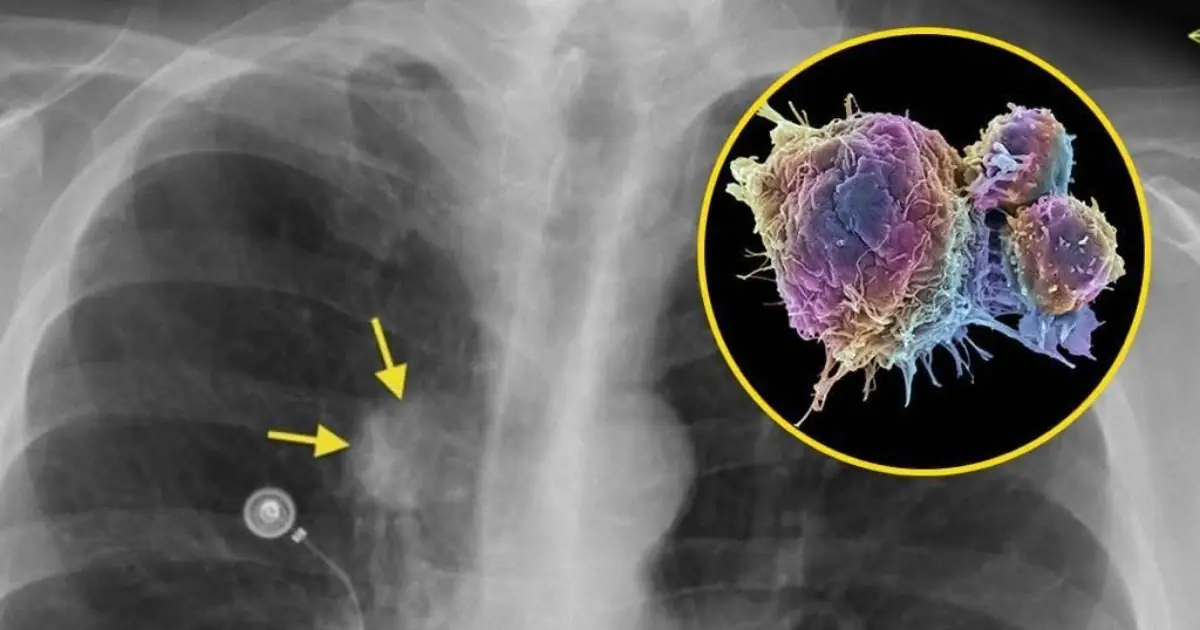
Recognizing unusual symptoms early may help prompt timely medical care.

If You See This Type of Chicken, Doctors Advise You to Throw It Out Immediately

Could Lemon Water Help Blo:od Pressure? He Tried It for 2 Years and the Outcome Was Unexpected
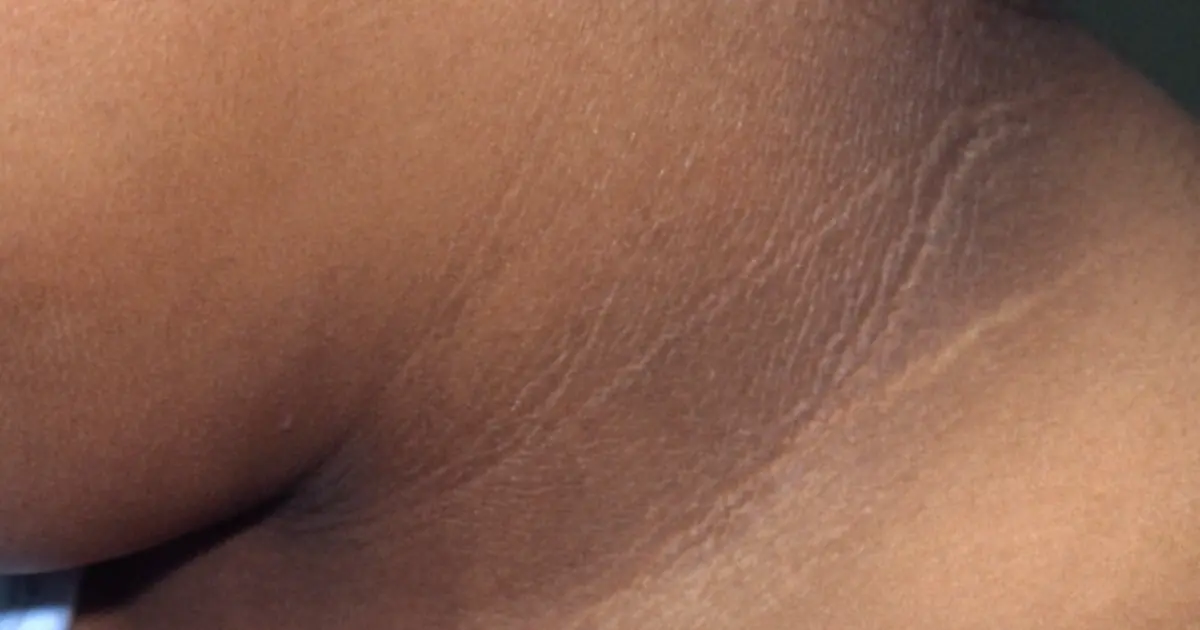
🚨 9 Signs Your Blood Sugar May Be Trying to Tell You Something…

4 Early Warning Signs That Could Show Up Minutes Before a Stroke — Don’t Ignore Them
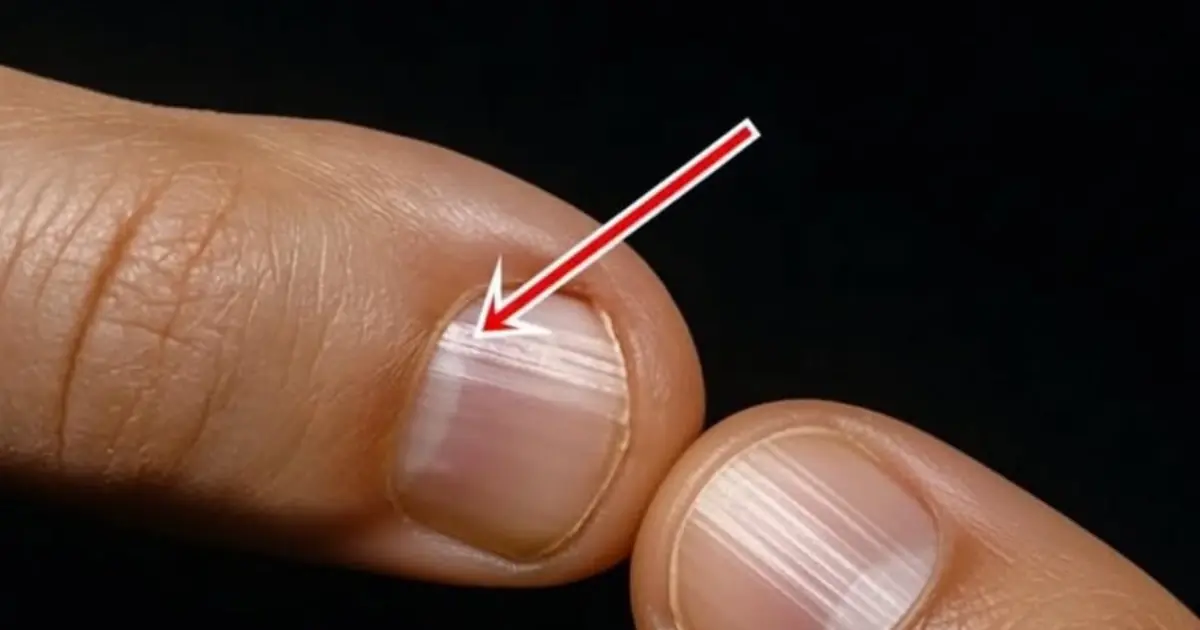
After 40, Your Nails Can Reveal Hidden Changes in Your Body—Don’t Ignore This

Many people dismiss nighttime leg cramps as nothing more than a sign of overexertion or dehydration. While occasional muscle cramps are common and usually harmless, frequent or severe episodes can sometimes point to underlying health issues that deserve a
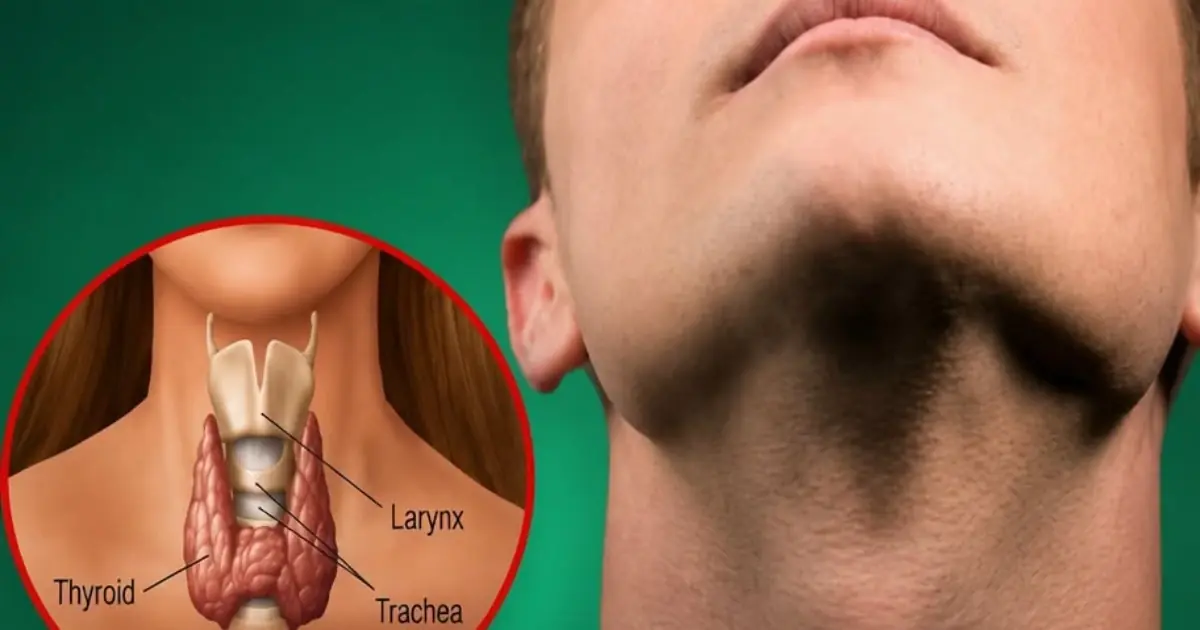
Your Thyroid Is Begging You to Stop Eating These 6 Foods Immediately

Can one simple food really lower blood sugar? Here's the real story.

Cloves are much more than just a sweet, aromatic spice used in cooking; for centuries, they have been valued in traditional medicine for their powerful therapeutic properties. Packed with essential nutrients, vitamins, minerals, and potent plant compounds

What Happens to Your Body When You Eat a Banana Before Bed? Doctors Explain

Tilapia is a popular fish worldwide known for its mild flavor, affordability, and nutritional value. It is high in protein and contains several important nutrients, such as vitamin B12 and vitamin D. However, the safety and ethical concerns related to cer
Stroke can happen at any age, and early action can save lives.

🩺 If Your Kidneys Are in Danger, Your Body Will Warn You With These 8 Signs

If You Wear Socks to Bed, You Should Know This

Are You Sleeping the Wrong Way? This Position May Be Impacting Your Health.
🍳 What Happens When You Eat Eggs Every Morning? Doctors Explain…
❤️ Feeling Your Heartbeat While Lying Down? Here’s What It Could Mean…
A simple sleeping position may offer surprising benefits for your body.
Recognizing unusual symptoms early may help prompt timely medical care.
Most smartphone users overlook these surprisingly useful button shortcuts.
If You See This Type of Chicken, Doctors Advise You to Throw It Out Immediately
A simple intersection puzzle is challenging logic and road-rule knowledge.
Experts say daily food choices may play a key role in brain aging.
Could Lemon Water Help Blo:od Pressure? He Tried It for 2 Years and the Outcome Was Unexpected
New research raises concerns about a common compound found in breakfast staples.
🚨 9 Signs Your Blood Sugar May Be Trying to Tell You Something…
4 Early Warning Signs That Could Show Up Minutes Before a Stroke — Don’t Ignore Them
As one of the most nutrient-dense foods on the planet, salmon has long been celebrated by health experts and culinary enthusiasts alike. Beyond its rich flavor and versatility in the kitchen, this popular fatty fish offers an impressive array of health be
A simple photo sparked confusion online as thousands mistook a fence for a lake.
After 40, Your Nails Can Reveal Hidden Changes in Your Body—Don’t Ignore This
A small purple butterfly carries a message of love, loss, and compassion.
Many people dismiss nighttime leg cramps as nothing more than a sign of overexertion or dehydration. While occasional muscle cramps are common and usually harmless, frequent or severe episodes can sometimes point to underlying health issues that deserve a
Your Thyroid Is Begging You to Stop Eating These 6 Foods Immediately
Can one simple food really lower blood sugar? Here's the real story.