The publication does not establish all possible long-term outcomes, fertility implications, or later follow-up findings.
Those details should not be invented.
Why Antibiotics May Be Used
When an injury involves the reproductive tract and nearby internal structures, doctors may consider the risk of bacterial contamination.
Antibiotics are used to prevent or treat infections when clinically indicated.
The choice of medication depends on the patient's condition, the nature of the injury, and the treating team's assessment.
Antibiotics do not replace surgical treatment when an object needs to be removed.
They are part of a broader treatment plan.
Why Drainage May Be Necessary
Surgical drainage can help remove fluid that accumulates in an operative area.
Depending on the circumstances, this may include blood, inflammatory fluid, or other material.
A drainage device can also help medical staff monitor postoperative output.
The decision to use drainage depends on the operation and the surgeon's assessment.
In the Bouaké report, drainage was included in the postoperative management.
The Importance of Monitoring
Following an operation, the medical team monitors the patient for potential complications.
These may include fever, worsening pain, bleeding, urinary problems, or signs of infection.
Doctors may also assess whether the patient can eat, move, and urinate normally.
The goal is to identify problems early and ensure that recovery is progressing appropriately.
In this particular case, the authors described the postoperative course as simple and favorable.
That is an important detail because the original social media caption focuses heavily on the shocking nature of the accident while offering little explanation of the medical outcome.
The documented report provides a more complete and reassuring picture.
Why Repeated Attempts to Remove a Foreign Object Can Make Things Worse
One of the most important lessons from the case concerns what happened before the teenager reached the specialist hospital.
The report describes multiple attempts to retrieve the pen.
These attempts may have contributed to the object moving deeper into the body.
This is a serious issue in emergency medicine.
When an object becomes lodged inside the body, the instinctive reaction may be to pull it out as quickly as possible.
But this can be dangerous.
An object may have an irregular shape, a sharp tip, or a position that is not immediately visible.
Pulling it without knowing its orientation can cause additional damage.
The Risk of Moving an Object Deeper
Foreign objects can become displaced when someone attempts to remove them.
A long object may rotate.
A pointed end may move toward surrounding tissue.
A flexible object may bend or become caught.
An object may also become inaccessible through the original entry route.
This is particularly concerning in the pelvis because several organs are located close together.
An object that initially appears to be near the vaginal opening may travel farther into the pelvic cavity if an injury has created an abnormal pathway.
That is why medical professionals may prefer imaging before attempting extraction.
The objective is to understand the position first.
Why Patients May Feel Embarrassed
Another challenge is that patients sometimes delay seeking medical care because they feel embarrassed.
This is especially true when an injury involves intimate parts of the body.
A young person may fear being judged by relatives, nurses, or doctors.
An adult may worry about privacy or how the circumstances will be interpreted.
But delaying treatment can make a medical problem more difficult to manage.
Healthcare professionals need accurate information to make appropriate decisions.
They are there to provide medical care, not to shame patients.
The safest approach is to explain what happened as honestly as possible.
Even details that seem uncomfortable or embarrassing may help doctors choose the right examinations and treatment.
The Importance of Immediate Medical Assessment
If a foreign object becomes lodged inside the body, the safest response is to seek professional medical attention.
Do not push it farther inside.
Do not use improvised instruments to retrieve it.
Do not repeatedly pull on an object when it is stuck or causing pain.
Do not delay treatment because of embarrassment.
If there is severe pain, bleeding, faintness, fever, or difficulty urinating, emergency assessment is particularly important.
The correct treatment depends on the object and its location.
Some objects can be removed through a minimally invasive procedure.
Others require surgery.
The key is allowing trained professionals to determine the safest method.
What Other Medical Cases Reveal About Foreign Objects Inside the Body
The Bouaké case is unusual, but it is not the only example of doctors encountering foreign objects in the pelvic or urinary region.
Medical literature contains several reports involving objects that accidentally or intentionally entered the body and later required hospital treatment.
These cases demonstrate why medical professionals take such injuries seriously.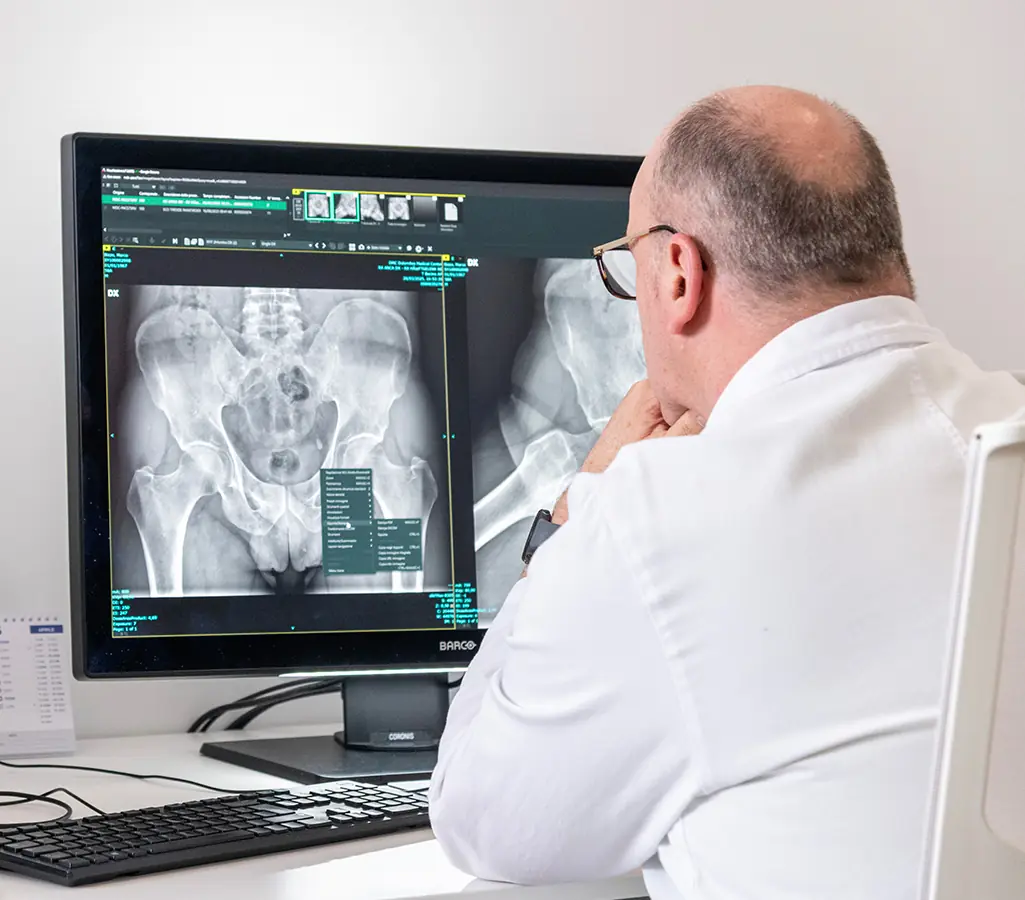
A Pen Fragment Found in the Urinary Bladder
A separate medical publication described a 16-year-old girl who was admitted to hospital with abdominal pain and pus cells in her urine.
An X-ray revealed an elongated object associated with a urinary stone.
The patient explained that a fragment of a pen had entered her urinary bladder approximately one year earlier.
Doctors used a cystoscopic procedure to remove the fragment and the stone that had formed around it.
The postoperative period was uncomplicated.
This case illustrates another potential problem: a foreign object that remains inside the urinary tract for an extended period can contribute to irritation, infection, and stone formation.
A Wire Discovered Inside the Bladder
Another published medical case involved a patient whose pelvic X-ray revealed a coil of wire inside the urinary bladder.