Healthy blood pressure and efficient circulation are essential for overall well-being. Every second of every day, the heart pumps blood through a vast network of arteries, veins, and capillaries, delivering oxygen and nutrients to tissues throughout the body.
When blood pressure becomes elevated or circulation becomes impaired, the risk of serious health conditions—including heart disease, stroke, kidney disease, and vascular problems—can increase significantly.
The good news is that many factors affecting blood pressure and circulation are influenced by daily habits. Small lifestyle changes practiced consistently over time can have a meaningful impact on cardiovascular health.
While these habits are not a substitute for medical treatment when needed, they can play an important role in supporting a healthy circulatory system.
Here are five daily habits that may help promote healthy blood pressure and better circulation.
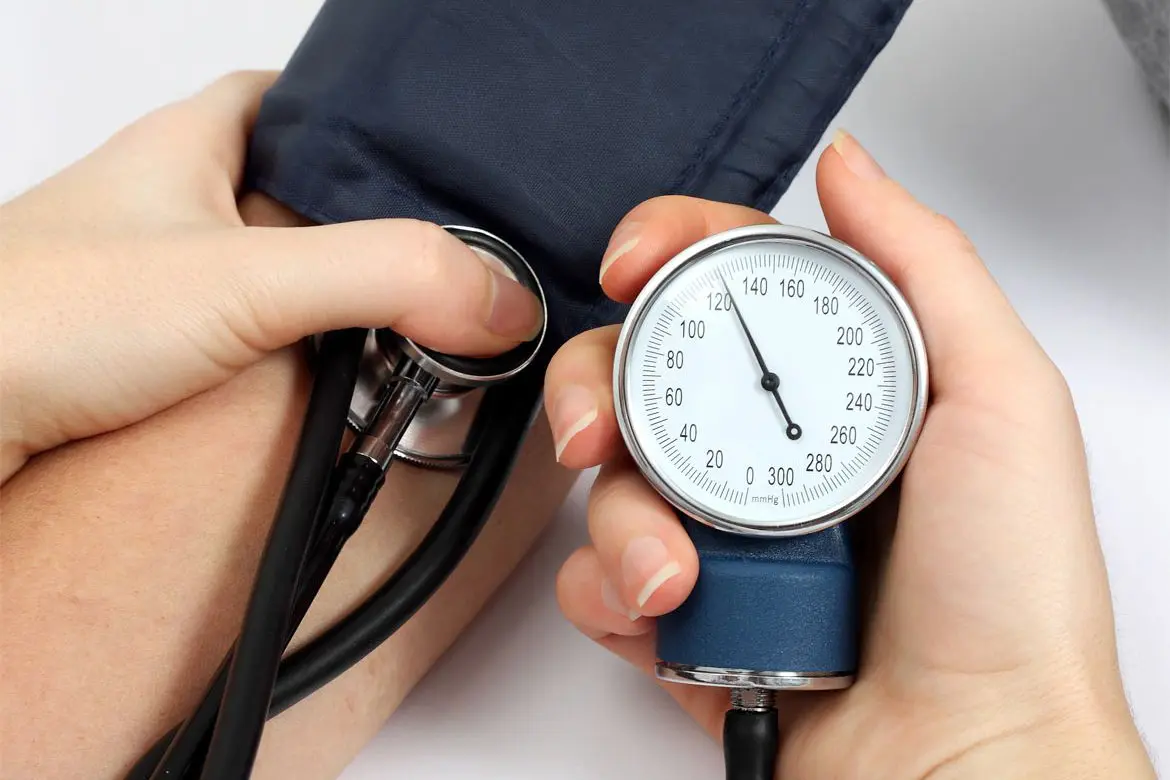
Why Blood Pressure and Circulation Matter
Blood pressure refers to the force exerted by blood against artery walls as the heart pumps.
Circulation refers to the movement of blood throughout the body.
Together, they help:
-
Deliver oxygen to organs and tissues
-
Transport nutrients
-
Remove waste products
-
Support brain function
-
Maintain healthy organ performance
Problems with blood pressure or circulation may lead to symptoms such as:
-
Fatigue
-
Dizziness
-
Cold hands and feet
-
Swelling
-
Shortness of breath
-
Chest discomfort
Over time, uncontrolled cardiovascular issues can contribute to more serious complications.
Habit #1: Move Your Body Every Day
Why Physical Activity Matters
Exercise is one of the most effective lifestyle tools for supporting cardiovascular health.
Regular movement helps:
-
Improve blood vessel function
-
Enhance circulation
-
Support healthy blood pressure
-
Strengthen the heart muscle
When muscles contract during activity, they help pump blood back toward the heart, improving overall circulation.
Simple Activities That Help
You don't need intense workouts to experience benefits.
Examples include:
-
Walking
-
Cycling
-
Swimming
-
Dancing
-
Gardening
-
Light jogging