Blood consists largely of water.
When hydration levels are adequate, blood can flow more efficiently throughout the body.
Signs of Dehydration
Mild dehydration may contribute to:
-
Fatigue
-
Dizziness
-
Headaches
-
Reduced circulation efficiency
Practical Hydration Tips
-
Drink water consistently throughout the day.
-
Increase fluid intake during hot weather.
-
Consume water-rich fruits and vegetables.
-
Monitor urine color as a general hydration indicator.
Hydration needs vary from person to person based on activity level, climate, and health status.
Habit #4: Manage Daily Stress
The Blood Pressure Connection
Stress activates the body's "fight-or-flight" response.
During this response:
-
Heart rate increases
-
Blood vessels constrict
-
Blood pressure may rise
Occasional stress is normal, but chronic stress can negatively affect cardiovascular health.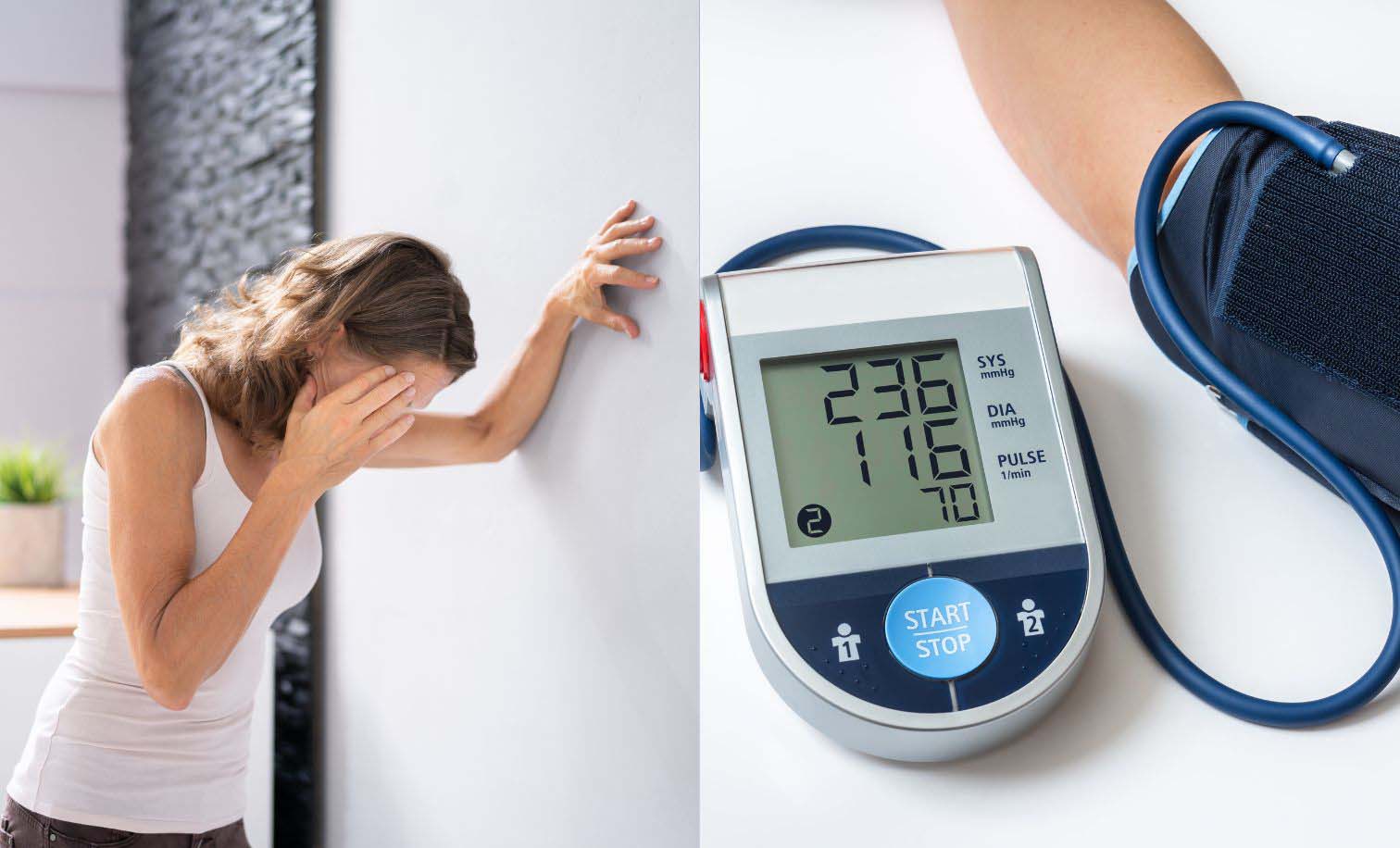
Healthy Stress-Management Techniques
Helpful approaches include:
-
Deep breathing exercises
-
Meditation
-
Yoga
-
Journaling
-
Spending time outdoors
-
Listening to music
-
Connecting with family and friends
Sleep Also Matters
Stress and poor sleep often occur together.
Improving sleep quality can help support healthier blood pressure levels.
Habit #5: Prioritize Quality Sleep
Sleep and Cardiovascular Health
During sleep, the body performs important repair and recovery processes.
Poor sleep has been associated with: