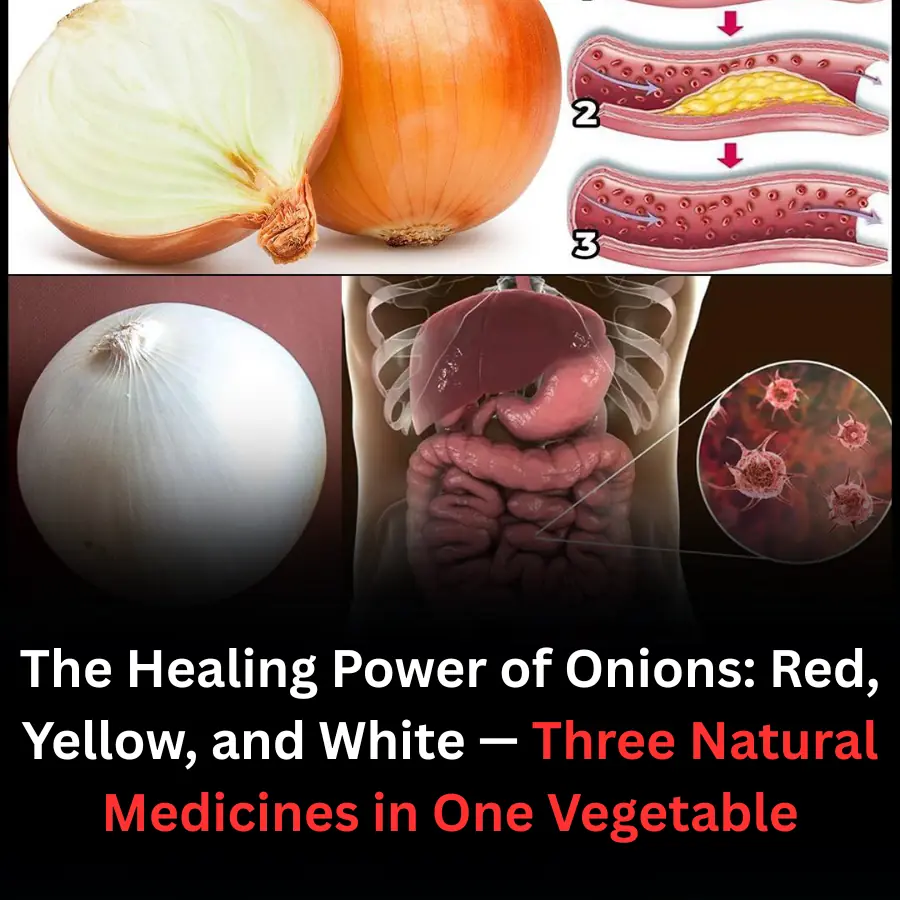
Here’s the low-down on why a humble vegetable like the onion — whether red, yellow or white — deserves serious respect. I’ll walk you through what these three varieties really offer, how they differ, and how you can use them to support your health (without thinking they’re miracle cures).
1. What’s going on with onions?
Onions (Onion, scientific name Allium cepa) are more than just flavour bombs. They’re loaded with compounds that science is increasingly linking to actual health benefits. Key players:
-
Flavonoids (especially Quercetin)
-
Anthocyanins (in red/purple varieties)
-
Sulfur-containing compounds (those sharp, tear-inducing bits, and more)
-
Prebiotic fibres (helping your gut microbiome)
Research shows that these compounds give onions antioxidant, anti-inflammatory, cardiovascular supportive and even anti-cancer properties. Cleveland Clinic+3PMC+3WebMD+3
2. Red vs Yellow vs White: What’s the difference?
Each variety brings its own strengths. Here’s how they compare:
-
Red onions: These are rich in anthocyanins (the pigments that give the reddish/purple hue) and have high quercetin content. They tend to have the highest antioxidant capacity. PMC+2MDPI+2
-
Yellow onions: Very common, strong flavour, and while they don’t quite reach red onions in some antioxidant metrics, they still offer a lot. Some studies show yellow ones have much more antioxidants than white varieties. Healthline+1
-
White onions: Mild flavour, great for many dishes, but their antioxidant and flavonoid levels tend to be lower compared to red or yellow. PMC+1
So the takeaway: all onions are good, but red and yellow give you a bigger boost of the “good stuff”.
3. Top-tier health benefits
Here are some of the major health effects onions bring — backed by research.
A. Antioxidant & anti-inflammatory power
-
Onions contain quercetin and anthocyanins, which help reduce oxidative stress (the kind of cell damage linked to aging and chronic disease). PMC+1
-
By lowering inflammation they may help with conditions that involve chronic inflammation (metabolic syndrome, heart disease, etc.). Cleveland Clinic
B. Heart & circulation support
-
Regular onion consumption has been linked to lower blood pressure, lower LDL (“bad”) cholesterol, and improved blood flow. Cleveland Clinic+1
-
The sulfur compounds and flavonoids seem to contribute to “antiplatelet” and antithrombotic effects (helping reduce risk of clots, stroke) in some studies. PubMed
C. Blood sugar regulation & metabolic benefits
-
Studies suggest onions (and the compounds within) can help improve insulin sensitivity, and lower fasting glucose levels in some cases. National Onion Association+1
-
Onion fibre and prebiotics support gut health, which plays into metabolic health. National Onion Association
D. Bone health
-
Some human data: women over 50 who eat onions daily had better bone density and lower fracture risk. Cleveland Clinic
E. Gut, immune & digestion-friendly
-
Onions contain inulin/fructans (prebiotic fibres) that feed beneficial gut bacteria. Agro Journal+1
-
They also pack vitamin C, minerals (potassium, manganese), and have mild antimicrobial properties. WebMD+1
F. Cancer risk reduction (some evidence)
-
While not definitive, onion intake has been correlated with lower risks of certain cancers (digestive tract, ovarian, etc.) in observational studies. Spice World Inc+1
4. Why colour matters (and what to pick)
Because the pigment and chemical makeup change with variety:
-
If you want maximum antioxidant / flavonoid punch, go for red onion.
-
If you need a reliable everyday onion that still gives good value, yellow onion is strong.
-
If you prefer mild flavour (for raw dishes, sandwiches, etc.), white onion is fine — but know you’re getting less of the bioactive compounds.
Cooking also affects compounds: raw or lightly cooked retains more; over-cooking may reduce benefits. Healthline
5. Practical ways to use onions for health
Here are some tips to make the most of onions in your diet:
-
Eat a variety of onion colours across meals (red, yellow, white) to mix flavours and bioactive profiles.
-
Use raw red/sliced in salads, sandwiches — you’ll retain more of the flavonoids.
-
Sauté yellow onions (caramelised) for soups, stews, to integrate them into your diet.
-
Use white onions in dishes where you want milder onion taste (stir-fries, tacos, etc.).
-
Use the outer layers / skins when cooking stocks or soups (especially red onion skins — higher flavonoids) if you’re making homemade broths.
-
Keep onions in a cool, dry place; don’t overcook or burn to preserve the beneficial compounds.
6. Things to watch out for
-
Onions are not a magic bullet. They support health; they don’t substitute for medications, serious treatments, or lifestyle changes (exercise, sleep, diet).
-
Some people are sensitive: onions are high in FODMAPs (could trigger bloating, IBS-type issues). TIME
-
Raw onions: strong flavour, may cause “onion breath” or minor digestive discomfort for some.
-
If you cook onions at very high heat or burn them, you may degrade many beneficial compounds.
-
Portion size: Typically, beneficial effects come from regular intake as part of a balanced diet — not massive amounts in one go.
7. The bottom line
Red, yellow and white onions — all deserve to be more than “just flavour base”. They’re little natural health boosters:
-
Red = big punch (highest antioxidants)
-
Yellow = everyday strong choice
-
White = mild flavour, still useful
If you incorporate them regularly, you’re helping your antioxidant load, your heart, your metabolism, your bones, and your gut. Regularity + variety = key.
So next time you chop onions, think: “I’m doing this not just for flavour — I’m giving my body a gift.”