Walnuts have been enjoyed for thousands of years and are often considered one of the healthiest nuts available. With their distinctive brain-like shape, rich flavor, and impressive nutritional profile, walnuts have earned a place in many heart-healthy eating patterns around the world. They are packed with healthy fats, plant protein, fiber, vitamins, minerals, and antioxidants, making them a nutrient-dense snack that can easily fit into a balanced diet.
Research over the past few decades has linked regular walnut consumption with a variety of potential health benefits, particularly for heart health. While walnuts are not a miracle food and cannot prevent or cure disease on their own, they can be an excellent addition to an overall healthy lifestyle.
In this article, we'll explore the nutritional value of walnuts, the science behind their potential health benefits, how many you should eat, and simple ways to include them in your daily meals.
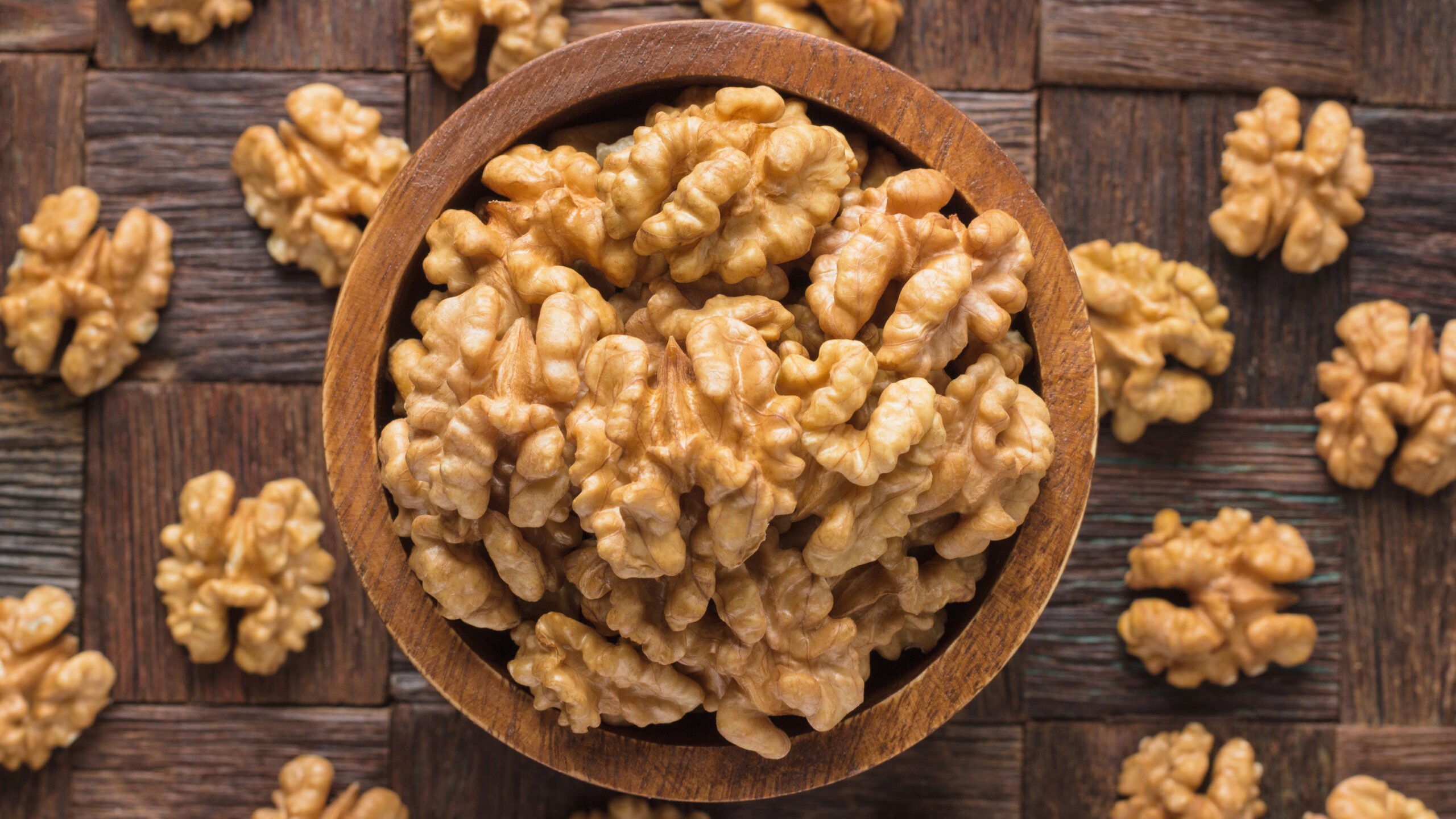
What Makes Walnuts So Nutritious?
Walnuts are unique among tree nuts because they contain a significant amount of alpha-linolenic acid (ALA), a plant-based omega-3 fatty acid.
A one-ounce (about 28 grams, or a small handful) serving of walnuts provides approximately:
-
About 185 calories
-
Around 18 grams of healthy fat
-
About 4 grams of protein
-
Nearly 2 grams of fiber
-
Magnesium
-
Copper
-
Manganese
-
Phosphorus
-
Vitamin B6
-
Folate
-
Vitamin E (in smaller amounts than some other nuts)
-
Numerous antioxidants and polyphenols
Although walnuts are calorie-dense, they are also highly nutritious, which is why nutrition experts often recommend moderate daily portions.
1. May Support Heart Health
One of the most well-researched benefits of walnuts relates to cardiovascular health.
Walnuts contain:
-
Unsaturated fats
-
Plant omega-3 fatty acids (ALA)
-
Fiber
-
Antioxidants
-
Plant sterols
These nutrients may help support healthy cholesterol levels and overall heart function when eaten as part of a balanced diet.
Replacing foods high in saturated fat with walnuts can also improve the overall quality of your diet.
2. Rich in Plant-Based Omega-3 Fatty Acids
Unlike most other nuts, walnuts are an excellent source of alpha-linolenic acid (ALA).
ALA is an essential fat, meaning the body cannot produce it and must obtain it from food.
Although ALA is different from the omega-3 fats found in fish (EPA and DHA), it still contributes to a healthy dietary pattern and supports normal body functions.
People following vegetarian or vegan diets often rely on walnuts, flaxseeds, chia seeds, and hemp seeds as plant-based omega-3 sources.
3. Packed with Antioxidants
Walnuts are among the highest-antioxidant tree nuts.
They contain several antioxidant compounds, including:
-
Polyphenols
-
Ellagitannins
-
Melatonin
-
Vitamin E
-
Flavonoids
Antioxidants help protect cells from oxidative stress caused by free radicals.
A diet rich in antioxidant-containing foods supports overall health and healthy aging.
4. May Support Brain Health
Walnuts are often associated with brain health—not only because they resemble the human brain but also because they contain nutrients important for normal brain function.
These include:
-
Omega-3 fatty acids
-
Vitamin B6
-
Folate
-
Polyphenols
-
Antioxidants
Researchers continue to study the relationship between walnut consumption and cognitive health, but current evidence suggests walnuts can be part of an overall brain-healthy dietary pattern.
No single food can prevent cognitive decline, but a balanced diet rich in fruits, vegetables, whole grains, fish, nuts, and healthy fats is associated with better long-term brain health.
5. May Help Support Healthy Cholesterol Levels
Several studies suggest that replacing foods high in saturated fat with walnuts may help maintain healthy cholesterol levels already within the normal range.
The combination of unsaturated fats, fiber, and plant sterols contributes to this potential benefit.
Remember that cholesterol management depends on many lifestyle factors, including exercise, body weight, and overall dietary habits.

6. Supports Digestive Health
Walnuts provide dietary fiber, which helps:
-
Promote regular bowel movements
-
Support beneficial gut bacteria
-
Increase feelings of fullness
Researchers are also studying how walnuts may influence the gut microbiome—the community of beneficial microorganisms living in the digestive tract.
A healthy microbiome contributes to digestion, immune function, and overall well-being.
7. A Satisfying Snack That May Support Weight Management
Although walnuts are relatively high in calories, they can still fit into a healthy weight management plan.
Their combination of:
-
Healthy fats
-
Protein
-
Fiber
helps increase satiety, making you feel fuller for longer.
People who replace less nutritious snacks with moderate portions of walnuts may find it easier to maintain healthy eating habits.
8. May Help Support Healthy Blood Sugar
Walnuts are naturally low in carbohydrates and contain healthy fats, protein, and fiber.
When included in balanced meals, they may help slow digestion and promote steadier blood sugar responses compared with highly refined carbohydrate snacks.
For people with diabetes or prediabetes, portion control remains important because walnuts are calorie-dense.
9. Provides Important Minerals
Walnuts are an excellent source of several minerals your body needs every day.
Magnesium
Supports muscle function, nerve signaling, energy production, and bone health.
Copper
Plays a role in energy metabolism, iron utilization, and connective tissue formation.
Manganese
Important for metabolism, bone formation, and antioxidant enzyme activity.
Phosphorus
Supports healthy bones and teeth while contributing to energy production.
10. May Help Reduce Overall Inflammation as Part of a Healthy Diet
Inflammation is a normal part of the body's defense system.
However, chronic low-grade inflammation has been linked to many long-term health conditions.
Because walnuts provide unsaturated fats, antioxidants, and polyphenols, they may help support the body's normal inflammatory balance when included in an overall healthy dietary pattern.
How Many Walnuts Should You Eat?
One of the most common questions is:
How many walnuts should I eat each day?
For most healthy adults, a serving of about one ounce (28 grams) is a practical guideline.
This equals approximately:
-
14 walnut halves
-
Or a small handful
This portion provides an excellent balance of nutrients without contributing excessive calories.
If you're trying to lose weight, walnuts can still be included—just account for them within your daily calorie needs.
Easy Ways to Add Walnuts to Your Diet
Walnuts are incredibly versatile.
Here are some simple ideas.
Breakfast
Sprinkle chopped walnuts over:
-
Oatmeal
-
Greek yogurt
-
Whole-grain cereal
-
Smoothie bowls
Salads
Add walnuts to salads with:
-
Spinach
-
Apples
-
Blueberries
-
Goat cheese
-
Olive oil vinaigrette
Snacks
Enjoy a small handful of walnuts with fresh fruit.
Apples, pears, and grapes pair especially well.
Baking
Use chopped walnuts in:
-
Banana bread
-
Whole-grain muffins
-
Homemade granola
Reduce added sugar whenever possible.
Main Dishes
Mix walnuts into:
-
Stir-fries
-
Grain bowls
-
Roasted vegetables
-
Pasta dishes
They add crunch and healthy fats.
Should You Eat Raw or Roasted Walnuts?
Both are nutritious.
Raw walnuts retain their natural nutrient profile.
Dry-roasted walnuts also make an excellent snack.
However, avoid heavily salted or sugar-coated varieties whenever possible.
Choose unsalted versions for the healthiest option.
Who Should Be Careful?
Walnuts are healthy for most people, but some individuals should exercise caution.
Tree Nut Allergies
People with tree nut allergies should avoid walnuts unless advised otherwise by an allergist.
Tree nut allergies can cause severe allergic reactions.
Portion Control
Because walnuts are calorie-dense, eating very large amounts regularly may contribute to excess calorie intake.
Moderation is key.
Storage
Walnuts contain delicate unsaturated fats that can become rancid if stored improperly.
Store them:
-
In an airtight container
-
In the refrigerator or freezer
-
Away from heat and sunlight
Frequently Asked Questions
Can I eat walnuts every day?
Yes.
For most healthy adults, enjoying a moderate daily serving of walnuts is considered part of a healthy eating pattern.
Are walnuts healthier than almonds?
Both are highly nutritious.
Walnuts provide more plant-based omega-3 fats, while almonds contain more vitamin E and slightly more protein.
The healthiest approach is to enjoy a variety of nuts.
Do walnuts lower cholesterol?
Walnuts may help support healthy cholesterol levels when they replace foods high in saturated fat as part of a balanced diet.
They are not a substitute for medication when treatment is needed.
Are walnuts good for older adults?
Yes.
Their healthy fats, protein, fiber, vitamins, and minerals make them a nutritious option for many older adults, provided there are no allergies or chewing difficulties.

The Bottom Line
Walnuts are one of nature's most nutrient-dense foods, offering a unique combination of healthy fats, plant-based omega-3 fatty acids, fiber, protein, vitamins, minerals, and antioxidants. Regularly including a moderate serving—about 14 walnut halves or one ounce (28 grams)—in your diet may support heart health, brain function, digestive health, healthy cholesterol levels, and overall wellness when combined with other healthy lifestyle habits.
While walnuts are rich in calories, they are also highly satisfying and can fit into a balanced eating plan when enjoyed in appropriate portions. Whether you sprinkle them over oatmeal, toss them into salads, blend them into smoothies, or enjoy them as a simple snack, walnuts provide a delicious and convenient way to increase the nutritional quality of your meals.
Remember that no single food determines your health. The greatest benefits come from an overall dietary pattern rich in fruits, vegetables, whole grains, legumes, lean proteins, healthy fats, and regular physical activity. Walnuts are not a miracle food—but they are certainly a smart and flavorful choice for supporting long-term health.