Dog rose (Rosa canina) is a wild flowering plant often seen climbing hedges, forest edges, and countryside fences. With its delicate pink or white blossoms and bright red rose hips, it has been valued for centuries in traditional medicine across Europe, Asia, and the Middle East. While many people admire it for its beauty, dog rose holds powerful health benefits that are still overlooked today.
Modern research is now confirming what traditional healers have long known: dog rose - especially its fruit, the rose hip - is a nutritional powerhouse with impressive medicinal potential.
What Is Dog Rose?
Dog rose is a wild rose species belonging to the Rosaceae family. After flowering, it produces oval, red-orange fruits known as rose hips, which are the most commonly used part of the plant. Leaves, petals, and seeds have also been used historically, but rose hips contain the highest concentration of active compounds.
Nutritional Profile of Dog Rose
Dog rose hips are exceptionally rich in:
-
Vitamin C (often higher than citrus fruits)
-
Vitamin A, E, and K
-
Flavonoids and polyphenols
-
Carotenoids (including beta-carotene and lycopene)
-
Pectin and dietary fiber
-
Essential fatty acids (from seeds)
This unique combination makes dog rose both nutrient-dense and medicinally active.

10 Surprising Health Benefits of Dog Rose
1. Powerful Immune System Support
Dog rose is one of the richest natural sources of vitamin C, which plays a crucial role in immune defense.
Benefits include:
-
Strengthening immune response
-
Reducing the severity of colds and flu
-
Supporting faster recovery from infections
Rose hip tea is traditionally consumed during cold seasons for this reason.
2. Anti-Inflammatory Effects
Dog rose contains compounds that help reduce inflammation in the body.
Studies suggest it may help:
-
Ease joint and muscle pain
-
Reduce stiffness in people with arthritis
-
Calm chronic inflammatory conditions
Some research has shown rose hip powder may reduce pain in osteoarthritis patients.
3. Supports Joint and Bone Health
Beyond reducing inflammation, dog rose may support cartilage protection and mobility.
Potential benefits:
-
Improved joint flexibility
-
Reduced wear on connective tissue
-
Support for aging joints
This makes it especially useful for older adults.
4. Rich in Antioxidants
Dog rose is packed with antioxidants that help neutralize free radicals.
Antioxidant benefits include:
-
Protecting cells from oxidative stress
-
Slowing premature aging
-
Reducing the risk of chronic diseases
These compounds support long-term cellular health.
5. Promotes Skin Health and Beauty
The vitamin C, carotenoids, and flavonoids in dog rose support collagen production and skin repair.
Skin-related benefits may include:
-
Improved skin elasticity
-
Reduced appearance of wrinkles
-
Faster wound healing
Rose hip oil is widely used in skincare for scars and dry skin.
6. Supports Heart Health
Dog rose may contribute to cardiovascular wellness through its antioxidant and anti-inflammatory properties.
Potential heart benefits:
-
Supporting healthy blood vessels
-
Reducing oxidative damage to arteries
-
Helping regulate cholesterol levels
Fiber in rose hips also supports heart-friendly digestion.
7. Aids Digestive Health
Dog rose contains natural pectin and fiber that support the digestive system.
Digestive benefits include:
-
Improving bowel regularity
-
Supporting gut bacteria balance
-
Helping relieve mild constipation
Traditional use includes rose hip tea for gentle digestive support.
8. Supports Weight Management
Some studies suggest rose hip extracts may help reduce abdominal fat accumulation.
Possible mechanisms:
-
Improved fat metabolism
-
Reduced inflammation linked to obesity
-
Support for blood sugar balance
Dog rose is not a weight-loss cure, but it may support healthy metabolism.
9. Mild Diuretic and Detox Support
Dog rose has been traditionally used to support kidney function and fluid balance.
Benefits may include:
-
Promoting gentle detoxification
-
Supporting urinary health
-
Reducing water retention
Adequate hydration is important when using herbal diuretics.
10. May Support Brain and Cognitive Health
Antioxidants and anti-inflammatory compounds in dog rose may help protect brain cells.
Potential benefits:
-
Supporting memory and focus
-
Reducing oxidative stress in the brain
-
Protecting against age-related cognitive decline
While research is ongoing, early findings are promising.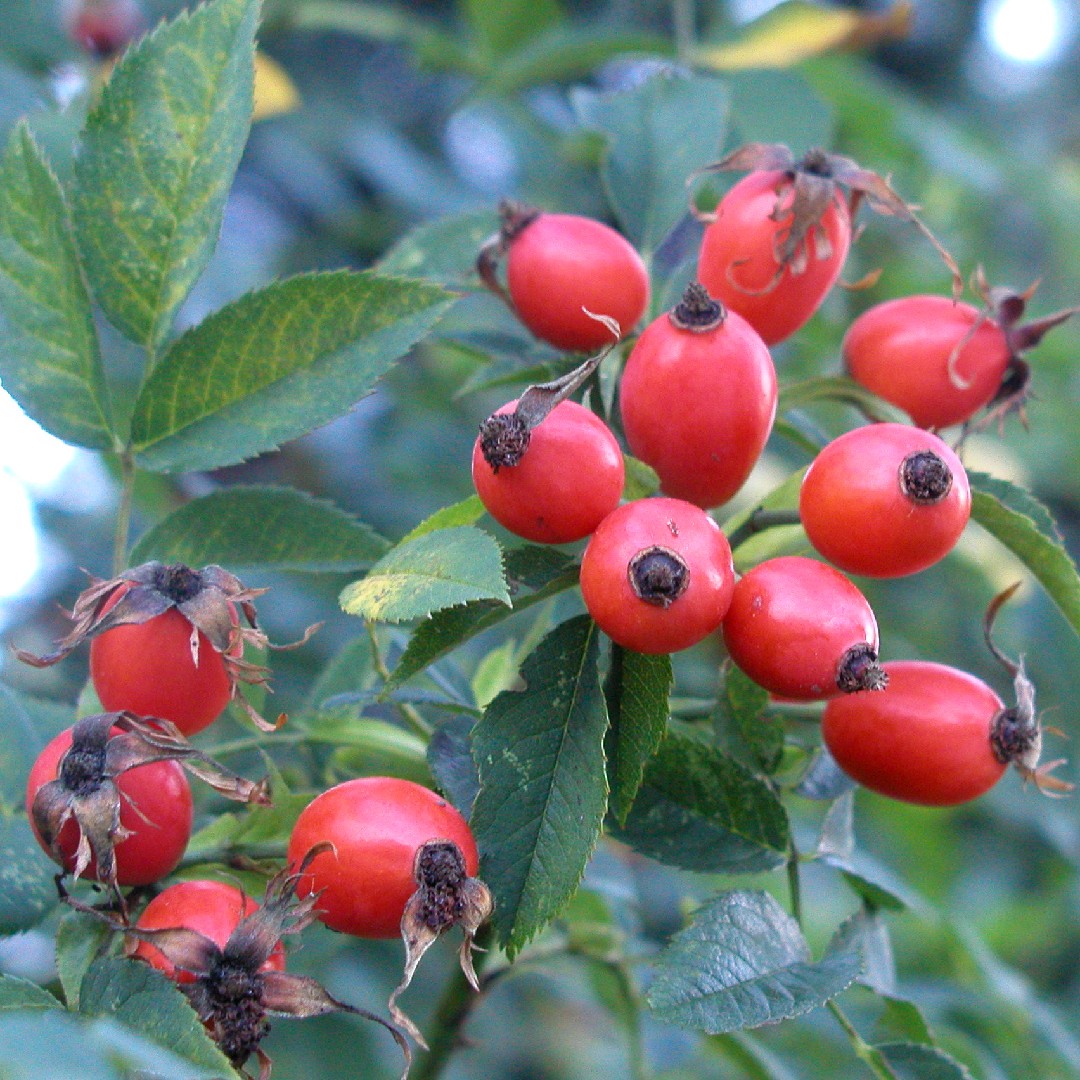
How to Use Dog Rose Safely
1. Rose Hip Tea
-
Made from dried rose hips
-
Supports immunity and digestion
-
Mild, slightly tart flavor
2. Rose Hip Powder
-
Often added to smoothies or yogurt
-
Concentrated source of nutrients
3. Rose Hip Oil
-
Used externally for skin care
-
Helps with scars, dryness, and skin repair
4. Capsules or Extracts
-
Available as supplements
-
Useful for joint and immune support
Who Should Be Careful Using Dog Rose?
Although generally safe, caution is advised for:
-
People with kidney stones (high vitamin C intake may increase risk)
-
Individuals on blood-thinning medication
-
Pregnant or breastfeeding individuals
-
People with allergies to plants in the Rosaceae family
Always consult a healthcare professional if you have underlying conditions.
Tips for Harvesting and Storage
-
Harvest rose hips after the first frost for best flavor
-
Avoid polluted areas or roadside plants
-
Remove seeds and hairs before use (they can irritate the throat)
-
Store dried hips in airtight containers away from light
Final Thoughts
Dog rose (Rosa canina) is far more than a wild plant growing along fences and forest paths. It is a nutrient-rich, medicinally valuable herb with benefits ranging from immune support and joint health to skin care and antioxidant protection.
While it should not replace medical treatment, dog rose can be a powerful natural ally when used correctly and consistently. Sometimes, the most valuable remedies are hiding in plain sight - waiting to be rediscovered.