If you’ve ever looked closely at a pair of women’s panties, you may have noticed a small extra layer of
fabric sewn into the crotch area. Sometimes it looks like a tiny flap or a subtle “pocket,” with one side left
unattached. Many people assume it’s decorative, a cost-saving shortcut, or even something unnecessary.
In reality, this small detail is one of the most important features of underwear design.
That extra layer is called a gusset, and it exists for very practical reasons related to anatomy, hygiene,
comfort, and durability. Far from being a design afterthought, the gusset is a carefully engineered solution
that quietly supports everyday health.
Below is a closer, more complete look at what this feature does and why it matters far more than most
people realize.
What Is the “Pocket” in Women’s Underwear?
The so-called pocket is not a pocket at all. It is a gusset: a double-layer, and sometimes triple-layer, piece
of fabric sewn into the crotch of underwear. In many designs, one edge of the gusset is left unattached,
which is why it appears pocket-like.
This construction has been standard in quality underwear for decades. It is intentional, functional, and
rooted in both garment engineering and human biology.
1. Hygiene and Breathability Come First
One of the gusset’s most important roles is improving airflow and maintaining a healthier environment in a
sensitive area.
Most underwear is made from synthetic materials such as polyester, nylon, or elastane. These fabrics
provide stretch, shape retention, and durability, but they are not particularly breathable. Trapping heat and
moisture can quickly lead to discomfort.
The gusset solves this problem by using breathable fabrics, most commonly cotton.
Why cotton matters:
-
It absorbs moisture efficiently
-
It allows air to circulate
-
It helps keep skin dry
This combination reduces the likelihood of:
-
Irritation and redness
-
Odor buildup
-
Yeast or bacterial imbalance
In short, the gusset creates a micro-environment that supports daily comfort and intimate health.
2. Moisture Absorption and All-Day Comfort
The body naturally produces moisture throughout the day. Without a protective absorbent layer, that
moisture would spread into the rest of the garment, making underwear feel damp and uncomfortable.
The gusset acts as a built-in absorbent zone. It captures moisture where it occurs and prevents it from
traveling outward.
This results in:
-
Greater comfort during long hours of wear
-
Less friction and chafing
-
Reduced skin sensitivity
Without a gusset, underwear would feel unhygienic and uncomfortable much faster, especially in warm
weather or during physical activity.
3. Protection from Irritating Fabrics and Seams
The crotch area is especially sensitive, and not all fabrics are skin-friendly. Synthetic fibers, dyes, elastic
threads, and seams can cause irritation when they come into direct contact with delicate skin.
The gusset acts as a protective barrier.
It is often:
-
Undyed or lightly dyed
-
Free from harsh chemical treatments
-
Made from soft, natural fibers
By placing this layer between the body and the rest of the garment, the gusset reduces direct exposure to
potential irritants and improves overall wearability.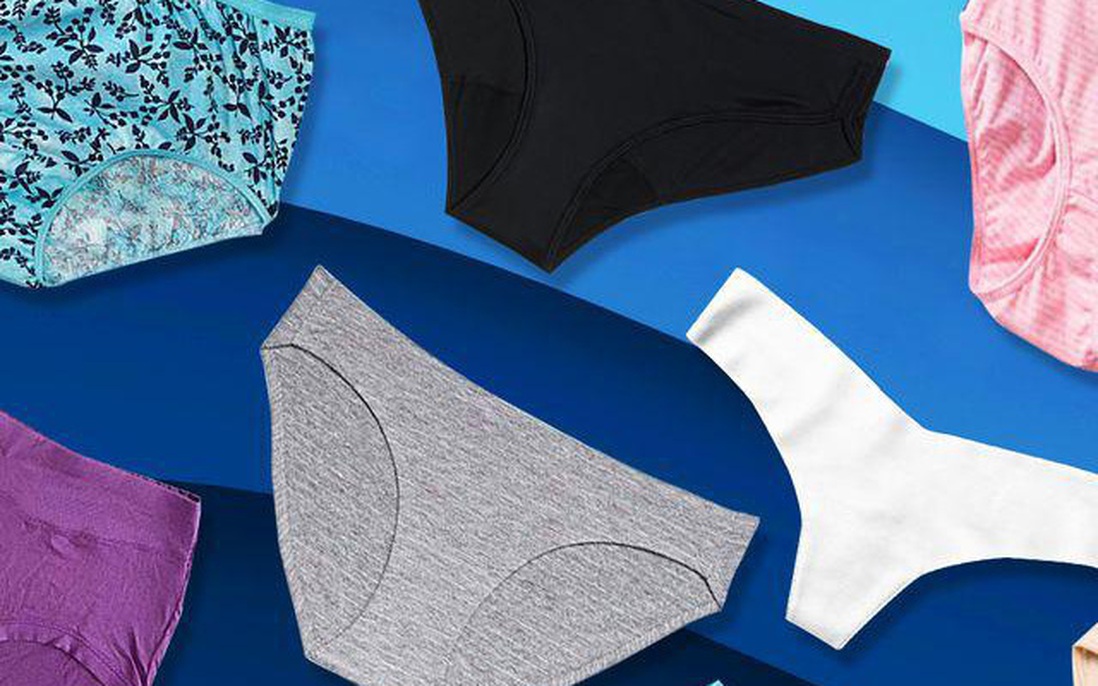
4. Better Fit and Structural Support
From a garment construction perspective, the gusset plays a key role in fit and movement.
It allows underwear to:
-
Stretch naturally with the body
-
Move comfortably while walking, sitting, or bending
-
Reduce tension on seams
This improves both comfort and durability. Without a gusset, stress would concentrate in the crotch
seams, increasing the risk of tearing or distortion over time.
In other words, the gusset helps underwear last longer while fitting better.
5. Why One Side Is Often Left Open
Many people wonder why the gusset is not fully sewn down on all sides. Leaving one edge unattached is a deliberate manufacturing choice.
This design allows manufacturers to:
-
Hide and protect raw seams
-
Reduce bulk in sensitive areas
-
Adjust sizing and shaping more precisely
It also minimizes seam irritation, making the garment smoother and more comfortable against the skin.
6. Practical Support During Menstrual and Postpartum Use
The gusset becomes especially important during menstruation and postpartum recovery.
It provides:
-
A stable surface for panty liners or pads
-
Additional absorbency
-
Extra protection against leaks
This makes everyday underwear more versatile and functional, even outside of standard daily wear.
7. Why Men’s Underwear Looks Different
A common question is why this feature is more noticeable in women’s underwear than in men’s.
The answer lies in anatomy and functional priorities.
Women’s underwear must prioritize:
-
Moisture management
-
Breathability
-
Gentle contact with sensitive skin
Men’s underwear, by contrast, focuses more on structural support and containment. While men’s
garments may include panels or pouches, the specific hygiene and airflow needs addressed by the gusset
are far more critical in women’s underwear.
Common Myths About the “Panty Pocket”
Myth: It’s for storage
Reality: It has no storage purpose whatsoever
Myth: It’s optional
Reality: High-quality underwear almost always includes a gusset
Myth: All gussets are the same
Reality: Fabric choice, thickness, and stitching greatly affect comfort and health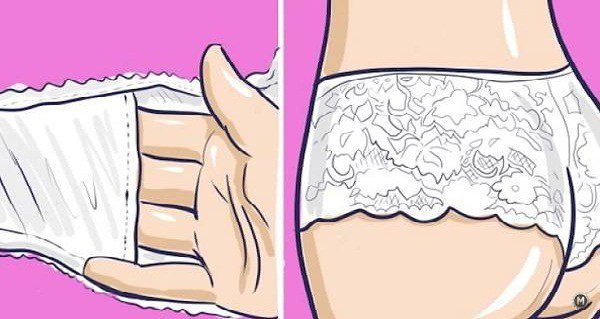
How to Choose Underwear with a Good Gusset
When shopping for underwear, pay attention to the gusset. Quality matters.
Look for:
-
100% cotton gussets
-
Soft, smooth edges
-
Secure, flat stitching
-
Breathable materials
Avoid gussets made entirely from synthetic fabrics, especially for daily wear.
Final Thoughts
That small “pocket” in women’s underwear is not a mystery or a design accident. It is a thoughtfully
engineered feature that quietly supports hygiene, comfort, fit, and health every day.
From moisture control and breathability to durability and skin protection, the gusset does essential work
without drawing attention to itself.
Sometimes, it’s the smallest details in clothing that make the biggest difference.