Chapter 1: Why Water Bamboo Has Become a Topic of Food-Safety Concern
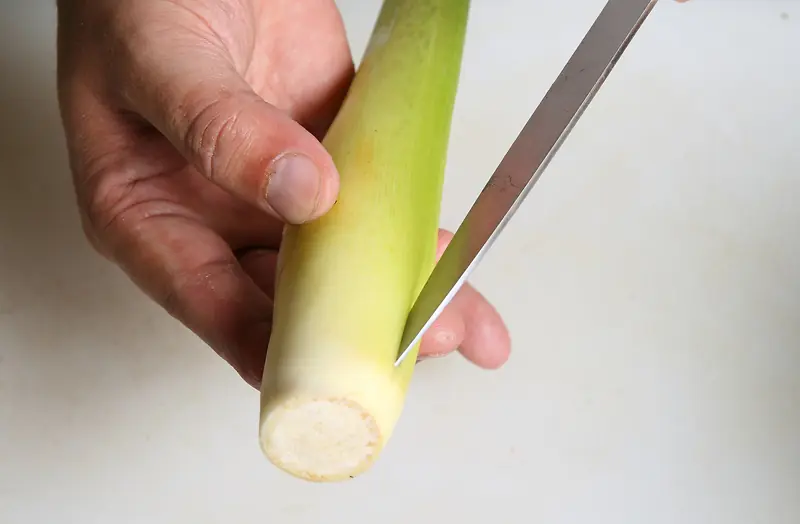
Water bamboo is a familiar ingredient in many Asian kitchens. Known for its delicate sweetness, crisp texture, and pale green appearance, this aquatic vegetable is used in stir-fries, soups, salads, and a variety of traditional dishes.
In some regions, it is eaten lightly cooked, while certain preparations may involve serving it raw or only partially cooked.
Its popularity comes from its versatility. Water bamboo can absorb the flavors of sauces and seasonings while retaining a pleasant crunch. It is also commonly considered a light vegetable that fits easily into everyday meals.
However, there is one important detail that consumers should understand: water bamboo grows in wet environments, and aquatic vegetables can sometimes become contaminated by organisms present in the water, soil, or surrounding agricultural environment.
This does not mean every water bamboo shoot carries parasites. It certainly does not mean that this vegetable is automatically dangerous.
The actual risk depends on where it was cultivated, the quality of the water, agricultural practices, handling procedures, and whether it was properly prepared before consumption.
Understanding the difference between water bamboo and ordinary vegetables
Water bamboo, scientifically known as Zizania latifolia, is an aquatic grass cultivated for its enlarged, edible stems.
Unlike many vegetables grown in relatively dry fields, water bamboo develops in environments where water plays an important role throughout its cultivation.
This characteristic makes it important to pay attention to the quality of the growing environment.
Freshwater ecosystems can contain microorganisms, parasites, and other biological contaminants. Some organisms have complicated life cycles involving aquatic snails, livestock, humans, and freshwater plants.
When certain parasite larvae attach themselves to edible aquatic plants, people may become infected if they consume contaminated plants without sufficient cooking.
The World Health Organization identifies raw or insufficiently cooked aquatic vegetables as one possible route of transmission for several foodborne parasitic infections.
However, it is important not to confuse this general food-safety risk with proof that water bamboo is the most contaminated vegetable. No reliable scientific ranking establishes it as number one.
World Health Organization+1
Why the growing environment matters
Imagine two baskets of water bamboo.
The first comes from a farm using properly managed water, clean harvesting equipment, and hygienic storage practices.
The second comes from an environment where water quality is uncertain and agricultural waste may contaminate the growing area.
Although both vegetables may look almost identical, their potential food-safety risks can be very different.
Contamination is not always visible.
A vegetable can appear fresh, clean, and perfectly edible while carrying microscopic organisms.
This is why consumers should not rely exclusively on appearance, smell, or taste when deciding whether an aquatic vegetable is safe to eat.
The source of the produce matters.
Vegetables obtained from reliable suppliers, inspected markets, and farms with appropriate hygiene practices are generally preferable to produce of uncertain origin.
The danger of assuming that fresh means safe
Many people believe that vegetables are safest when eaten immediately after harvesting.
Freshness is certainly valuable for quality and taste, but it does not automatically guarantee microbiological safety.
Freshly harvested produce can still carry contamination from soil, irrigation water, animal waste, insects, or handling surfaces.
Even vegetables that have been stored in refrigerators can retain certain microorganisms and parasites.
Washing helps remove dirt and reduce some surface contamination, but it cannot guarantee the removal of every parasite.
For certain aquatic plants, cooking is particularly important because some parasites can survive on the plant's surface.
The CDC explains that people can become infected with the intestinal parasite Fasciolopsis buski after eating raw or undercooked aquatic plants carrying its encysted larvae.
This parasite occurs in parts of South and Southeast Asia. Watercress is one recognized example of a plant that can transmit the infection.
CDC+1
The distinction is important: this establishes a risk associated with contaminated aquatic plants, not a finding that all water bamboo is contaminated.
Why consumers should pay attention
The biggest lesson is not that people should stop eating water bamboo.
Rather, consumers should understand that vegetables grown in aquatic environments deserve careful handling.
If the source is uncertain, eating the vegetable raw is an unnecessary risk.
Proper washing, peeling where appropriate, hygienic preparation, and thorough cooking can reduce the likelihood of foodborne infections.
A delicious vegetable should also be a safe vegetable.
Understanding where food comes from and how it should be prepared is one of the simplest ways to protect the entire family.
Chapter 2: The Parasites That Can Be Associated With Raw Aquatic Vegetables
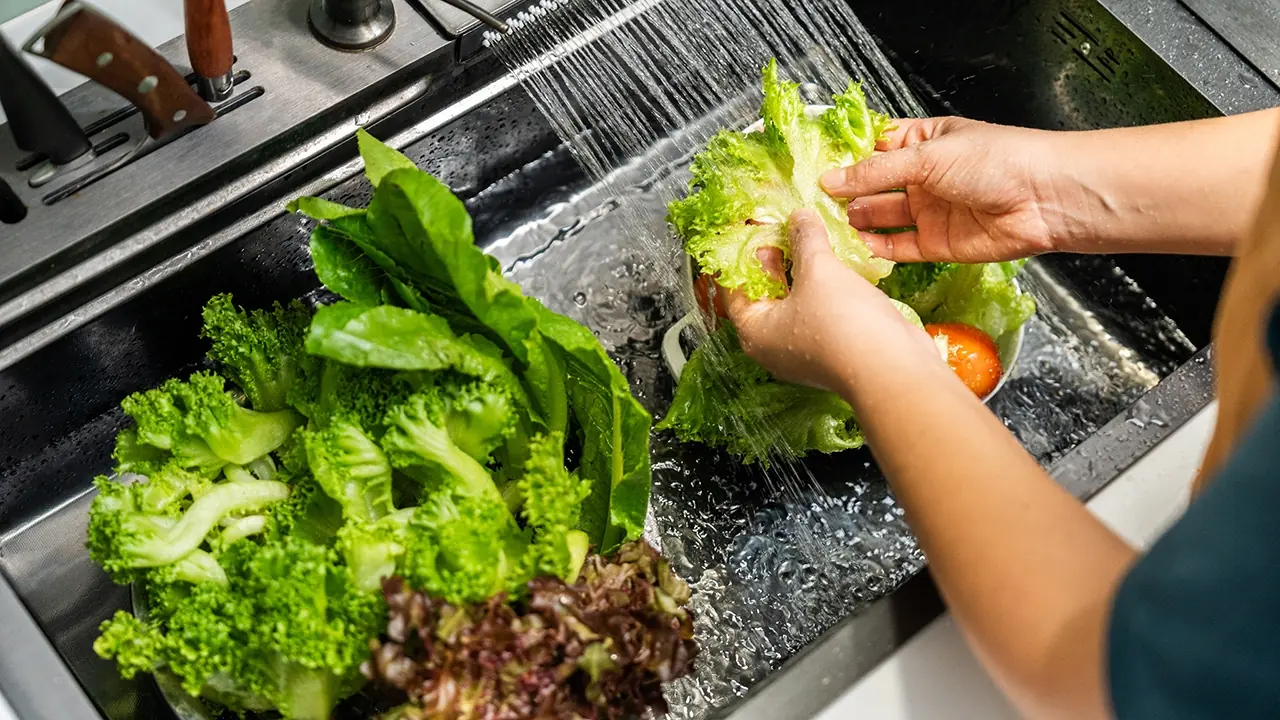
The word parasite often creates immediate fear.
People may imagine tiny worms entering the body and traveling through different organs. Social media posts sometimes make these stories even more frightening by suggesting that one particular vegetable can carry dangerous parasites directly into the brain.
The reality is more complicated.
Different parasites have different life cycles, preferred hosts, transmission routes, and effects on the human body.
Understanding these differences helps separate genuine food-safety concerns from exaggerated claims.
1. Fasciolopsis buski: An intestinal parasite
One parasite associated with raw aquatic vegetables is Fasciolopsis buski.
It is a large intestinal fluke found in parts of South and Southeast Asia.
Its life cycle involves humans or other mammals, freshwater environments, and aquatic snails.
The process begins when parasite eggs leave an infected host through feces.
Under suitable environmental conditions, the eggs develop in freshwater. The parasite then infects a suitable freshwater snail.
Inside the snail, it passes through several developmental stages before releasing larvae into the surrounding water.
These larvae can attach to aquatic plants and form protective cysts.
If someone eats contaminated plants without adequate cooking, the cysts may be swallowed.
Once inside the digestive system, the parasites can develop and attach to the intestinal wall.
The infection is known as fasciolopsiasis.
According to the CDC, many infected individuals may initially experience no noticeable symptoms.
However, some develop abdominal pain, diarrhea, nausea, or vomiting.
Heavy infections can lead to more serious complications, including intestinal obstruction, fever, swelling, and anemia.
CDC+1
This is a genuine medical concern, but it should not be interpreted as evidence that every aquatic vegetable carries this parasite.