What Does the Three-Dot Tattoo Represent?
In cultural and law enforcement contexts, the three-dot tattoo—usually arranged in a triangle pattern, typically placed on the hand between the thumb and index finger or near the eye—is most commonly associated with prison subculture. In various international gang communities (often referred to as "mi vida loca" or "my crazy life"), it symbolizes a lifestyle tied to gang affiliation, institutionalization, or outlaw culture.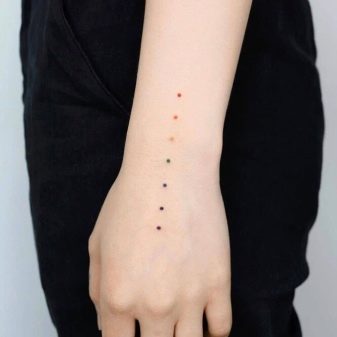

Separating Fact from Fiction
While internet rumors and viral headlines often sensationalize the symbol—suggesting immediate danger or specific criminal ranks—sociologists and law enforcement experts clarify that context is everything:
-
Not Always Gang-Related: In some cases, the three dots can represent religious symbolism, such as the Holy Trinity in Christian traditions, or personal milestones unrelated to criminal activity.
-
Symbol of Resilience: Historically, individuals within certain marginalized or incarcerated groups used simple, homemade tattoos to mark endurance through difficult hardships.
-
Varied Meanings Globally: Different cultures and subcultures interpret minimalist geometric tattoos in entirely unique ways, meaning a blanket assumption can often be misleading.
Conclusion
While the three-dot tattoo does carry significant historical ties to prison and gang subcultures, jumping to conclusions or panicking when encountering someone with the mark overlooks the complexity of individual expression. As with many body art symbols, understanding the background requires looking at the broader context rather than relying solely on online myths.
Note: Body art interpretations vary widely across different societies and eras. Always approach individual stories with empathy and open communication rather than preconceived stereotypes.