The thyroid may be a small gland, but it has a big impact on your overall health. Located at the front of the neck, this butterfly-shaped gland produces hormones that help regulate metabolism, energy production, body temperature, heart rate, digestion, and even mood. When the thyroid isn't functioning properly, it can affect nearly every organ system in the body.
As interest in natural wellness continues to grow, turmeric has become one of the most talked-about spices for its potential health benefits. Used for centuries in traditional cooking and herbal practices, turmeric contains a naturally occurring compound called curcumin, which has antioxidant and anti-inflammatory properties. While researchers continue to study its effects on various health conditions, many people wonder whether turmeric can also support thyroid health.
The answer is promising—but nuanced. Current research suggests that turmeric may help support overall health and reduce inflammation, which could indirectly benefit thyroid wellness. However, there is no strong evidence that turmeric can treat thyroid disorders or replace prescribed medications. Understanding what turmeric can—and cannot—do is essential for making informed health decisions.
Let's take a closer look at the science behind turmeric and its potential role in supporting a healthy thyroid.
Understanding the Thyroid
The thyroid gland produces two main hormones:
-
Thyroxine (T4)
-
Triiodothyronine (T3)
These hormones regulate how your body uses energy. They influence:
-
Metabolism
-
Heart rate
-
Body temperature
-
Brain function
-
Muscle performance
-
Digestive activity
-
Cholesterol metabolism
-
Growth and development
The production of thyroid hormones is controlled by thyroid-stimulating hormone (TSH), which is released by the pituitary gland in the brain.
When this system becomes disrupted, thyroid disorders can develop.
Common Thyroid Conditions
Hypothyroidism
Hypothyroidism occurs when the thyroid produces too little hormone.
Common symptoms include:
-
Fatigue
-
Weight gain
-
Dry skin
-
Constipation
-
Feeling cold
-
Depression
-
Hair thinning
-
Slow heart rate
One of the most common causes is Hashimoto's thyroiditis, an autoimmune condition.
Hyperthyroidism
Hyperthyroidism develops when the thyroid produces excessive hormones.
Symptoms often include:
-
Weight loss
-
Rapid heartbeat
-
Anxiety
-
Tremors
-
Heat intolerance
-
Increased sweating
-
Difficulty sleeping
Graves' disease is the most common autoimmune cause.
What Makes Turmeric Special?
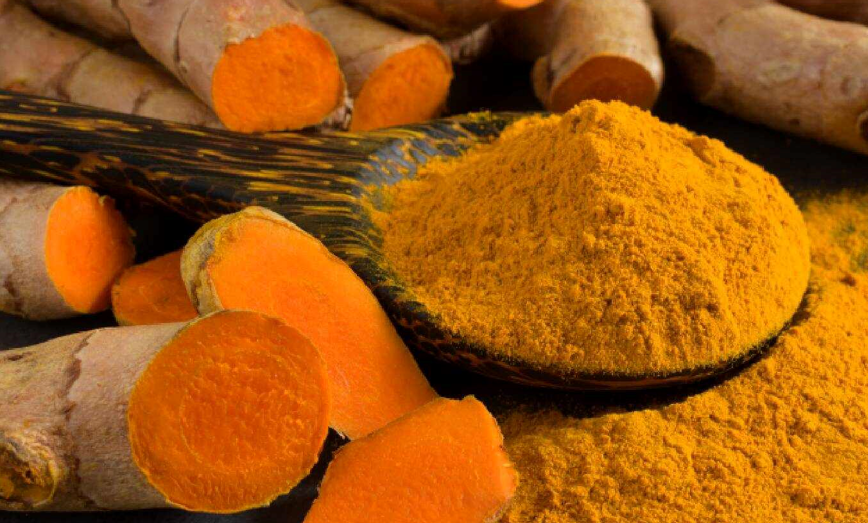
Turmeric is the bright yellow spice commonly used in curry dishes.
Its primary active compound is curcumin, which has been widely studied for its biological activity.
Curcumin is known for:
-
Antioxidant properties
-
Anti-inflammatory activity
-
Supporting normal immune function
-
Helping protect cells from oxidative stress
These characteristics have made turmeric a popular ingredient in wellness-focused diets.
The Role of Oxidative Stress
Every day, your body's cells produce molecules called free radicals.
Normally, antioxidants neutralize these unstable molecules.
When free radicals outnumber antioxidants, oxidative stress occurs.
Oxidative stress has been associated with aging and many chronic diseases, including some thyroid conditions.
Curcumin's antioxidant properties may help reduce oxidative stress, potentially supporting healthy cells—including those in the thyroid.
Inflammation and Thyroid Health
Some thyroid disorders involve chronic inflammation.
For example, Hashimoto's thyroiditis is an autoimmune disease in which the immune system mistakenly attacks thyroid tissue.
Curcumin has been shown in laboratory and animal studies to influence inflammatory pathways.
While this research is encouraging, large human clinical trials are still limited, and more evidence is needed before drawing firm conclusions about turmeric's role in thyroid disease.
Can Turmeric Improve Thyroid Function?
This is one of the biggest questions surrounding turmeric.
Currently, there is no strong scientific evidence that turmeric can:
-
Increase thyroid hormone production
-
Reverse hypothyroidism
-
Cure Hashimoto's disease
-
Treat Graves' disease
-
Replace thyroid medication
However, turmeric may contribute to overall health by supporting the body's natural antioxidant defenses and healthy inflammatory responses.
For individuals with healthy thyroid function, including turmeric as part of a balanced diet is generally considered safe and nutritious.
Curcumin and Immune Health
Autoimmune thyroid disorders involve an overactive immune response.
Researchers are studying whether curcumin's effects on immune signaling could one day play a supportive role.
At present, this area remains under investigation.
People with autoimmune thyroid disease should continue following their healthcare provider's treatment plan.
Other Nutrients That Support Thyroid Health
A healthy thyroid depends on several essential nutrients.
Iodine
Iodine is necessary for thyroid hormone production.
Good sources include:
-
Seafood
-
Dairy products
-
Eggs
-
Iodized salt
Both too little and too much iodine can affect thyroid function, so moderation is important.
Selenium
Selenium helps activate thyroid hormones and protects thyroid cells from oxidative damage.
Foods rich in selenium include:
-
Brazil nuts
-
Tuna
-
Sardines
-
Turkey
-
Eggs
Zinc
Zinc plays a role in hormone production and immune function.
Good sources include:
-
Beef
-
Pumpkin seeds
-
Chickpeas
-
Lentils
-
Cashews
Iron
Iron deficiency may interfere with normal thyroid hormone production.
Iron-rich foods include:
-
Lean meats
-
Beans
-
Lentils
-
Spinach
-
Fortified cereals
Pair plant-based iron with vitamin C-rich foods to improve absorption.
Vitamin D
Many people with autoimmune conditions have low vitamin D levels.
Although supplementation isn't appropriate for everyone, maintaining healthy vitamin D status is important for overall wellness.
A Thyroid-Friendly Turmeric Recipe
One enjoyable way to include turmeric in your diet is through a warm turmeric latte.
Ingredients
-
1 cup unsweetened milk or fortified plant milk
-
½ teaspoon ground turmeric
-
A pinch of black pepper
-
½ teaspoon cinnamon
-
Small piece of fresh ginger (optional)
-
Honey to taste (optional)
Instructions
Warm the milk without boiling.
Whisk in turmeric, cinnamon, ginger, and black pepper.
Heat for several minutes.
Sweeten lightly if desired.
Enjoy warm.
Black pepper contains piperine, which significantly improves curcumin absorption.
Lifestyle Habits That Support Thyroid Health
Nutrition is only one part of maintaining thyroid wellness.
Healthy daily habits also matter.
These include:
-
Eating a balanced diet
-
Exercising regularly
-
Managing stress
-
Getting adequate sleep
-
Avoiding smoking
-
Limiting excessive alcohol
-
Following prescribed treatment if you have thyroid disease
-
Attending regular medical checkups
Can You Take Turmeric Every Day?
For most healthy adults, using turmeric as a culinary spice is considered safe.
However, concentrated turmeric or curcumin supplements are different.
High-dose supplements may interact with certain medications, including:
-
Blood thinners
-
Diabetes medications
-
Some chemotherapy drugs
People with gallbladder disease should also speak with a healthcare provider before taking turmeric supplements.
Pregnant or breastfeeding individuals should consult their healthcare provider regarding supplement use.
Frequently Asked Questions
Is turmeric good for hypothyroidism?
Turmeric can be part of a healthy diet, but there is no convincing evidence that it treats hypothyroidism or replaces thyroid hormone medication.
Can turmeric cure Hashimoto's disease?
No.
Hashimoto's is an autoimmune condition that requires proper medical management.
Research into curcumin is ongoing, but it is not a cure.
Is turmeric safe with thyroid medication?
Using turmeric in normal cooking is generally considered safe for most people.
If you take thyroid medication or turmeric supplements, discuss them with your healthcare provider to ensure they are appropriate for your individual situation.
Should I take turmeric supplements?
Most people can obtain turmeric through food.
Supplements may not be necessary unless recommended by a healthcare professional.
The Bottom Line
Turmeric is a flavorful spice with a long history of culinary use and a growing body of scientific research supporting its antioxidant and anti-inflammatory properties. While these characteristics make turmeric an excellent addition to a healthy diet, current evidence does not support claims that it can cure thyroid disease, restore thyroid hormone levels, or replace medical treatment.
Instead, turmeric may contribute to overall wellness by helping reduce oxidative stress and supporting normal immune function when included as part of a balanced lifestyle. Pairing turmeric with black pepper can improve the absorption of curcumin, making it easier for the body to utilize its beneficial compounds.
For optimal thyroid health, focus on a nutrient-rich diet that includes adequate iodine, selenium, zinc, iron, and vitamin D, stay physically active, manage stress, and follow your healthcare provider's recommendations if you have a thyroid condition. Small, consistent healthy habits—including enjoying turmeric in everyday meals—can support your overall health while allowing your thyroid to function as effectively as possible.