A Legacy of Health: Soong Mei-ling – The Remarkable Longevity and Her Fight Against Cancer
How did Soong Mei-ling, one of the most influential women of 20th-century China, live to the age of 105 despite reportedly facing cancer? Her extraordinary life has inspired decades of curiosity about her diet, daily habits, personal discipline, and approach to aging.
Soong Mei-ling, widely known as Madame Chiang Kai-shek, was more than a political figure. She was a diplomat, public speaker, cultural personality, and a woman whose life crossed three centuries. Her longevity became a subject of fascination, particularly because accounts of her health history describe serious medical challenges during her lifetime.
The story behind her remarkable age is not simply about eating vegetables, drinking healthy beverages, or following a strict schedule. It is also about the importance of medical care, personal habits, emotional resilience, and the limits of what anyone can learn from a single person's experience.
But one particular aspect of her reported health journey has attracted special attention: her battle with cancer and the lifestyle habits she was said to maintain afterward.
To understand why her story continues to fascinate people, it is worth looking beyond the familiar portrait and examining the different stages of her life.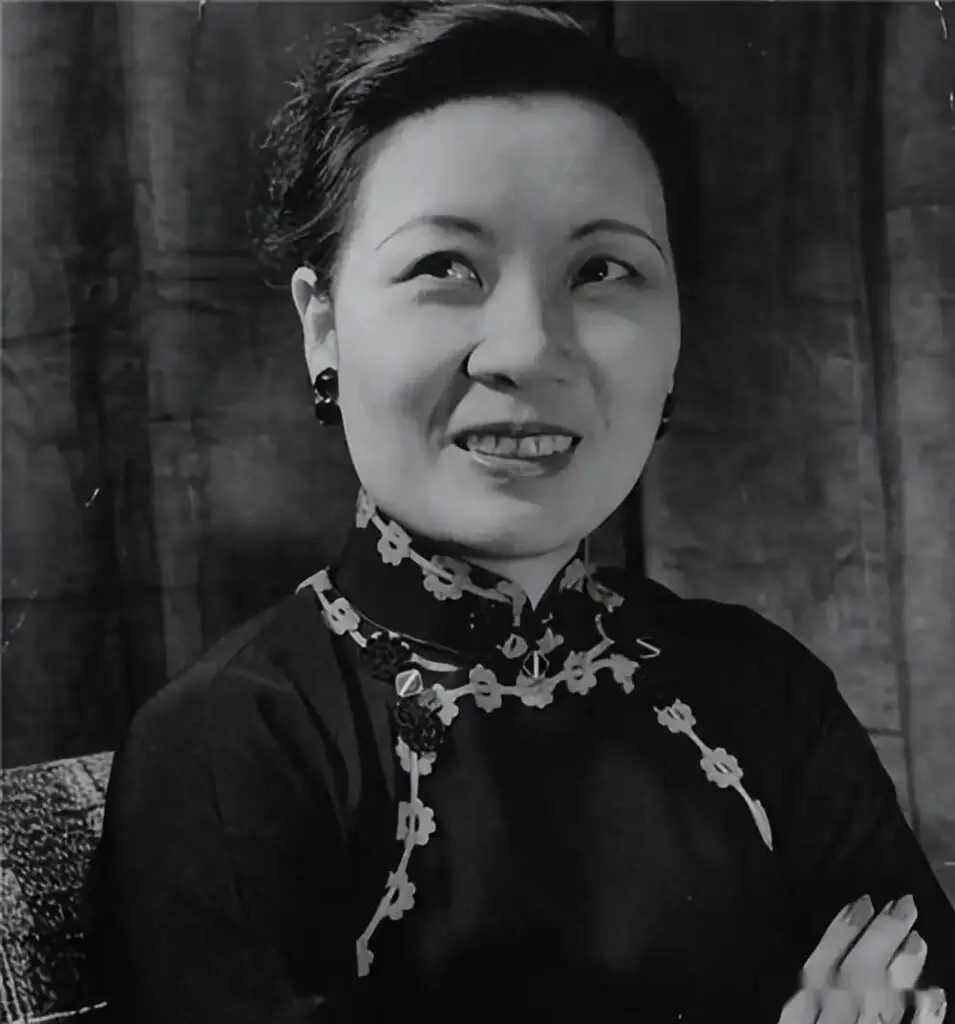
The Woman Behind the Famous Name
Born in Shanghai in the late 19th century, Soong Mei-ling became one of the most recognizable Chinese women of her generation.
She was the youngest daughter of Charlie Soong, a businessman and influential family figure. Her childhood was shaped by an unusual combination of Chinese traditions, Christian education, and exposure to American culture.
At a time when educational opportunities for Chinese women were limited, her family sent her to the United States.
She attended Wesleyan College in Georgia before transferring to Wellesley College in Massachusetts, where she graduated in 1917 with a degree in English literature.
This education gave her more than academic knowledge. She became fluent in English, developed an understanding of American society, and learned how to communicate confidently with people from different cultural backgrounds.
Those abilities would eventually make her an important figure in international diplomacy.
In 1927, she married Chiang Kai-shek, the Nationalist political and military leader who would become one of the most consequential figures in modern Chinese history.
Her marriage brought her into the center of political life, but she was never simply a ceremonial wife.
She participated in diplomatic activities, translated for her husband, delivered speeches, organized charitable initiatives, and became an influential representative of Nationalist China abroad.
Her ability to communicate with Western audiences was particularly important during the Second Sino-Japanese War.
In 1943, she traveled to the United States and addressed the American Congress, appealing for greater support for China during its struggle against Japanese aggression. Her appearance attracted considerable attention and demonstrated her ability to command an international audience.
This was the woman whose portrait eventually became associated with elegance, determination, and an extraordinary lifespan.
However, her public achievements tell only part of the story.
Behind the formal photographs and political ceremonies was someone who also had to deal with the ordinary vulnerabilities of human life, including illness, aging, and the need to maintain her health.
The Cancer Story That Made Her Longevity Even More Remarkable
One of the most frequently repeated stories about Soong Mei-ling concerns her reported battle with breast cancer.
Accounts circulated in Chinese-language publications describe her undergoing breast cancer operations and continuing to live for decades afterward.
Some popular accounts place the beginning of her cancer experience around the age of 40. Other retellings focus on two reported operations.
These details have contributed to the widespread impression that she overcame a serious medical challenge and subsequently enjoyed an exceptionally long life.
There is, however, an important distinction between a widely repeated biographical account and a fully documented medical history.
The publicly accessible historical biographies and archival records do not provide a complete medical file establishing the exact diagnosis date, cancer stage, treatment details, or the precise circumstances of the reported operations.
For that reason, the story should be described as a reported part of her health history rather than presented as a fully verified medical chronology.
Nevertheless, the account has remained popular because it raises an important question: how did someone who reportedly faced such a serious illness continue living for so many decades?
The answer cannot be reduced to one vegetable, one drink, or one traditional remedy.
Cancer survival depends on many factors, including the type of cancer, its stage, the treatment available, the patient's overall health, and the response to medical care.
It is also important to remember that cancer treatment during the early and middle decades of the 20th century was very different from modern oncology.
Surgery played a major role in treating many cancers, while diagnostic tools, chemotherapy, radiation techniques, and supportive care gradually developed over subsequent decades.
A person who lived through that period experienced enormous changes in medicine.
Soong Mei-ling's longevity is therefore interesting not because it proves that a particular lifestyle can defeat cancer, but because it illustrates how a long life can continue after serious health challenges.
Her experience also offers an opportunity to discuss the practical habits that matter for healthy aging today.
The Eating Habits That Became Part of Her Legacy
Perhaps the most fascinating part of the story is the attention given to her everyday meals.
According to accounts published in Chinese health and lifestyle media, Soong Mei-ling paid considerable attention to the quality and quantity of the food she consumed.
Rather than eating very large meals, she reportedly preferred smaller portions throughout the day.
Some accounts describe a routine of approximately five meals daily, with each meal kept relatively modest.
This approach is often summarized by the Chinese expression of eating less at each sitting while maintaining a balanced nutritional intake.
The idea is simple: instead of waiting until extreme hunger develops and then consuming a large meal, a person can distribute food intake throughout the day.
For some older adults, this pattern may be helpful, particularly when appetite is reduced or large meals cause discomfort.
However, eating five times daily is not automatically healthier than eating three times daily.
The appropriate schedule depends on a person's nutritional needs, medical conditions, medication schedule, activity level, and personal preferences.
The more important lesson from these accounts is the attention given to food quality and portion awareness.
A healthy eating pattern does not require expensive ingredients or complicated recipes.
It can begin with familiar foods prepared thoughtfully.
Vegetables, fruits, whole grains, fish, eggs, beans, and moderate portions of healthy fats can provide a wide range of nutrients.
The key is variety.
One of the problems with modern eating habits is that convenience sometimes becomes more important than nutritional balance.
Packaged snacks, sugary drinks, oversized portions, and heavily processed meals can gradually become everyday habits.
For older adults, these patterns may contribute to weight gain, poor blood sugar control, and cardiovascular problems.
The traditional approach associated with Soong Mei-ling emphasizes moderation rather than excess.
That principle remains relevant today.
Why Smaller Portions May Be Helpful
As people grow older, their energy requirements may change.
Muscle mass can gradually decline, physical activity may decrease, and appetite can become less predictable.
Some older adults find that eating a large meal makes them uncomfortable or causes bloating.
Smaller meals may help distribute food intake more comfortably.