Pumpkin also contains vitamin C, although the amount may vary depending on preparation and storage. Vitamin C is involved in several important processes, including the production of collagen, a protein that helps support the structure of skin, blood vessels, and other tissues. It also acts as an antioxidant and supports normal immune function.
Antioxidants are substances that help the body manage oxidative stress. Oxidative stress occurs when the balance between reactive molecules and the body's protective systems becomes disrupted. This process is involved in normal biological activity, but excessive oxidative stress can contribute to cellular damage. Foods containing antioxidant compounds are part of dietary patterns associated with overall health, although no single antioxidant-rich food can independently prevent disease.
The nutrients in pumpkin may also support the body's immune system. Vitamin A helps maintain the integrity of tissues that act as barriers against pathogens, including tissues in the respiratory and digestive systems. Vitamin C contributes to normal immune function and helps support several cellular processes involved in the body's response to infection.
It is important to understand what immune support actually means. Eating pumpkin does not guarantee that a person will avoid colds, flu, or other infections. The immune system is influenced by many factors, including sleep, stress, physical activity, underlying health conditions, vaccination status, and overall nutrition. Pumpkin can contribute useful nutrients, but it is not a substitute for medical care or preventive measures.
The skin is another area where pumpkin's nutrients may play a supporting role. Vitamin A is important for the normal maintenance of skin and other epithelial tissues. Vitamin C is involved in collagen production, which contributes to skin structure. A diet that includes a variety of fruits and vegetables can help provide nutrients needed for normal skin function.
Some people may be tempted to interpret these nutrients as evidence that pumpkin can dramatically improve wrinkles, reverse aging, or treat skin conditions. Those claims would go beyond what can be established from the nutritional content of pumpkin alone. Skin health is affected by genetics, sun exposure, hydration, hormones, medications, environmental conditions, and many other factors.
Pumpkin also contains potassium, a mineral that plays a role in fluid balance, nerve signaling, and muscle function. Potassium is particularly important for maintaining normal electrical activity in the body, including that of the heart. Adequate potassium intake from food is part of a healthy dietary pattern and may support normal blood pressure regulation when combined with other beneficial habits.
The relationship between potassium and blood pressure is complex. Potassium can help counter some of the effects of sodium, but the impact of an individual's diet depends on overall food intake and health status. People with kidney disease or those taking certain medications may need to monitor potassium intake under medical guidance. For those individuals, eating large amounts of potassium-rich foods without considering their medical situation may not be appropriate.
Pumpkin seeds add another dimension to the nutritional picture. They contain magnesium, zinc, protein, and unsaturated fats. Magnesium participates in hundreds of biochemical processes, including those involved in muscle and nerve function. Zinc is important for immune function, wound healing, and many enzymatic processes. Unsaturated fats can contribute to a balanced diet when they replace less healthy sources of fat.
The seeds can be eaten roasted, added to salads, sprinkled over oatmeal, or incorporated into homemade trail mixes. However, salted pumpkin seeds may contain substantial sodium, and flavored varieties may include additional ingredients. Choosing unsalted or lightly salted seeds can be a useful option for people who are trying to manage sodium intake.
The combination of pumpkin flesh and seeds demonstrates why looking at a food as a whole can be useful. The flesh provides water, fiber, and carotenoid-related nutrients, while the seeds provide a more concentrated source of fats, protein, and certain minerals. They are different foods nutritionally, but both can fit into a varied eating pattern.
The surprising part is that many of these benefits are not dramatic or immediately noticeable. A person may not feel their eyesight improving after eating pumpkin, nor will they necessarily notice a change in their immune system or blood pressure. Nutrition often works quietly, through the repeated contribution of nutrients over time.
Yet how pumpkin is prepared can significantly influence whether it remains a nutritious choice or becomes part of a meal loaded with ingredients that overshadow its benefits.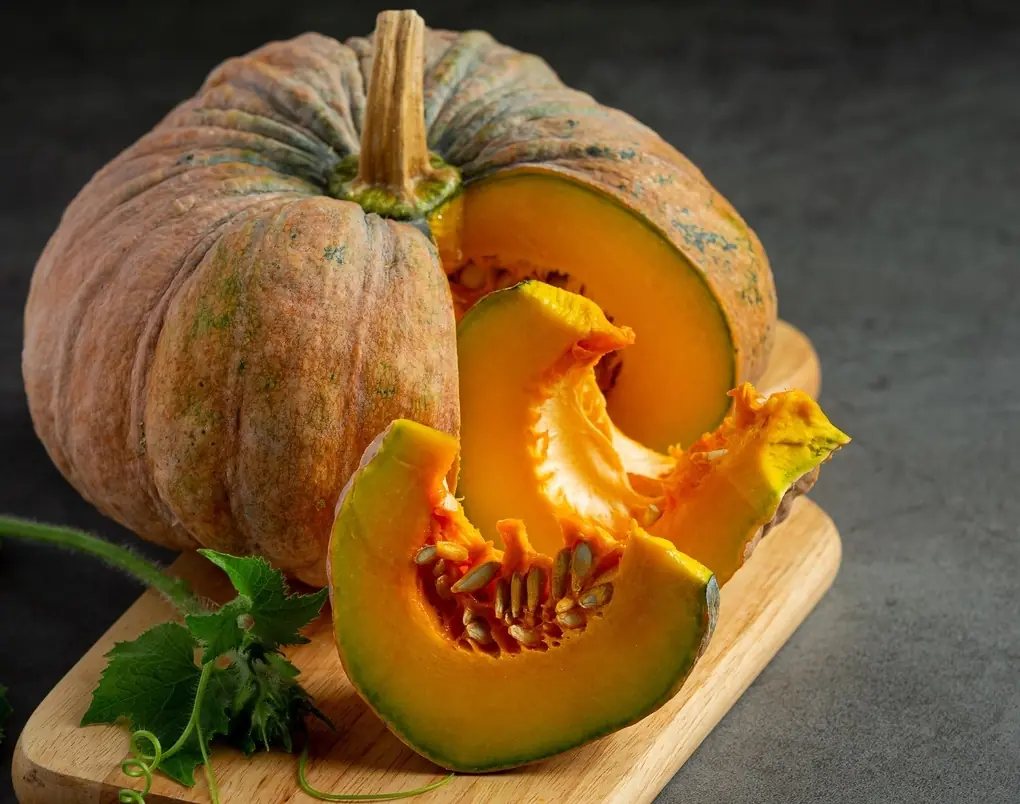
Chapter 4: How to Eat Pumpkin, Who Should Be Careful, and What Matters Most
Pumpkin can be prepared in many different ways, making it one of the more versatile vegetables to include in a balanced diet. Roasting pumpkin cubes is a simple method that brings out its natural sweetness. Steaming can help preserve its soft texture without requiring much added fat. Pumpkin soup can be prepared with onions, garlic, herbs, beans, or other vegetables to create a nourishing meal.