
The Truth About Sleeping on Your Right Side—and How It May Affect Your Body.
Your Favorite Sleeping Position Could Affect More Than You Think.
Health 29/07/2026 12:31
Protein is one of the most important nutrients your body needs every day. While it's often associated with athletes and bodybuilders, protein plays a vital role in nearly every aspect of health. From building muscles and repairing tissues to producing hormones, enzymes, and immune cells, this essential macronutrient supports your body from head to toe.
Many people wonder whether they're getting enough protein—or whether they should eat more. The answer depends on factors such as age, activity level, body size, and overall health. Most healthy adults can meet their protein needs through a balanced diet that includes a variety of nutrient-rich foods.
Rather than focusing on protein powders or supplements, experts generally recommend obtaining most of your protein from whole foods whenever possible. Whole food sources provide not only protein but also vitamins, minerals, healthy fats, fiber, and other beneficial nutrients.
Here are 9 protein-packed foods that can help support muscle strength and overall wellness.
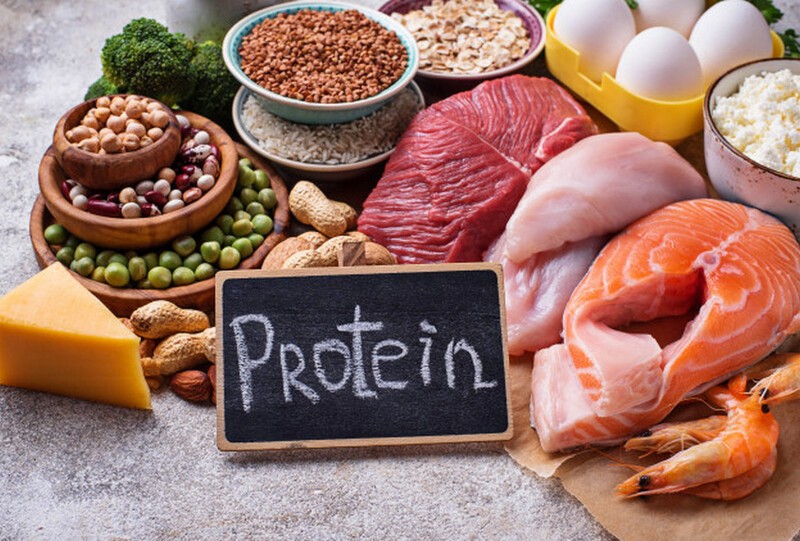
Protein is made up of amino acids, often called the building blocks of life. Your body uses amino acids to:
Build and repair muscles
Maintain healthy bones
Produce enzymes and hormones
Support immune function
Help heal wounds
Build healthy skin, hair, and nails
Transport nutrients throughout the body
Preserve lean body mass during aging
Unlike fat, the body does not store large reserves of protein, making regular intake through food important.
Protein requirements vary.
Factors that influence your needs include:
Age
Body weight
Physical activity
Pregnancy and breastfeeding
Recovery from illness or surgery
Certain medical conditions
General guidelines suggest that most healthy adults need at least 0.8 grams of protein per kilogram of body weight per day, while older adults, highly active individuals, and people engaged in resistance training may benefit from higher intakes under professional guidance.
Instead of consuming most of your protein in one meal, many nutrition experts recommend spreading protein intake throughout the day.
Eggs are often considered one of the highest-quality protein sources because they contain all nine essential amino acids.
One large egg provides approximately 6–7 grams of protein, along with important nutrients such as:
Vitamin B12
Choline
Selenium
Vitamin D (small amounts)
Eggs are also highly versatile and can be enjoyed boiled, scrambled, poached, or added to salads and grain bowls.
Current research suggests that, for most healthy people, moderate egg consumption can fit into a heart-healthy eating pattern.
Greek yogurt contains significantly more protein than regular yogurt because much of the liquid whey has been removed.
A typical serving may provide 15–20 grams of protein, depending on the brand.
It also supplies:
Calcium
Probiotics (in products containing live cultures)
Vitamin B12
Potassium
Greek yogurt makes an excellent breakfast, snack, or post-workout meal when paired with fruit, nuts, or seeds.
Choose plain varieties when possible to reduce added sugar intake.
Chicken breast is one of the leanest and most popular protein sources.
A cooked serving provides around 30 grams of protein while remaining relatively low in saturated fat.
Chicken also contains:
Niacin (Vitamin B3)
Vitamin B6
Phosphorus
Selenium
Grilling, baking, roasting, or air frying are healthier preparation methods than deep frying.
Salmon offers the unique combination of high-quality protein and heart-healthy omega-3 fatty acids.
A typical serving provides approximately 22–25 grams of protein.
Salmon is also rich in:
Vitamin D
Selenium
Vitamin B12
Potassium
Regular fish consumption has been associated with heart and brain health as part of an overall balanced diet.
Aim for two servings of oily fish per week unless advised differently by your healthcare provider.
Lentils are one of the best plant-based protein sources.
One cooked cup provides around 18 grams of protein along with:
Fiber
Iron
Folate
Potassium
Magnesium
The combination of protein and fiber helps promote fullness and supports digestive health.
Lentils can be used in soups, salads, curries, tacos, and grain bowls.
Cottage cheese has become increasingly popular because it provides a large amount of protein with relatively few calories.
One serving typically contains 25–28 grams of protein.
It also supplies:
Calcium
Phosphorus
Vitamin B12
Enjoy it with berries, sliced tomatoes, herbs, or whole-grain toast for a balanced meal or snack.
Tofu is made from soybeans and is a complete plant protein, meaning it provides all nine essential amino acids.
Half a cup generally provides 10–15 grams of protein, depending on firmness.
Tofu is also a source of:
Calcium (if calcium-set)
Iron
Magnesium
Manganese
Because it absorbs flavors well, tofu works in stir-fries, soups, curries, salads, and grilled dishes.
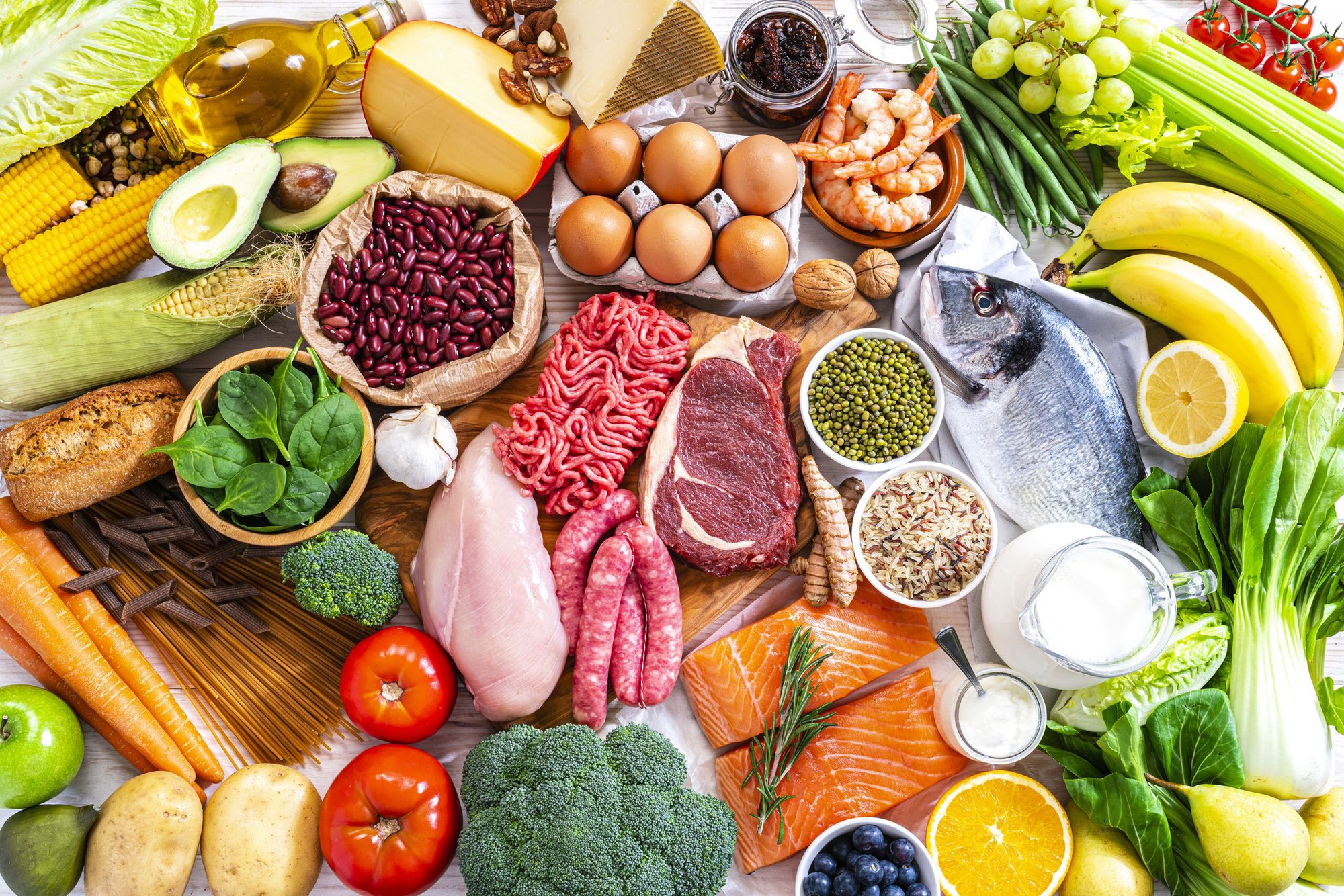
Beans are affordable, versatile, and highly nutritious.
Popular varieties include:
Black beans
Kidney beans
Pinto beans
Navy beans
Cannellini beans
One cooked cup generally provides 14–16 grams of protein along with generous amounts of fiber.
Regular bean consumption has been associated with improved heart health, better blood sugar management, and digestive health.
Although not as protein-rich as meat or dairy, nuts and seeds provide protein along with healthy fats and important micronutrients.
Examples include:
Almonds
Pistachios
Pumpkin seeds
Chia seeds
Hemp seeds
Sunflower seeds
These foods provide:
Healthy unsaturated fats
Magnesium
Zinc
Vitamin E
Fiber
Because they are energy-dense, moderate portions are recommended.
Both animal and plant proteins can be part of a healthy diet.
Examples include:
Fish
Poultry
Eggs
Dairy
Lean meat
Advantages:
Complete proteins
Highly digestible
Rich in vitamin B12
Often contain highly absorbable iron
Examples include:
Beans
Lentils
Chickpeas
Soy foods
Nuts
Seeds
Advantages:
Naturally rich in fiber
Lower in saturated fat
Rich in phytochemicals
Environmentally sustainable
A combination of both can help many people meet their nutritional needs, although well-planned vegetarian and vegan diets can also provide adequate protein.
While total daily protein intake is most important, timing may also play a role.
Many experts suggest including protein at:
Breakfast
Lunch
Dinner
After resistance exercise
Distributing protein evenly throughout the day may better support muscle protein synthesis compared with consuming most of it in one meal.
For healthy individuals, high-protein diets are generally well tolerated when balanced with adequate fluids and a variety of nutritious foods.
However, excessive protein intake may not provide additional benefits and could crowd out other important nutrients if the diet becomes unbalanced.
People with chronic kidney disease or certain metabolic disorders should consult their healthcare provider regarding appropriate protein intake.
As we age, maintaining muscle mass becomes increasingly important.
Age-related muscle loss, known as sarcopenia, can contribute to weakness, falls, and reduced independence.
Research suggests that combining:
Adequate protein
Resistance exercise
Regular physical activity
may help older adults preserve muscle strength and physical function.
Protein can be a helpful part of a balanced weight-management plan.
Compared with carbohydrates or fats, protein often:
Increases feelings of fullness
Helps preserve lean muscle during weight loss
Requires slightly more energy to digest
However, successful long-term weight management depends on overall calorie balance, food quality, physical activity, and sustainable habits.
Simple strategies include:
Add Greek yogurt to breakfast.
Include eggs several times per week.
Replace processed snacks with cottage cheese.
Add beans to soups and salads.
Choose grilled chicken instead of fried options.
Include fish in your weekly meal plan.
Snack on a handful of nuts.
Add tofu to stir-fries.
Sprinkle seeds over oatmeal or salads.
Small changes can significantly increase your daily protein intake.
Greek yogurt topped with berries, chia seeds, and chopped almonds.
A boiled egg and an apple.
Grilled chicken breast with quinoa, roasted vegetables, and a spinach salad.
Cottage cheese with sliced peaches.
Baked salmon with brown rice, steamed broccoli, and lentil salad.
This eating pattern provides protein throughout the day while also delivering fiber, healthy fats, vitamins, and minerals.
Everyone needs protein every day, regardless of activity level.
Muscle growth also requires resistance training, sufficient calories, recovery, and adequate sleep.
Simply eating large amounts of protein will not automatically increase muscle mass.
Plant proteins can fully meet nutritional needs when consumed as part of a varied diet that includes different protein-rich foods.
Most healthy adults can meet their protein needs through food alone.
Supplements may be useful in specific situations but are not required for everyone.
Many affordable protein sources include:
Eggs
Beans
Lentils
Canned tuna
Cottage cheese
Plain yogurt
Peanut butter
Healthy eating does not have to be costly.
Protein is essential, but it works best as part of an overall healthy lifestyle.
To support muscle strength and overall wellness:
Eat a variety of whole foods.
Include fruits and vegetables daily.
Choose whole grains over refined grains.
Stay physically active.
Perform resistance exercises at least two to three times per week.
Sleep seven to nine hours each night.
Stay hydrated.
Avoid smoking and limit alcohol consumption.
Together, these habits create the strongest foundation for long-term health.
Protein is a cornerstone of good nutrition, supporting everything from muscle maintenance and tissue repair to immune function and healthy aging. Eggs, Greek yogurt, chicken breast, salmon, lentils, cottage cheese, tofu, beans, and nuts or seeds are all excellent choices that provide high-quality protein along with many other valuable nutrients.
Rather than relying on supplements or a single "superfood," aim to include a variety of protein-rich foods throughout the day. Combining these foods with regular physical activity, strength training, and an overall balanced eating pattern can help support muscle strength, energy levels, and long-term wellness.
Building a healthy, protein-rich diet doesn't require complicated meal plans or expensive products. By choosing nutrient-dense foods and including a source of protein at each meal, you can support your body's daily needs while enjoying a wide range of flavors and nutrients.
Remember that nutrition is about balance, not perfection. Focus on consistent, sustainable habits - such as eating a variety of whole foods, staying active, and getting enough rest and you'll be taking meaningful steps toward maintaining strong muscles and overall health for years to come.
Your Favorite Sleeping Position Could Affect More Than You Think.

A fuller bust may seem desirable, but it can also bring unexpected challenges.
Top 12 Foods Associated With Better Health and a Lower Risk of Some Can.cers

Passing Gas More Than 25 Times a Day? Here's What It Could Mean
Can Your Diet Help Lower Can.cer Risk? 10 Healthy Foods Worth Knowing

Don't Brush Off These 6 Bathroom Changes—Here's Why They Matter.

Are You Getting Enough Iron? Signs of Deficiency and Tips to Increase Iron Naturally
You Might Want to Start Eating Bananas at Night After Learning This. 🍌✨
These 9 Early Symptoms Could Be Your Liver Asking for Attention
An Aneurysm Can Be Silent—But These Symptoms May Be Important.
These 7 Symptoms Could Signal a Higher Risk of a Heart Attack—Know When to Seek Medical Care. 👇

A Lump Behind Your Ear Could Have Several Causes

What Your Swollen Feet and Ankles Might Be Saying About Your Health.

Think You Know Okra? Here Are 16 Surprising Facts

Bruises That Appear Out of Nowhere? Here's What Medical Experts Recommend.
Your Feet Could Be Telling You More About Your Health Than You Realize. Here's Why.
Too Much of a Good Thing? What Excess Peanut Consumption May Do to Your Body.

Night Leg Cramps May Be More Than Just an Annoyance. Here's Why.

What Makes These Perfect Square Waves So Incredibly Dangerous?
Your Favorite Sleeping Position Could Affect More Than You Think.
A fuller bust may seem desirable, but it can also bring unexpected challenges.

Top 12 Foods Associated With Better Health and a Lower Risk of Some Can.cers
Rice Water for Your Skin: 5 Uses You Should Know About
Passing Gas More Than 25 Times a Day? Here's What It Could Mean
Can Your Diet Help Lower Can.cer Risk? 10 Healthy Foods Worth Knowing

The Girl Who Met Her Ex at His Wedding
Don't Brush Off These 6 Bathroom Changes—Here's Why They Matter.
Are You Getting Enough Iron? Signs of Deficiency and Tips to Increase Iron Naturally
You Might Want to Start Eating Bananas at Night After Learning This. 🍌✨
These 9 Early Symptoms Could Be Your Liver Asking for Attention
An Aneurysm Can Be Silent—But These Symptoms May Be Important.

A Lunch Filled with Kindness
These 7 Symptoms Could Signal a Higher Risk of a Heart Attack—Know When to Seek Medical Care. 👇
A Lump Behind Your Ear Could Have Several Causes
What Your Swollen Feet and Ankles Might Be Saying About Your Health.
Think You Know Okra? Here Are 16 Surprising Facts
Bruises That Appear Out of Nowhere? Here's What Medical Experts Recommend.