Pork is one of the most widely consumed meats in the world. From lean pork loin and tenderloin to bacon, ham, and sausages, pork is a staple in many cuisines and provides an excellent source of protein and essential nutrients. However, many people wonder whether eating pork every day is actually good for their health.
The answer isn't as simple as "yes" or "no." The health effects of eating pork daily depend on several factors, including the type of pork you choose, how it is prepared, your portion sizes, and your overall dietary pattern.
Let's explore what science says about eating pork every day and how it may affect your body.
Pork Is Rich in Important Nutrients
Pork is a nutrient-dense food that provides many vitamins and minerals the body needs to function properly.
Lean cuts of pork are particularly rich in:
-
High-quality protein
-
Vitamin B1 (thiamine)
-
Vitamin B6
-
Vitamin B12
-
Zinc
-
Selenium
-
Phosphorus
-
Iron
These nutrients play important roles in maintaining muscle mass, supporting the nervous system, producing energy, and promoting immune function.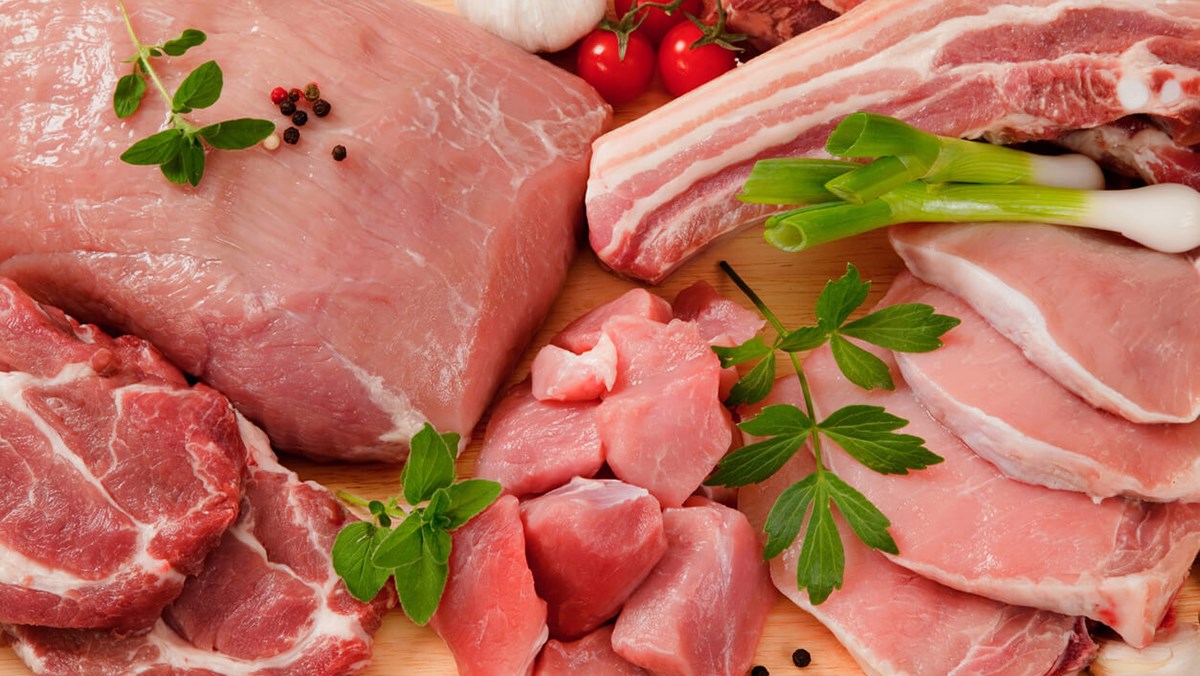
1. Your Muscles May Benefit
Protein is essential for building and repairing muscle tissue.
A serving of lean pork provides all nine essential amino acids, making it a complete protein source.
Eating enough protein may help:
-
Maintain muscle mass
-
Support recovery after exercise
-
Promote healthy aging
-
Increase feelings of fullness
This is especially important for:
-
Older adults
-
Athletes
-
Physically active individuals
However, protein can also be obtained from poultry, fish, eggs, dairy products, legumes, and plant-based foods.
2. Your Body Gets Plenty of B Vitamins
One of pork's biggest nutritional advantages is its high thiamine (vitamin B1) content.
Thiamine helps:
-
Convert food into energy
-
Support nerve function
-
Maintain healthy muscles
-
Support brain function
Pork also provides vitamins B6 and B12, which contribute to:
-
Red blood cell production
-
DNA synthesis
-
Nervous system health
3. It May Help You Feel Fuller
Protein-rich foods tend to increase satiety.
Including lean pork in balanced meals may help reduce hunger between meals, making it easier for some people to manage calorie intake.
Combining pork with:
-
Vegetables
-
Whole grains
-
Healthy fats
creates a more balanced and satisfying meal.
4. The Type of Pork Matters
Not all pork products are nutritionally equal.
Healthier Choices
Examples include:
-
Pork tenderloin
-
Pork loin
-
Fresh lean pork chops
-
Fresh ground lean pork
These cuts contain less saturated fat than processed pork products.
Foods to Eat Less Often
Highly processed pork products include:
-
Bacon
-
Sausage
-
Ham
-
Salami
-
Pepperoni
-
Hot dogs
These foods often contain:
-
More sodium
-
Preservatives
-
Saturated fat
-
Added ingredients
Regular consumption of processed meats has been associated with increased risks of several chronic diseases.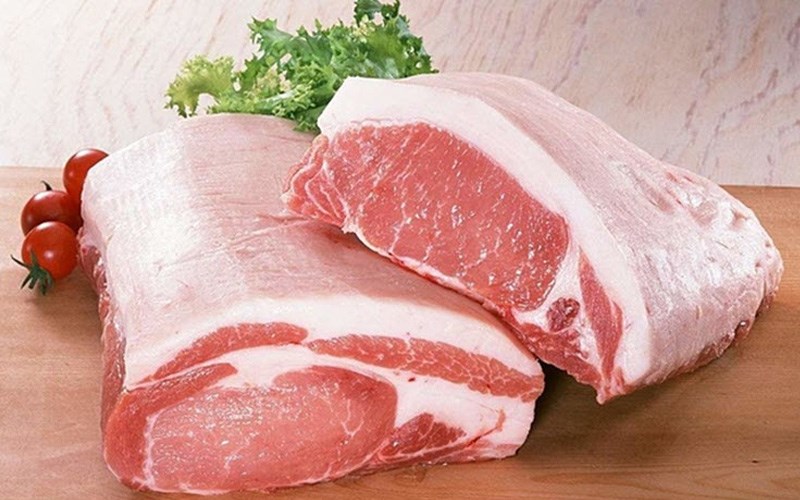
5. Too Much Saturated Fat May Affect Heart Health
Fat content varies considerably depending on the cut of pork.
Fatty cuts may contain higher amounts of saturated fat.
Excessive intake of saturated fat may contribute to:
-
Elevated LDL ("bad") cholesterol
-
Increased cardiovascular risk in some individuals
Choosing lean cuts and trimming visible fat can help reduce saturated fat intake.
6. Sodium Can Become a Concern
Processed pork products often contain significant amounts of sodium.
Excess sodium intake may contribute to:
-
High blood pressure
-
Fluid retention
-
Increased cardiovascular risk
People with hypertension or heart disease should pay particular attention to sodium intake.
Fresh pork generally contains much less sodium than cured or processed varieties.
7. Cooking Method Makes a Difference
How pork is prepared may influence its overall health impact.
Healthier Cooking Methods
-
Baking
-
Roasting
-
Steaming
-
Grilling
-
Air frying
Methods to Limit
Frequent deep-frying or heavily charring meat may increase the formation of compounds that are being studied for potential health risks.
Preparing pork with minimal added fat and pairing it with vegetables creates a healthier meal.
8. Can Eating Pork Every Day Increase Disease Risk?
Research suggests that eating moderate amounts of lean, unprocessed pork can fit into a healthy diet.
However, diets high in processed red meats have been linked to higher risks of:
-
Cardiovascular disease
-
Type 2 diabetes
-
Certain cancers, particularly colorectal cancer
It's important to distinguish between fresh lean pork and processed pork products when considering these risks.
9. Variety Is Important
Even though pork provides valuable nutrients, nutrition experts generally recommend eating a variety of protein sources.
A balanced weekly diet may include:
-
Fish
-
Poultry
-
Eggs
-
Beans
-
Lentils
-
Tofu
-
Lean pork
-
Lean beef in moderation
Variety helps ensure a broader intake of nutrients and reduces dependence on any single food.
Who Should Be Careful About Eating Pork Every Day?
Certain individuals may benefit from limiting frequent pork consumption.
These include people who:
-
Have high cholesterol
-
Have high blood pressure
-
Have heart disease
-
Need to limit sodium intake
-
Consume mostly processed pork products
In these situations, choosing lean cuts and reducing processed meats may be beneficial.
How Much Pork Is Reasonable?
There is no universal recommendation that everyone should eat pork every day.
Most nutrition experts encourage moderation.
A typical serving is approximately:
-
3–4 ounces (85–113 grams) of cooked lean pork
This can be included as part of a balanced meal with:
-
Vegetables
-
Whole grains
-
Healthy fats
Rather than eating pork every day, rotating different protein sources throughout the week may provide greater nutritional balance.
Tips for Making Pork Healthier
If you enjoy pork, consider these simple strategies:
-
Choose lean cuts whenever possible.
-
Trim visible fat before cooking.
-
Bake, grill, or roast instead of deep-frying.
-
Limit processed pork products.
-
Pair pork with plenty of vegetables.
-
Use herbs and spices instead of excessive salt.
-
Watch portion sizes.
Common Myths About Pork
Myth 1: Pork Is Always Unhealthy
Lean pork can be part of a healthy eating pattern and provides several important nutrients.
Myth 2: All Pork Contains Excessive Fat
Modern lean cuts of pork are often comparable to other lean meats in terms of fat content.
Myth 3: Eating Pork Every Day Is Automatically Dangerous
The overall dietary pattern matters far more than a single food.
Choosing lean cuts, eating moderate portions, and maintaining a balanced diet are key factors.
Final Thoughts
Pork can be a nutritious source of high-quality protein, B vitamins, iron, zinc, and selenium. Lean cuts of fresh pork may support muscle health, energy production, and overall nutrition when included as part of a balanced diet.
However, eating pork every day is not necessarily the healthiest approach - especially if it consists mainly of processed products such as bacon, sausage, or ham, which are often high in sodium and saturated fat. The greatest health benefits come from moderation, variety, and choosing minimally processed foods.
Rather than focusing on whether pork should be eaten every day, it's more helpful to consider the quality of the pork, how it's prepared, and how it fits into your overall eating pattern. A diverse diet rich in vegetables, fruits, whole grains, healthy fats, and a variety of protein sources remains one of the best strategies for supporting long-term health.