The Most Parasite-Contaminated Vegetable? Experts Warn About Hidden Risks of Eating Raw Produce
A vegetable that looks perfectly fresh and healthy may carry invisible contaminants from the soil, irrigation water, or handling process. Experts explain which raw vegetables deserve extra attention, how parasites can enter the food supply, and what families should do to reduce the risk.
A fresh vegetable salad is often considered one of the healthiest meals a person can eat. Bright green lettuce, crisp water spinach, fresh coriander, and crunchy cucumbers are familiar ingredients in kitchens around the world. They provide vitamins, minerals, fiber, and other nutrients that support a balanced diet.
But there is something consumers rarely see when choosing vegetables at the supermarket: what happened to the produce before it reached the kitchen.
A vegetable can look clean, smell fresh, and have an attractive appearance while still carrying microscopic organisms. Contamination may occur in the field, through irrigation water, contact with contaminated soil, animal waste, harvesting equipment, transportation, or food preparation.
Among the concerns raised by food safety specialists are intestinal parasites, bacteria, and other microorganisms that can survive on improperly handled raw produce.
Leafy vegetables and fresh herbs deserve particular attention because their irregular surfaces and tightly packed leaves can make cleaning more difficult. Vegetables grown close to the ground or in water exposed to poor sanitation may also face contamination risks.
However, there is an important distinction: there is no scientifically established single vegetable that is always the most parasite-contaminated. The actual risk depends on where it was grown, the quality of the water, farming practices, handling, and preparation.
Understanding which vegetables need careful washing, how contamination happens, and which symptoms should not be ignored can help people protect themselves without unnecessarily avoiding nutritious foods.
The first concern begins long before vegetables arrive at the supermarket.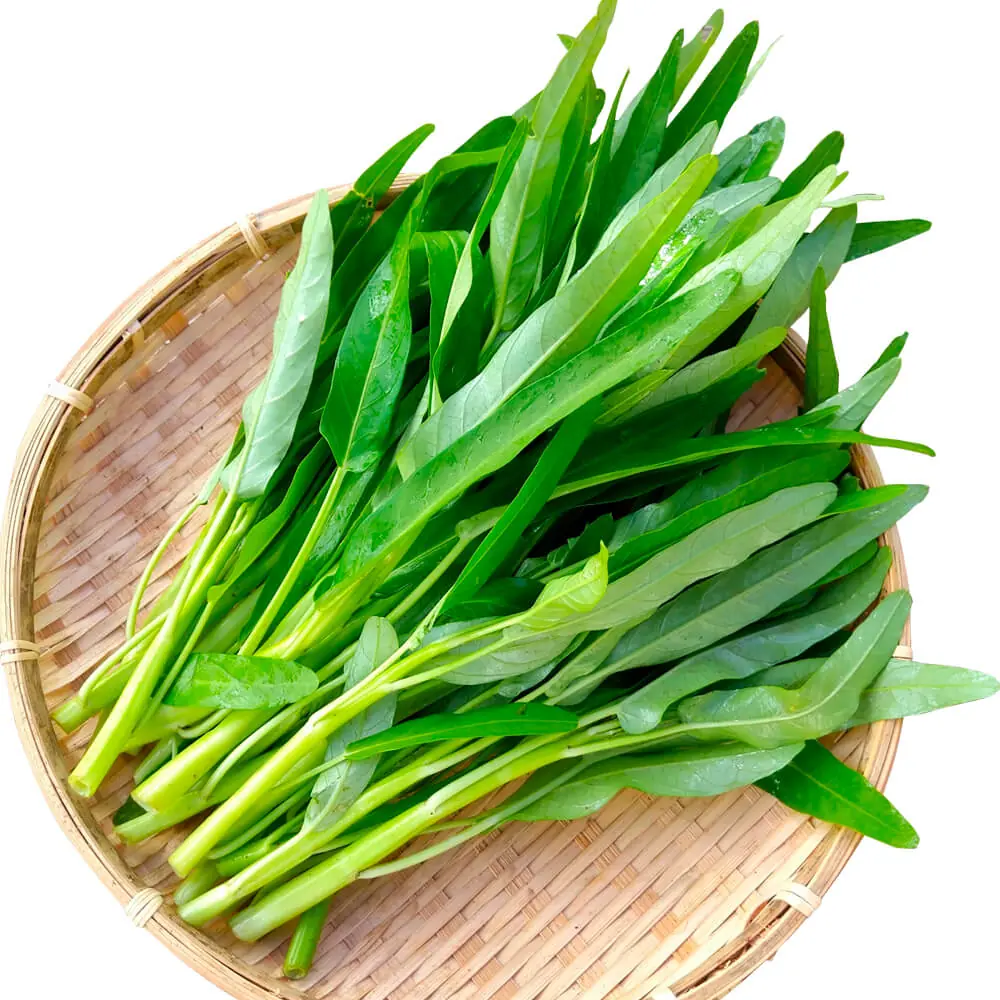
How Parasites Get Onto Vegetables
Most consumers imagine that contamination happens because someone fails to wash vegetables before eating them. Although inadequate washing is one possible factor, the process can begin much earlier.
Vegetables pass through several stages between the farm and the dinner table. At each stage, there may be opportunities for harmful microorganisms to come into contact with the food.
One major route is contaminated irrigation water.
Farmers need water to grow vegetables, particularly during dry seasons. If that water comes from an unsafe source, it may contain microorganisms originating from human or animal waste.
When contaminated water touches edible leaves, roots, or stems, microorganisms may remain on the produce.
Another potential route is contaminated soil.
Some parasite eggs can survive in the environment for extended periods under suitable conditions. If human or animal waste enters agricultural soil, crops growing in that environment may become contaminated.
The risk is not limited to vegetables grown directly in the ground. Water used during harvesting, washing, or processing can also introduce contamination.
Equipment and handling practices matter as well.
Harvesting tools, storage containers, transport surfaces, and workers' hands can transfer microorganisms from one item of produce to another.
This is why food safety cannot depend on appearance alone.
A vegetable may have no visible dirt and still require proper preparation.
The Food and Agriculture Organization and World Health Organization have emphasized the importance of safe agricultural water, hygiene, sanitation, and good handling practices throughout the fresh-produce supply chain.
The central lesson is that contamination prevention must begin at the farm and continue all the way to the consumer's kitchen.
Which Vegetables Deserve the Most Attention?
Although no vegetable can be officially declared the world's most contaminated, certain types of produce deserve extra attention because of how they grow and how they are commonly consumed.
The important factor is not simply the vegetable itself. It is the combination of growing conditions, water quality, sanitation, and preparation.
1. Watercress: A Particular Concern When Eaten Raw
Watercress is one of the vegetables that deserves special attention in discussions about foodborne parasites.
It is a leafy aquatic plant that commonly grows in freshwater environments. Its fresh, peppery leaves are used in salads, soups, sandwiches, and traditional dishes.
Watercress is nutritious, providing vitamins and other beneficial plant compounds. However, its growing environment can create a specific parasite-related concern.
The U.S. Centers for Disease Control and Prevention (CDC) identifies raw watercress and other freshwater plants as potential sources of Fasciola, a parasitic flatworm commonly known as a liver fluke.
People can become infected when they consume aquatic plants carrying the parasite's larvae. Contaminated water used for drinking, washing, or irrigating vegetables can also be a source of exposure.
The parasite is particularly associated with environments where livestock, including sheep, cattle, and goats, are present.
Its life cycle involves freshwater snails. The parasite develops through different stages before infectious larvae attach themselves to aquatic vegetation.
When someone eats contaminated raw watercress, the larvae may enter the digestive system and eventually migrate toward the liver.
This infection is known as fascioliasis.
The early stage may involve fever, abdominal discomfort, nausea, vomiting, and other digestive symptoms. Later, the parasites can affect the bile ducts and cause ongoing abdominal or liver-related problems.
Not everyone develops noticeable symptoms immediately.
The CDC explains that symptoms can begin several days after exposure during the early phase, while symptoms associated with the chronic phase may appear months later.
This does not mean that all watercress is dangerous.
Watercress grown under controlled, hygienic conditions is not automatically contaminated. The concern is particularly relevant to raw aquatic plants collected or cultivated in environments where parasite contamination is possible.
For consumers, the safest approach is to avoid eating raw watercress from uncertain freshwater sources. Cooking aquatic plants thoroughly is a more reliable preventive measure when their origin cannot be established.
2. Lettuce: A Common Ingredient That Can Be Difficult to Clean
Lettuce is one of the most frequently consumed raw vegetables.
It appears in salads, sandwiches, burgers, wraps, and countless restaurant meals.
Its popularity makes food safety particularly important.
Unlike firm vegetables with relatively smooth surfaces, lettuce has multiple layers of leaves, folds, and irregular surfaces.
Soil particles and microorganisms may become trapped between these layers.
If irrigation water is contaminated, microorganisms may reach the leaves during cultivation. Contamination can also occur during harvesting, processing, transportation, and food preparation.
One parasite of particular interest is Cyclospora cayetanensis.
This microscopic organism can cause an intestinal infection called cyclosporiasis.
According to the CDC and FDA, outbreaks of cyclosporiasis have been associated with fresh produce. Certain leafy vegetables have been investigated in foodborne illness outbreaks.