It is also important to remember that these complications are associated with particular parasites and transmission routes. They should not be treated as the expected outcome of eating raw vegetables.
Who Should Be Especially Careful?
Although foodborne infections can affect anyone, certain groups may experience more serious complications.
Older Adults
As people age, their ability to recover from dehydration and certain infections may become less robust.
An episode of prolonged diarrhea can cause significant fluid and electrolyte loss.
Older adults may also have other medical conditions or take medications that complicate recovery.
For this reason, persistent digestive symptoms should not be ignored.
Pregnant Women
Pregnancy requires additional attention to food safety because certain foodborne infections can affect both the mother and the developing baby.
Toxoplasmosis is one example.
People can become infected with Toxoplasma gondii through contaminated soil, food, or water.
Eating vegetables contaminated with soil containing infectious material is one possible route of exposure.
The CDC recommends rinsing fruits and vegetables under running water, washing hands after contact with potentially contaminated soil, and following appropriate food safety precautions.
Pregnant women should discuss individual food safety concerns with their healthcare providers.
Young Children
Young children may be more vulnerable to dehydration when they develop diarrhea or vomiting.
Their symptoms can worsen quickly, particularly when they cannot drink enough fluids to replace what they lose.
Parents should pay attention to reduced urination, unusual sleepiness, dry mouth, and other signs of dehydration.
Food preparation for young children should always include clean utensils, safe water, and properly prepared vegetables.
People With Weakened Immune Systems
Individuals receiving certain medical treatments or living with conditions that weaken immune function may be more susceptible to severe foodborne illness.
The FDA identifies people with weakened immune systems, pregnant women, young children, and older adults as groups that may face greater risks.
These individuals may benefit from avoiding raw sprouts and choosing thoroughly cooked vegetables when appropriate.
Their healthcare providers can offer recommendations based on individual circumstances.
The Correct Way to Wash Vegetables at Home
One of the most practical ways to reduce contamination risk is to develop a consistent vegetable-washing routine.
Many people believe that briefly dipping vegetables into a basin of water is enough.
However, proper preparation involves several steps.
Step 1: Wash Your Hands Before Handling Produce
Before touching vegetables, wash your hands thoroughly with soap and clean running water.
The FDA recommends washing hands for at least 20 seconds before and after food preparation.
This helps prevent microorganisms from transferring from your hands to food.
It is particularly important after using the bathroom, handling pets, touching soil, or preparing raw meat.
Step 2: Remove Damaged and Dirty Outer Leaves
For lettuce, cabbage, and similar vegetables, remove leaves that are damaged, wilted, or visibly contaminated.
Discard produce that appears rotten or has an unpleasant smell.
Removing damaged areas can help improve food safety and quality.
Step 3: Separate Individual Leaves
Do not simply rinse an entire tightly packed head of lettuce and assume that every surface has been cleaned.
Separate the leaves so that water can reach the folds and inner surfaces.
For leafy herbs, separate individual stems and remove damaged portions.
For water spinach, inspect both the leaves and stems.
This makes it easier to identify visible dirt and clean the entire vegetable.
Step 4: Rinse Under Clean Running Water
Place vegetables under clean running water and gently rub the surfaces.
Pay particular attention to areas where soil and debris may collect.
For delicate leaves, avoid excessive force that could damage the produce.
For firm vegetables, a clean produce brush can help remove dirt.
The FDA recommends washing fresh produce thoroughly under running water before preparing or eating it.
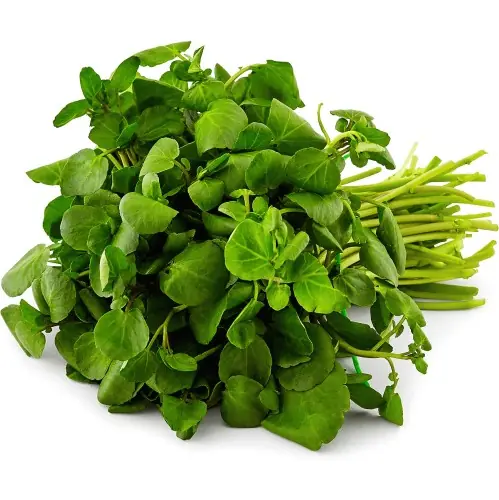
Step 5: Use a Clean Colander or Basin
A clean colander can help separate vegetables from dirty water during preparation.
If using a basin, avoid repeatedly placing dirty vegetables into the same water without changing it.
The sink, container, and surrounding surfaces should also be clean.
Otherwise, washing may simply transfer contaminants from one surface to another.
Step 6: Dry the Vegetables Properly
After rinsing, use a clean towel, paper towel, or salad spinner to remove excess water.
This is particularly useful when preparing lettuce and other salad ingredients.
Drying also helps prevent excess moisture from affecting the quality of stored vegetables.
Step 7: Cook Vegetables When Their Origin Is Uncertain
Washing is useful, but it cannot guarantee the removal of every parasite or microorganism.
This is particularly important for aquatic vegetables and produce that may have been exposed to contaminated water.
Cooking provides an additional level of protection.
For Cyclospora, the CDC states that cooking produce to at least 70°C can kill the parasite.
People should therefore consider cooking watercress and other freshwater plants rather than eating them raw when their growing conditions are uncertain.
Should You Use Salt, Vinegar, or Baking Soda to Wash Vegetables?
This is a common question in households.
Many people use salt water, vinegar, lemon juice, or baking soda when preparing vegetables.
These methods are often passed down through families and are sometimes promoted online as ways to eliminate parasites.
However, consumers should understand the difference between removing visible dirt and reliably killing harmful microorganisms.
The FDA does not recommend washing fresh produce with soap, detergent, or commercial produce washes. It also states that the effectiveness and safety of commercial produce-washing products have not been established.
A homemade salt or vinegar solution should not be treated as a guaranteed parasite-killing treatment.
Some household washing methods may help loosen dirt, but they cannot reliably replace safe agricultural practices and proper cooking.
There is also a risk that people become overconfident after using these methods.
For example, soaking watercress in salt water does not guarantee that infectious liver fluke larvae have been eliminated.
If the vegetable comes from an uncertain freshwater source, avoiding raw consumption and cooking it thoroughly is a more sensible precaution.
The safest routine is to use clean running water, maintain good hand hygiene, prevent cross-contamination, and cook vegetables when appropriate.
Common Mistakes That Can Make Vegetable Preparation Less Safe
Even people who regularly wash their vegetables can make mistakes that increase contamination risks.
Mistake 1: Assuming Organic Vegetables Are Always Safer
Organic farming focuses on particular agricultural production standards.
However, organic certification does not mean that vegetables are completely free from microorganisms.
Organic vegetables can still come into contact with contaminated soil, water, animals, or handling surfaces.
The same basic food safety precautions apply.