Chapter 1: The Familiar Food That Can Become Dangerous
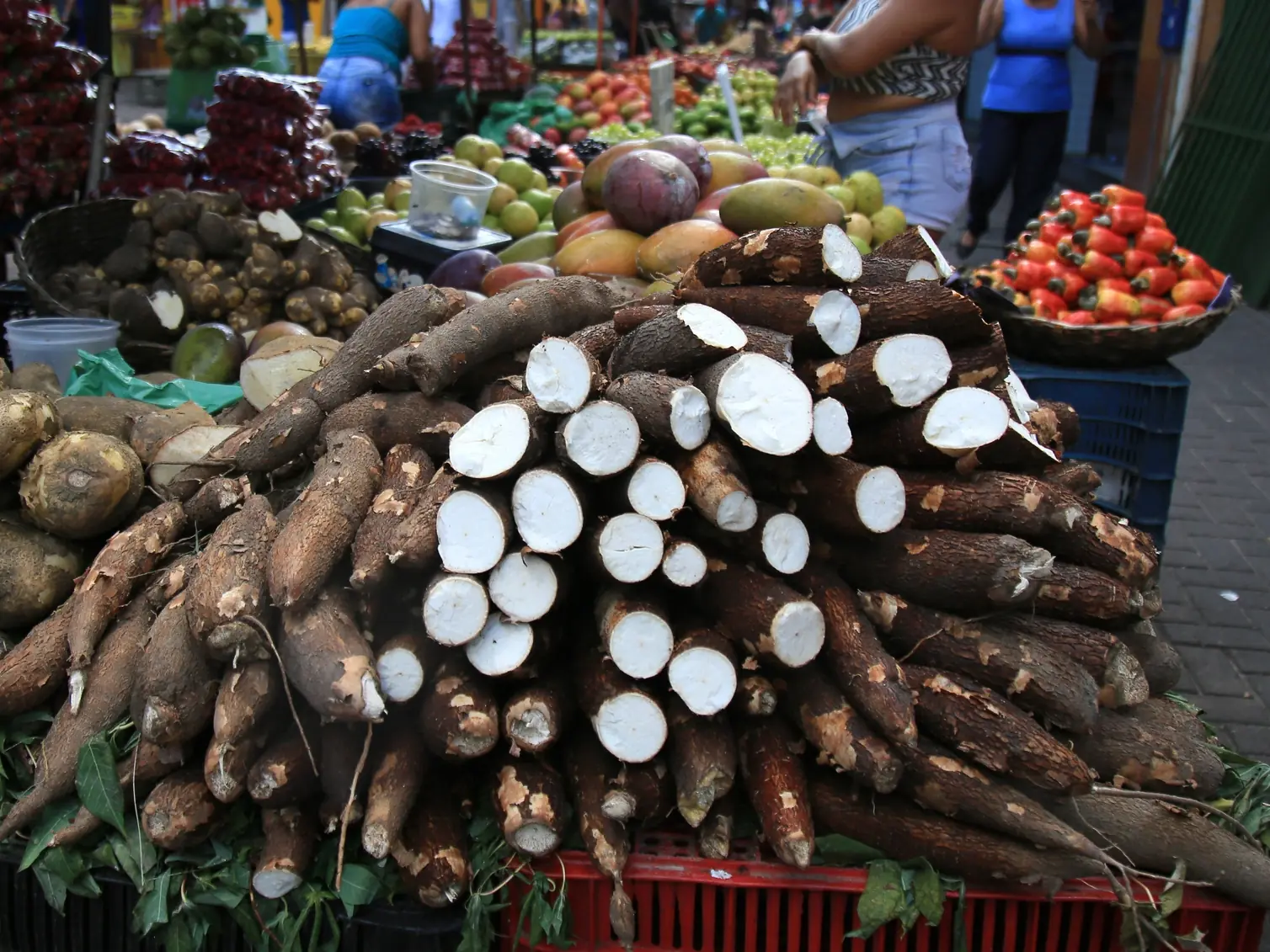
At first glance, the food shown in the photograph looks completely ordinary. Several pieces of pale, freshly cooked cassava are arranged on green banana leaves, accompanied by a small portion of seasoning.
For millions of families around the world, this is a familiar sight.
Cassava is eaten for breakfast, served as a side dish, turned into flour, or transformed into traditional snacks. Its mild flavor, satisfying texture, and ability to grow in challenging agricultural conditions have made it an important source of food for generations.
Yet behind this everyday appearance is a food safety issue that deserves attention.
Cassava naturally contains compounds known as cyanogenic glycosides. Under certain conditions, these substances can break down and release hydrogen cyanide, a highly toxic chemical.
This does not mean that every cassava dish is dangerous.
The real concern is improperly processed cassava, particularly varieties with naturally high cyanide levels.
What exactly is cassava?
Cassava, scientifically known as Manihot esculenta, is a tropical root crop originally domesticated in South America.
It is now cultivated extensively throughout tropical regions, particularly in Africa, Asia, and Latin America.
The plant produces long, thick underground roots containing large amounts of starch.
Once harvested, these roots can be transformed into many different foods, including:
-
Boiled cassava.
-
Fried cassava.
-
Cassava flour.
-
Tapioca starch.
-
Traditional fermented foods.
-
Cassava cakes and desserts.
-
Porridge and other starch-based dishes.
In some communities, cassava is a major source of daily calories.
It is particularly valuable because the plant can tolerate relatively poor soil conditions and periods of drought better than several other staple crops.
For households that depend on locally grown food, cassava can provide an affordable and dependable source of energy.
However, the way it is processed is extremely important.
Why does cassava contain cyanide-producing compounds?
Cassava naturally produces chemicals called cyanogenic glycosides.
The most important of these is linamarin, although another compound called lotaustralin is also present.
These substances are part of the plant's natural chemical defense system.
When cassava tissue is damaged, enzymes inside the plant can come into contact with these compounds.
This process can eventually release hydrogen cyanide.
The amount of cyanogenic compounds varies considerably between cassava varieties.
Some varieties contain relatively low concentrations and are commonly described as sweet cassava.
Others contain much higher concentrations and are often called bitter cassava.
The difference matters because bitter varieties require particularly careful processing before they can be eaten safely.
According to the World Health Organization, cassava is among several important food plants that naturally contain cyanogenic glycosides. The danger depends on whether consuming the food results in exposure to a toxic amount of cyanide.
World Health Organization+1
Why can cyanide be so dangerous?
Cyanide interferes with the body's ability to use oxygen at the cellular level.
Even when oxygen is present in the bloodstream, cells can become unable to use it properly.
This can affect organs that require substantial amounts of energy, especially the brain and heart.
A sufficiently high exposure can rapidly become life-threatening.
Possible symptoms of acute cyanide poisoning include:
-
Headache.
-
Dizziness.
-
Nausea.
-
Vomiting.
-
Abdominal pain.
-
Rapid breathing.
-
Confusion.
-
Weakness.
-
Seizures.
-
Loss of consciousness.
Severe poisoning can lead to coma and death.
The speed and severity of symptoms depend on the amount of cyanide exposure.
This is why cassava preparation should never be treated as an unimportant cooking detail.
Does ordinary boiled cassava cause poisoning?
Properly prepared cassava is widely eaten and can be part of a balanced diet.
However, simply placing cassava in boiling water is not always sufficient to guarantee that every potentially harmful compound has been removed.
The effectiveness of cooking depends on the variety, size of the pieces, processing history, and initial cyanide concentration.
Food Standards Australia New Zealand explains that the effectiveness of boiling, steaming, baking, and frying varies considerably. These methods alone are not always reliable for reducing cyanogenic compounds to safe levels.
Food Standards Australia New Zealand
This is particularly important for bitter cassava.
Appropriate peeling, processing, soaking, fermentation, and other traditional detoxification methods may be necessary depending on the variety and the food being prepared.
Why is cassava still eaten worldwide?
Despite these risks, cassava remains an essential food crop.
The reason is simple: when properly processed, it provides an inexpensive and versatile source of carbohydrates.
Many traditional communities have developed food preparation methods over generations.
These methods are not random cooking habits. They often involve carefully controlled combinations of grating, soaking, fermenting, drying, and heating.
The problem occurs when preparation steps are shortened, skipped, or performed incorrectly.
For example, an improperly processed batch of cassava flour may retain dangerous levels of cyanogenic compounds.
That is why understanding the food's natural properties is much more useful than simply labeling it as poisonous.
The important lesson is that cassava is not inherently unsafe. Its safety depends heavily on selecting suitable varieties and processing them correctly.
Chapter 2: The Hidden Toxin Inside Cassava and Why Some Varieties Are More Dangerous
Not all cassava roots contain the same amount of cyanogenic compounds.
This is one of the most important facts consumers should understand.
Two cassava roots may look almost identical on the outside but have very different chemical characteristics.
One may be suitable for ordinary household preparation, while another may require more intensive processing to reduce its natural toxins.
Sweet cassava versus bitter cassava
Cassava is commonly classified into two broad groups: sweet varieties and bitter varieties.
Sweet cassava generally contains lower concentrations of cyanogenic glycosides.
These varieties are commonly used for household cooking in many regions.
Bitter cassava, on the other hand, can contain substantially higher concentrations of cyanogenic compounds.
The name does not simply refer to taste.
It also reflects differences in the plant's chemical composition.
Bitter cassava can be particularly dangerous if it is eaten raw or processed incorrectly.
However, consumers should not rely on taste alone to determine whether a root is safe.
Some varieties may not have an obvious bitter flavor despite containing potentially concerning levels of cyanogenic compounds.
Correct identification and appropriate preparation are therefore essential.
Understanding linamarin
The main cyanogenic glycoside in cassava is linamarin.
When the root's cells are damaged through cutting, crushing, or grating, linamarin can interact with an enzyme called linamarase.
This reaction contributes to the production of cyanide.
The process is important because it explains why traditional cassava preparation often involves breaking down the root before soaking or fermenting it.
Simply leaving an intact root in water may not achieve the same detoxification effect as properly processing the plant tissue.
The amount of cyanide remaining after processing depends on several factors: