Pain is one of the body's most important warning signals. While many aches and pains are caused by muscle strain, poor posture, arthritis, or minor injuries, persistent or unexplained pain should never be ignored—especially when it lasts for weeks or is accompanied by other concerning symptoms.
When people think of lung disease, they often imagine symptoms such as coughing or shortness of breath. However, certain lung conditions—including infections, inflammation, blood clots, and, in some cases, lung cancer—may also cause pain in different parts of the body.
It's important to remember that pain alone rarely means lung cancer, and most people with pain in the chest, shoulder, or back have much more common and less serious conditions. Nevertheless, persistent pain deserves medical evaluation, particularly if it occurs alongside respiratory symptoms.
Let's explore three types of pain that may sometimes be associated with lung problems and when you should consider seeking medical advice.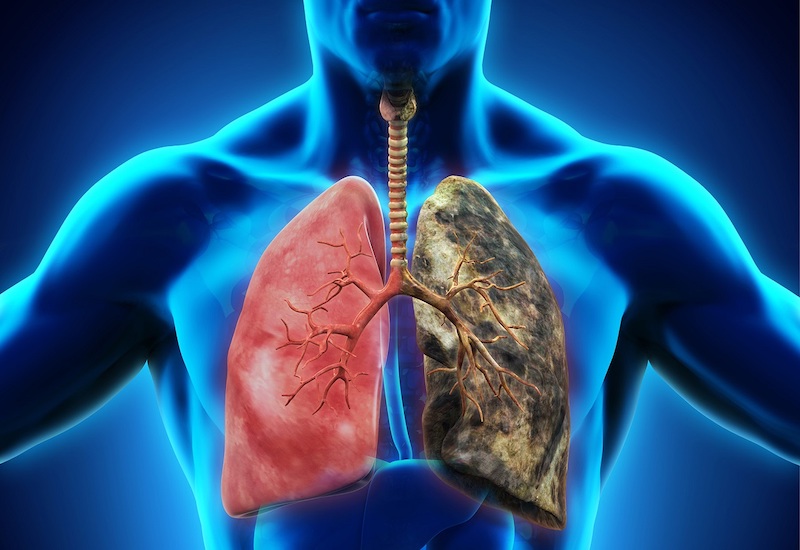
Why Can Lung Problems Cause Pain?
The lungs themselves contain very few pain-sensitive nerves.
However, pain may develop when disease affects nearby structures, including:
-
The lining around the lungs (pleura)
-
The chest wall
-
Muscles
-
Ribs
-
Nerves
-
Shoulder region
-
Upper back
Inflammation, infection, or pressure on surrounding tissues may all contribute to discomfort.
1. Persistent Chest Pain
Chest pain is one of the most recognized symptoms that may occur with certain lung conditions.
Possible lung-related causes include:
-
Pneumonia
-
Pleurisy (inflammation of the lung lining)
-
Pulmonary embolism
-
Chronic lung disease
-
Lung cancer (less commonly in early stages)
People may describe the pain as:
-
Sharp
-
Dull
-
Aching
-
Tight
-
Worse with deep breathing
-
Worse when coughing
However, chest pain has many possible causes beyond the lungs.
It may also result from:
-
Muscle strain
-
Rib injuries
-
Acid reflux
-
Anxiety
-
Heart disease
Any new, severe, or persistent chest pain should be evaluated promptly.
2. Shoulder Pain
Many people don't realize that certain lung conditions may occasionally cause shoulder pain.
One example is a rare type of lung tumor called a Pancoast tumor, which develops near the top of the lung and may affect nearby nerves.
Possible symptoms may include:
-
Shoulder pain
-
Pain radiating down the arm
-
Weakness in the hand
-
Tingling or numbness
Fortunately, this type of tumor is uncommon.
Far more frequently, shoulder pain is caused by:
-
Rotator cuff injuries
-
Arthritis
-
Tendinitis
-
Muscle strain
-
Poor posture
Persistent shoulder pain without an obvious injury deserves medical attention, especially if accompanied by respiratory symptoms.
3. Upper Back Pain
Back pain is extremely common.
Most cases result from:
-
Muscle strain
-
Poor posture
-
Degenerative spine disease
-
Herniated discs
However, some lung conditions may also contribute to pain felt between the shoulder blades or in the upper back.
This may occur because nearby nerves transmit pain signals to different areas of the body.
Persistent upper back pain combined with:
-
Chronic cough
-
Shortness of breath
-
Unexplained weight loss
-
Fatigue
should be medically evaluated.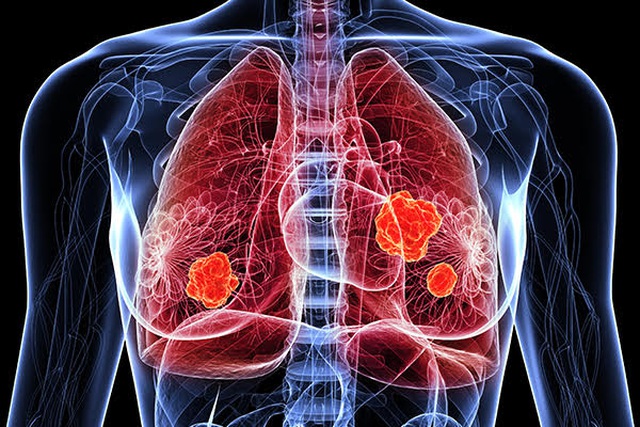
Other Symptoms That May Suggest Lung Disease
Pain alone rarely provides enough information to determine the cause.
Healthcare professionals also look for additional symptoms such as:
-
Persistent cough lasting longer than three weeks
-
Coughing up blood
-
Shortness of breath
-
Wheezing
-
Chest tightness
-
Hoarseness
-
Recurrent lung infections
-
Unexplained weight loss
-
Fatigue
The combination of symptoms often provides more useful information than any single symptom.
Common Causes of Lung Pain
Many lung conditions can cause discomfort.
These include:
Pneumonia
A lung infection that may cause:
-
Fever
-
Cough
-
Chest pain
-
Difficulty breathing
Pleurisy
Inflammation of the membrane surrounding the lungs.
Pain often becomes worse when taking deep breaths.
Pulmonary Embolism
A blood clot in the lungs is a medical emergency.
Symptoms may include:
-
Sudden chest pain
-
Shortness of breath
-
Rapid heartbeat
-
Coughing up blood
Immediate medical care is essential.
Chronic Lung Diseases
Conditions such as chronic obstructive pulmonary disease (COPD) may occasionally contribute to chest discomfort.
Lung Cancer
Early lung cancer often causes no symptoms at all.
When symptoms develop, they may include:
-
Persistent cough
-
Coughing up blood
-
Chest pain
-
Shortness of breath
-
Hoarseness
-
Unexplained weight loss
Pain is usually not the earliest symptom.
Who Has a Higher Risk of Lung Cancer?
Several factors increase the risk, including:
-
Cigarette smoking
-
Exposure to secondhand smoke
-
Radon exposure
-
Occupational exposure to asbestos or silica
-
Family history
-
Older age
However, lung cancer can also occur in people who have never smoked.
When Should You See a Doctor?
Arrange a medical evaluation if pain:
-
Lasts longer than several weeks.
-
Continues to worsen.
-
Has no obvious explanation.
-
Interferes with daily activities.
-
Occurs together with cough, fever, or shortness of breath.
-
Is accompanied by unexplained weight loss.
Early assessment allows healthcare professionals to identify the underlying cause and begin appropriate treatment.
When Is Chest Pain an Emergency?
Seek emergency medical care immediately if chest pain is:
-
Severe or crushing
-
Accompanied by difficulty breathing
-
Associated with fainting
-
Radiating to the jaw, neck, or arm
-
Accompanied by heavy sweating
-
Occurring with coughing up significant amounts of blood
These symptoms may indicate a life-threatening condition requiring urgent treatment.
Protecting Your Lung Health
Simple lifestyle habits can reduce the risk of many lung diseases.
Avoid Smoking
Smoking remains the leading preventable cause of lung cancer and chronic lung disease.
Quitting at any age provides health benefits.
Stay Physically Active
Regular exercise supports lung function and cardiovascular health.
Reduce Exposure to Air Pollution
When possible:
-
Avoid secondhand smoke.
-
Improve indoor ventilation.
-
Use protective equipment in hazardous workplaces.
Keep Vaccinations Up to Date
Vaccines for influenza and pneumonia may reduce the risk of serious respiratory infections in eligible individuals.
Common Myths
Myth 1: Lung Cancer Always Causes Pain Early
False.
Many people with early lung cancer have no symptoms.
Pain often appears only after the disease has progressed.
Myth 2: Only Smokers Develop Lung Cancer
Smoking is the biggest risk factor, but lung cancer can also occur in people who have never smoked.
Myth 3: Chest Pain Always Comes From the Heart
Chest pain may originate from the lungs, muscles, digestive system, ribs, or many other structures.
Proper evaluation is essential.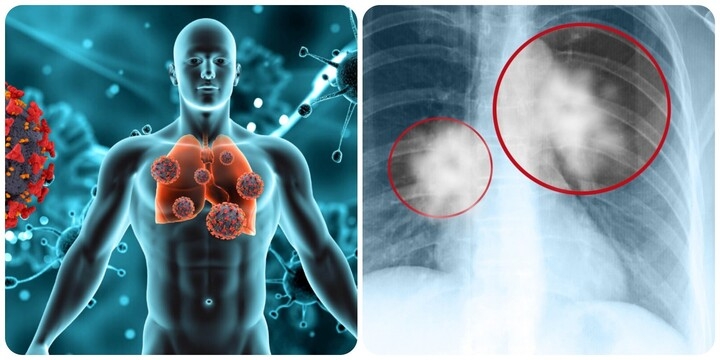
Final Thoughts
Persistent chest, shoulder, or upper back pain can sometimes be associated with lung conditions, but these symptoms are far more commonly caused by non-cancerous problems such as muscle strain, arthritis, or minor injuries. Pain alone is rarely enough to diagnose lung disease or lung cancer.
However, if pain persists for several weeks, has no clear explanation, or occurs alongside symptoms such as a persistent cough, shortness of breath, coughing up blood, unexplained weight loss, or ongoing fatigue, it is important to seek medical evaluation promptly.
Listening to your body, attending regular health checkups, avoiding tobacco, and seeking timely medical advice when symptoms persist remain some of the best ways to protect your lung health and improve the chances of early diagnosis if a serious condition is present.