
20 Possible Can.cer Warning Signs Everyone Should Know
These 20 Changes Could Be Your Body's Way of Signaling an Underlying Health Problem
Health 29/06/2026 17:39
Many plants that appear as ordinary weeds are often overlooked or removed from gardens without a second thought. However, some of these wild-growing species have been used in traditional medicine for centuries and continue to attract scientific interest today. One such example is Asthma Weed (Euphorbia hirta), a low-growing herb that thrives in warm climates around the world.
Although often dismissed as a common weed, this resilient plant has a long history of use in traditional herbal practices across Asia, Africa, and South America. Modern researchers have also investigated its chemical compounds, discovering that it contains a variety of naturally occurring substances with potential biological activity. While more clinical research is needed to confirm many traditional claims, Asthma Weed remains an intriguing example of how valuable medicinal plants can sometimes be hiding in plain sight.
Asthma Weed is a small annual herb that typically grows close to the ground, forming spreading mats across lawns, gardens, roadsides, and open fields.
Its most recognizable characteristics include:
Thin reddish or brownish stems that spread horizontally.
Small oval or elliptical leaves arranged in opposite pairs.
Leaves with fine serrated edges and visible veins.
Tiny greenish-yellow flower clusters that develop where the leaves meet the stems.
A white milky sap that appears when the stem is broken, which is characteristic of many plants in the Euphorbia genus.
Because it spreads quickly and grows in disturbed soil, many homeowners consider it a weed. However, herbalists have valued it for generations because nearly the entire plant has traditionally been used for medicinal purposes.
For hundreds of years, Asthma Weed has been used in traditional systems of medicine to support a variety of health concerns.
Historically, it has been prepared as:
Herbal tea
Decoction
Poultice
Fresh juice
Powder made from dried leaves
Traditional practitioners have used it to support respiratory health, digestive comfort, skin care, and wound healing.
It is important to note that traditional use does not necessarily prove medical effectiveness, and many of these applications require further scientific study.
Researchers have identified numerous naturally occurring compounds within Euphorbia hirta, including:
Flavonoids
Tannins
Polyphenols
Terpenoids
Phytosterols
Alkaloids
Saponins
These compounds are being studied because many possess antioxidant or anti-inflammatory activity in laboratory settings.
One reason the plant earned the common name Asthma Weed is its historical use in supporting respiratory comfort.
In traditional medicine, it has been used for symptoms such as:
Mild cough
Throat irritation
Bronchial discomfort
Some laboratory studies suggest certain compounds found in the plant may have bronchodilator or anti-inflammatory properties, although large human clinical trials are still lacking.
For this reason, the plant should never replace prescribed asthma medications.
The flavonoids and polyphenols naturally present in Asthma Weed have demonstrated antioxidant activity in laboratory research.
Antioxidants help protect cells from oxidative stress caused by unstable molecules known as free radicals.
Eating a diet rich in antioxidant-containing foods remains the primary recommendation for maintaining overall health.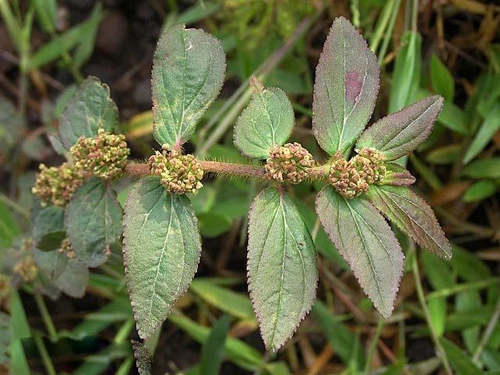
Inflammation is part of the body's normal response to injury and infection.
Laboratory research suggests that certain compounds in Euphorbia hirta may influence inflammatory pathways.
However, these findings are preliminary and should not be interpreted as evidence that the plant can treat inflammatory diseases.
In various cultures, herbal preparations made from the leaves have been consumed to help support digestive comfort.
Traditional uses have included:
Mild stomach discomfort
Occasional diarrhea
Digestive upset
Modern evidence remains limited, and medical evaluation is recommended for persistent digestive symptoms.
Fresh leaves have traditionally been crushed into a paste and applied externally for minor skin concerns.
Traditional applications have included:
Small cuts
Insect bites
Minor skin irritation
Scientific evidence supporting these uses is still limited, and care should be taken because the milky sap may irritate sensitive skin.
Several laboratory studies have investigated extracts of Euphorbia hirta against certain bacteria and fungi.
While some antimicrobial activity has been observed under experimental conditions, this does not mean the plant is an effective treatment for infections in people.
More clinical research is required.
Beyond its traditional medicinal uses, Asthma Weed also contributes to local ecosystems.
It may:
Provide food for certain insects.
Help stabilize exposed soil.
Support biodiversity in natural habitats.
Although gardeners often remove it, the plant still plays a role in many environments.
Despite its long history of traditional use, Asthma Weed should be approached with caution.
The plant contains biologically active compounds, and the milky latex may cause skin irritation in some individuals.
Pregnant or breastfeeding women, young children, and people taking prescription medications should avoid using herbal preparations without professional medical advice.
Anyone interested in herbal medicine should consult a qualified healthcare provider before using this plant medicinally.
Many plants commonly considered weeds have historically been used in traditional medicine or have ecological value.
Natural plants can still contain powerful chemicals that may interact with medications or cause side effects.
Traditional knowledge provides valuable insights, but modern clinical research is necessary to confirm safety and effectiveness.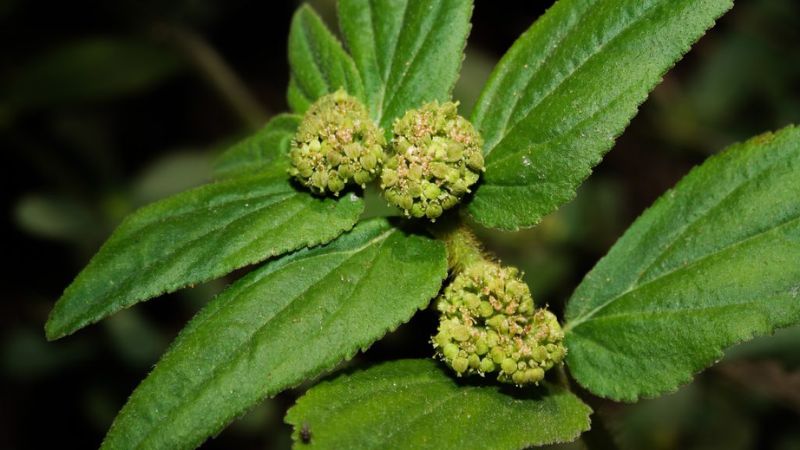
Asthma Weed (Euphorbia hirta) is a fascinating example of how an ordinary-looking wild plant can possess remarkable botanical and historical significance. Easily recognized by its creeping reddish stems, opposite oval leaves, tiny clustered flowers, and characteristic milky sap, it has been valued in traditional medicine for generations.
Scientific research has identified numerous bioactive compounds within the plant and continues to investigate its antioxidant, anti-inflammatory, antimicrobial, and respiratory-supporting properties. While these early findings are encouraging, current evidence is not sufficient to recommend the plant as a treatment for any specific disease.
Rather than viewing Asthma Weed as merely another garden weed, it may be better appreciated as a plant with cultural, ecological, and scientific importance. Continued research may reveal even more about its potential, but for now, it serves as a reminder that nature often holds unexpected treasures in the most ordinary places.
These 20 Changes Could Be Your Body's Way of Signaling an Underlying Health Problem

3 Types of Pain That May Warrant a Lung Health Check
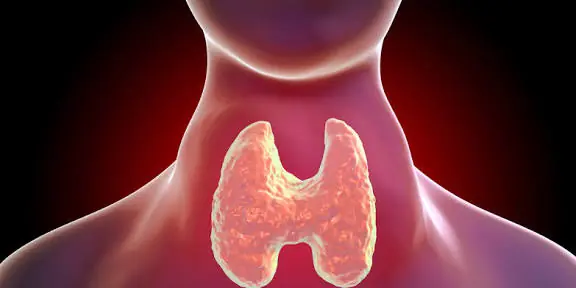
The Hidden Connection Between Your Diet and Thyroid Health May Surprise You

8 Early Warning Signs of Can.cer That Older Adults Should Know

Your Favorite Sleeping Position Could Be Affecting Your Body in Unexpected Ways

Your Body May Be Asking for More Magnesium—32 Signs to Know
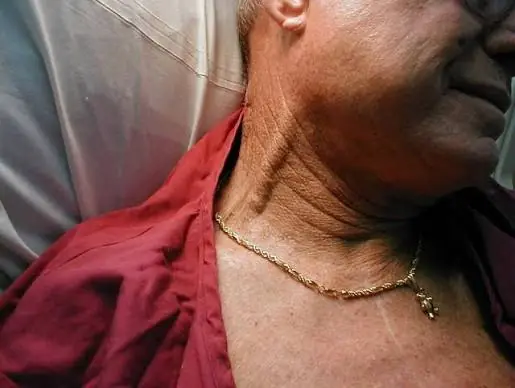
Doctors Say Prominent Neck Veins May Deserve Medical Attention

5 Possible Signs of a Mini Stroke Every Older Adult Should Be Aware Of
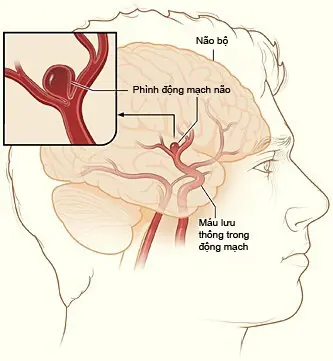
Aneurysms Can Be Silent—But These Symptoms May Be Warning Signs





If you have visible veins, it means you are... See more

Drink Water Before Breakfast? The Science May Surprise You 👇
Garlic May Offer More Than Flavor - Here Are 15 Ways It Could Support Your Throat
Why More People Are Adding Chicken Gizzards to Their Diet
These Changes in Your Body May Be Worth Discussing With Your Doctor 👇

What These Nail Lines Could Mean for Adults Over 40 Might Surprise You
These 20 Changes Could Be Your Body's Way of Signaling an Underlying Health Problem

7 Popular Beauty Uses for Coconut Oil and What You Should Know
3 Types of Pain That May Warrant a Lung Health Check
The Hidden Connection Between Your Diet and Thyroid Health May Surprise You
8 Early Warning Signs of Can.cer That Older Adults Should Know
Your Favorite Sleeping Position Could Be Affecting Your Body in Unexpected Ways
Your Body May Be Asking for More Magnesium—32 Signs to Know
Doctors Say Prominent Neck Veins May Deserve Medical Attention
5 Possible Signs of a Mini Stroke Every Older Adult Should Be Aware Of
Aneurysms Can Be Silent—But These Symptoms May Be Warning Signs


If you have visible veins, it means you are... See more
Drink Water Before Breakfast? The Science May Surprise You 👇
Garlic May Offer More Than Flavor - Here Are 15 Ways It Could Support Your Throat