Cancer is one of the leading causes of illness and death worldwide, but many types of cancer are more treatable when detected early. One of the challenges is that early cancer often causes few or no symptoms, and many warning signs can easily be mistaken for less serious conditions.
It's important to remember that having one or more of these symptoms does not mean you have cancer. Most are far more likely to be caused by infections, inflammation, hormonal changes, or other non-cancerous conditions. However, if symptoms persist, worsen, or have no clear explanation, they should be evaluated by a healthcare professional.
Knowing what to watch for can help you seek medical advice sooner and improve the chances of early diagnosis when necessary.
Why Early Detection Matters
Cancer begins when abnormal cells grow uncontrollably. If detected before it spreads, treatment is often more effective and less invasive.
Regular medical checkups, recommended screening tests, and paying attention to persistent changes in your body are all important parts of early detection.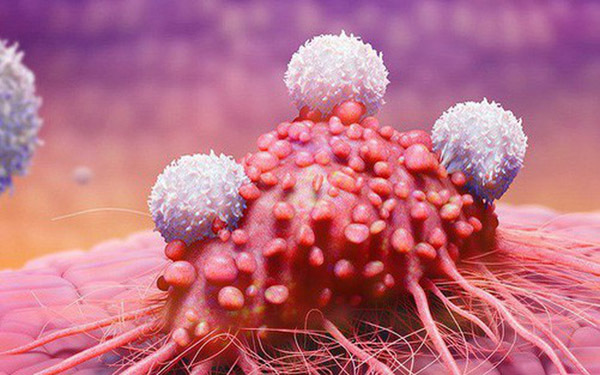
1. Unexplained Weight Loss
Losing weight without trying may be one of the earliest signs of an underlying health problem.
Medical evaluation is recommended if you lose about 5% or more of your body weight within six to twelve months without changes in diet or exercise.
Possible causes include:
-
Thyroid disorders
-
Diabetes
-
Digestive diseases
-
Chronic infections
-
Various cancers
2. Persistent Fatigue
Feeling unusually tired despite getting enough rest may indicate an underlying condition.
Unlike ordinary tiredness, persistent fatigue does not improve with sleep.
Possible causes include:
-
Anemia
-
Heart disease
-
Depression
-
Sleep disorders
-
Chronic illnesses
-
Certain cancers
3. Persistent Fever
A fever that lasts for several weeks without an obvious infection should be evaluated.
While infections are the most common cause, persistent fever may occasionally occur with blood-related cancers such as lymphoma or leukemia.
4. Night Sweats
Heavy night sweats that repeatedly soak clothing or bedding deserve medical attention.
Although hormonal changes and infections are common causes, persistent night sweats may sometimes be associated with certain cancers.
5. A New Lump or Thickening
Any new lump that:
-
Persists
-
Grows larger
-
Feels hard
-
Does not move easily
should be examined by a healthcare professional.
Many lumps are benign, but evaluation is important.
6. Persistent Cough
A cough lasting longer than three weeks should not be ignored.
Possible causes include:
-
Viral infections
-
Asthma
-
Acid reflux
-
Chronic lung disease
-
Lung cancer
7. Coughing Up Blood
Even a small amount of blood in the mucus should be evaluated promptly.
This symptom may result from infections, lung disease, or, less commonly, lung cancer.
8. Hoarseness
A hoarse voice lasting more than several weeks may be related to:
-
Vocal strain
-
Acid reflux
-
Thyroid disorders
-
Laryngeal disease
-
Certain cancers
Persistent hoarseness deserves medical evaluation.
9. Difficulty Swallowing
Trouble swallowing or the sensation that food becomes stuck should not be ignored.
Potential causes include:
-
Acid reflux
-
Esophageal disorders
-
Neurological conditions
-
Esophageal cancer
10. Persistent Indigestion
Frequent indigestion or ongoing stomach discomfort that does not improve may require further evaluation.
Most cases are not caused by cancer, but persistent symptoms should be investigated.
11. Changes in Bowel Habits
Watch for:
-
Persistent constipation
-
Ongoing diarrhea
-
Narrow stools
-
Blood in the stool
-
A feeling that the bowel does not empty completely
These symptoms may indicate digestive conditions that require evaluation.
12. Blood in the Stool
Bright red or dark, tar-like stools may indicate bleeding somewhere in the digestive tract.
This symptom should always be discussed with a healthcare professional.
13. Blood in the Urine
Blood in the urine can result from:
-
Urinary tract infections
-
Kidney stones
-
Kidney disease
-
Bladder or kidney cancer
Prompt medical assessment is important.
14. Changes in Urination
Persistent changes such as:
-
Frequent urination
-
Difficulty urinating
-
Pain during urination
may indicate prostate, bladder, or urinary tract conditions.
15. Unusual Bleeding
Unexpected bleeding should never be ignored.
Examples include:
-
Vaginal bleeding after menopause
-
Bleeding between menstrual periods
-
Bleeding after sexual intercourse
-
Persistent nosebleeds without explanation
While often caused by non-cancerous conditions, evaluation is recommended.
16. Changes in Moles or Skin Lesions
Monitor moles for:
-
Asymmetry
-
Irregular borders
-
Multiple colors
-
Increasing size
-
Evolving appearance
Also watch for sores that fail to heal after several weeks.
17. Persistent Mouth Sores
Mouth ulcers usually heal within two weeks.
Any sore that persists beyond this timeframe should be examined, especially in tobacco users.
18. Ongoing Pain Without a Clear Cause
Pain alone rarely indicates cancer, but persistent pain that cannot be explained deserves medical evaluation.
Examples include:
-
Chest pain
-
Bone pain
-
Persistent headaches
-
Back pain
The cause is often unrelated to cancer but should still be identified.
19. Persistent Bloating or Abdominal Fullness
Especially in women, ongoing bloating accompanied by pelvic discomfort, difficulty eating, or feeling full quickly should be evaluated.
Most cases are caused by digestive conditions, but persistent symptoms warrant medical attention.
20. Unexplained Changes in Appetite
Losing interest in food for an extended period without a clear reason may be associated with many different medical conditions.
When combined with weight loss or fatigue, medical evaluation is especially important.
Symptoms Often Have Non-Cancerous Causes
One of the most important facts to remember is that these warning signs are not specific to cancer.
Many are far more commonly caused by:
-
Viral infections
-
Bacterial infections
-
Allergies
-
Hormonal changes
-
Digestive disorders
-
Autoimmune diseases
-
Medication side effects
Persistent symptoms—not isolated episodes—are usually what require closer attention.
Cancer Screening Can Detect Disease Before Symptoms Appear
Many cancers develop silently.
Routine screening may detect disease before noticeable symptoms occur.
Depending on age, sex, and personal risk factors, healthcare providers may recommend:
-
Mammograms
-
Colon cancer screening
-
Cervical cancer screening
-
Lung cancer screening for eligible current or former smokers
-
Prostate cancer discussions
-
Skin examinations
Discuss the appropriate screening schedule with your healthcare provider.
Lifestyle Habits That May Lower Cancer Risk
Although no lifestyle can completely prevent cancer, healthy habits may reduce risk.
These include:
-
Avoiding tobacco products
-
Limiting alcohol intake
-
Eating a diet rich in fruits, vegetables, and whole grains
-
Maintaining a healthy weight
-
Exercising regularly
-
Protecting your skin from excessive sun exposure
-
Receiving recommended vaccinations, such as HPV and hepatitis B, when appropriate
Common Myths About Cancer Symptoms
Myth 1: Every Symptom Means Cancer
False.
Most persistent symptoms have causes other than cancer.
Myth 2: Cancer Always Causes Pain Early
Many cancers produce no pain at all during their earliest stages.
Myth 3: Feeling Healthy Means You Can't Have Cancer
Some cancers remain symptom-free until they become more advanced.
That's why routine screening is so important.
When Should You See a Doctor?
Arrange a medical evaluation if you experience:
-
Symptoms lasting more than two to three weeks.
-
Unexplained weight loss.
-
Persistent fatigue.
-
New lumps.
-
Ongoing bleeding.
-
Changes in bowel or bladder habits.
-
Persistent cough or hoarseness.
-
Skin changes that continue to evolve.
Prompt evaluation does not necessarily mean cancer is present—it simply helps identify the cause and allows treatment to begin as early as possible if needed.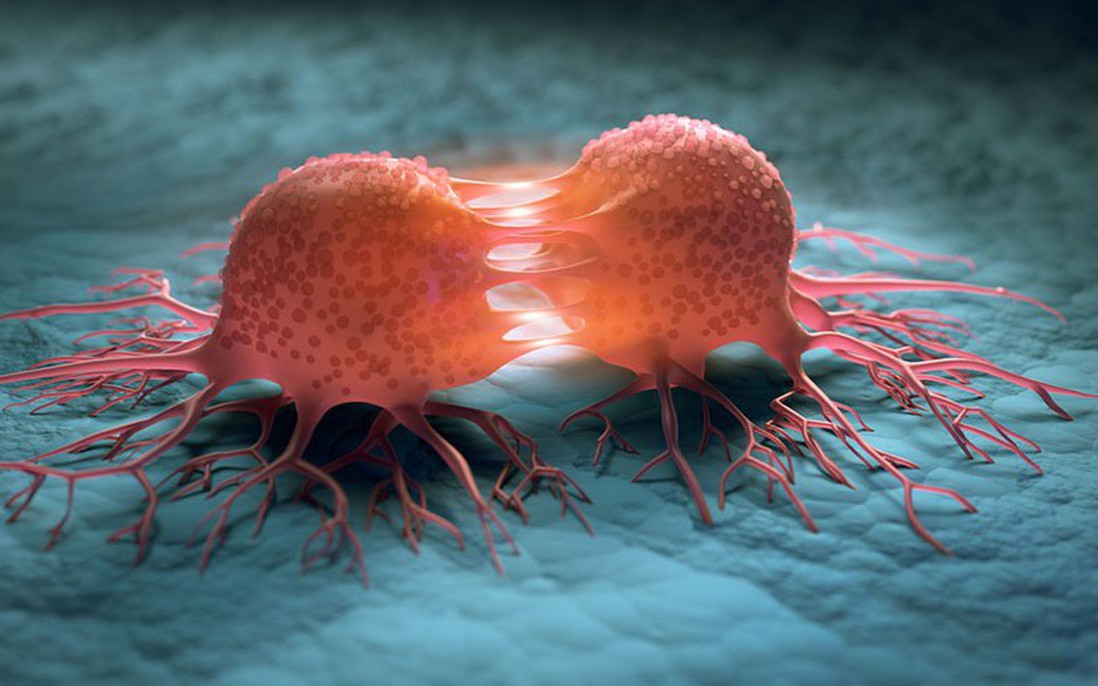
Final Thoughts
Cancer can sometimes develop quietly, but your body may also provide subtle warning signs that deserve attention. Persistent fatigue, unexplained weight loss, unusual bleeding, ongoing cough, new lumps, changes in bowel or bladder habits, skin changes, and other unexplained symptoms are not specific to cancer, yet they should never be ignored if they continue or worsen.
The most important message is not to become alarmed by every symptom, but to recognize when something is unusual for you and seek medical advice promptly. Combined with routine health screenings and healthy lifestyle habits, paying attention to persistent changes in your body is one of the most effective ways to support early detection and improve long-term health outcomes.