9 Silent Signs of a Brain Blood Clot That May Appear Weeks Before a Stroke
A stroke is one of the most serious medical emergencies, often occurring suddenly and without warning. However, in some cases, the body may show subtle warning signs weeks or even days before a major stroke occurs. One possible cause is a blood clot in the brain or in the blood vessels leading to the brain, which can partially block blood flow and trigger temporary symptoms.
These early signs are sometimes referred to as transient ischemic attacks (TIAs) or “mini-strokes.” Although the symptoms may disappear quickly, they should never be ignored because they may signal a higher risk of a future stroke.
Recognizing these early signals and seeking medical attention promptly can significantly reduce the risk of severe complications.
Below are nine possible warning signs that may appear before a stroke caused by a blood clot in the brain.
1. Sudden Severe Headache


A sudden and intense headache that feels different from normal headaches can sometimes signal a problem with blood flow in the brain.
This type of headache may:
-
Appear suddenly without an obvious cause
-
Be unusually intense
-
Occur along with dizziness or nausea
Although headaches have many possible causes, sudden unexplained headaches should always be taken seriously, especially if they occur repeatedly.
2. Numbness or Tingling in the Face or Limbs


Another early warning sign may involve temporary numbness or tingling, particularly on one side of the body.
People may experience:
-
Numbness in the face
-
Tingling in the hands or arms
-
Weakness in one leg
These symptoms occur when a blood clot temporarily interrupts blood supply to areas of the brain responsible for sensation or movement.
3. Vision Problems
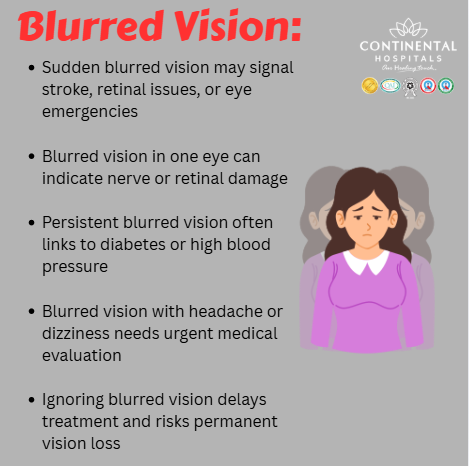


Changes in vision can also occur before a stroke. These symptoms may include:
-
Blurred vision
-
Double vision
-
Sudden loss of vision in one eye
The brain processes visual information, so reduced blood flow to certain regions can interfere with eyesight.
4. Difficulty Speaking

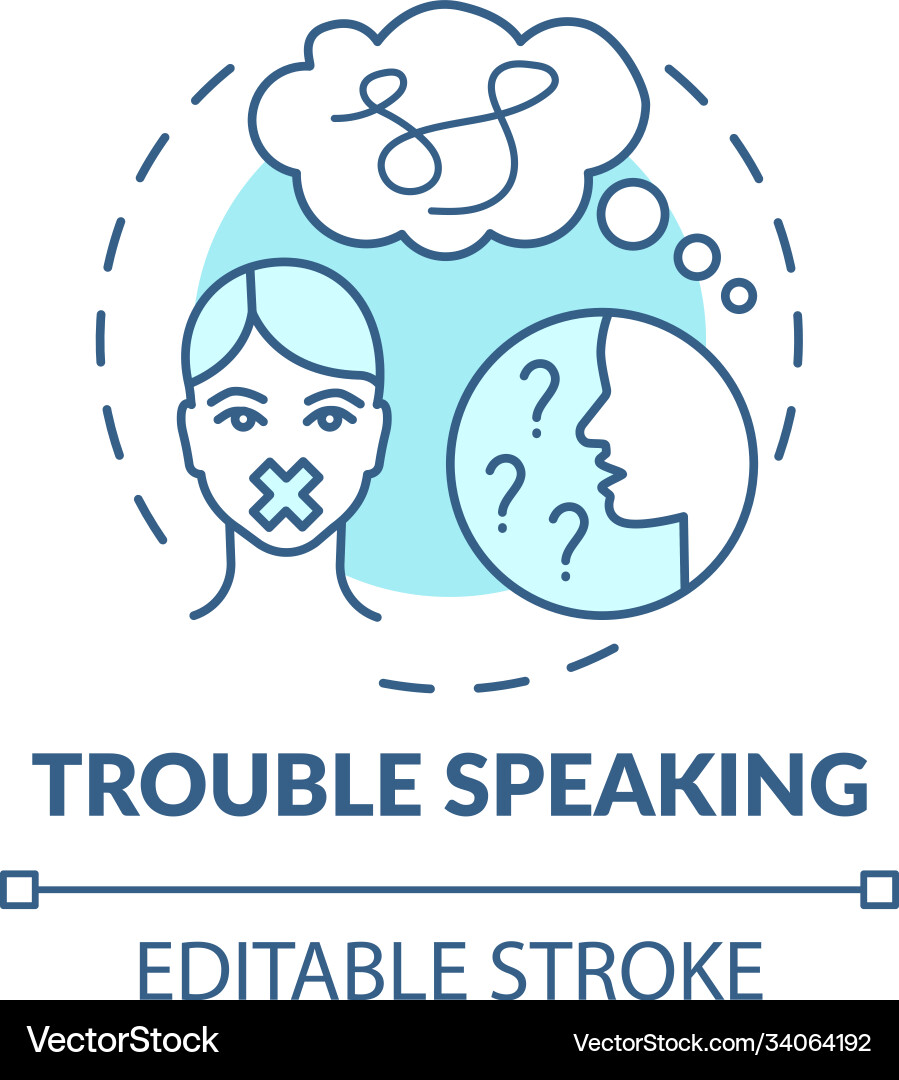

Problems with speech may appear suddenly and may include:
-
Slurred speech
-
Trouble finding words
-
Difficulty understanding others
These symptoms can occur when areas of the brain responsible for language are temporarily affected by reduced blood flow.
5. Sudden Dizziness or Loss of Balance



A blood clot affecting certain brain regions may cause balance or coordination problems.
People may feel:
-
Sudden dizziness
-
Difficulty walking
-
Loss of coordination
These symptoms may appear briefly and then disappear, but they should still be evaluated.
6. Temporary Weakness in the Body


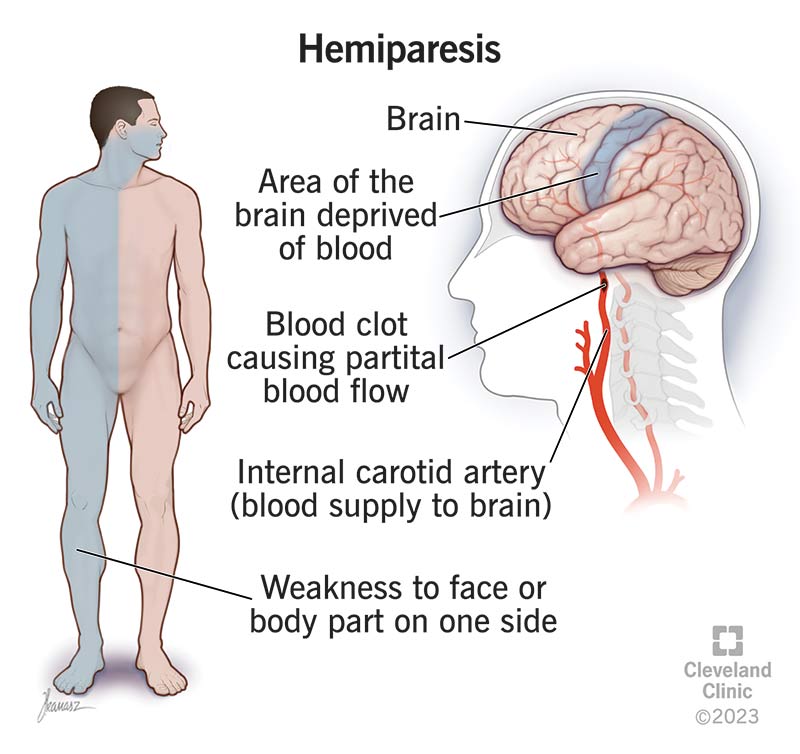
Weakness on one side of the body is a classic sign associated with strokes and mini-strokes.
A person may notice:
-
Trouble lifting an arm
-
Difficulty gripping objects
-
Weakness in one leg
Even if the weakness disappears quickly, it may indicate a temporary interruption of blood supply to the brain.
7. Sudden Confusion


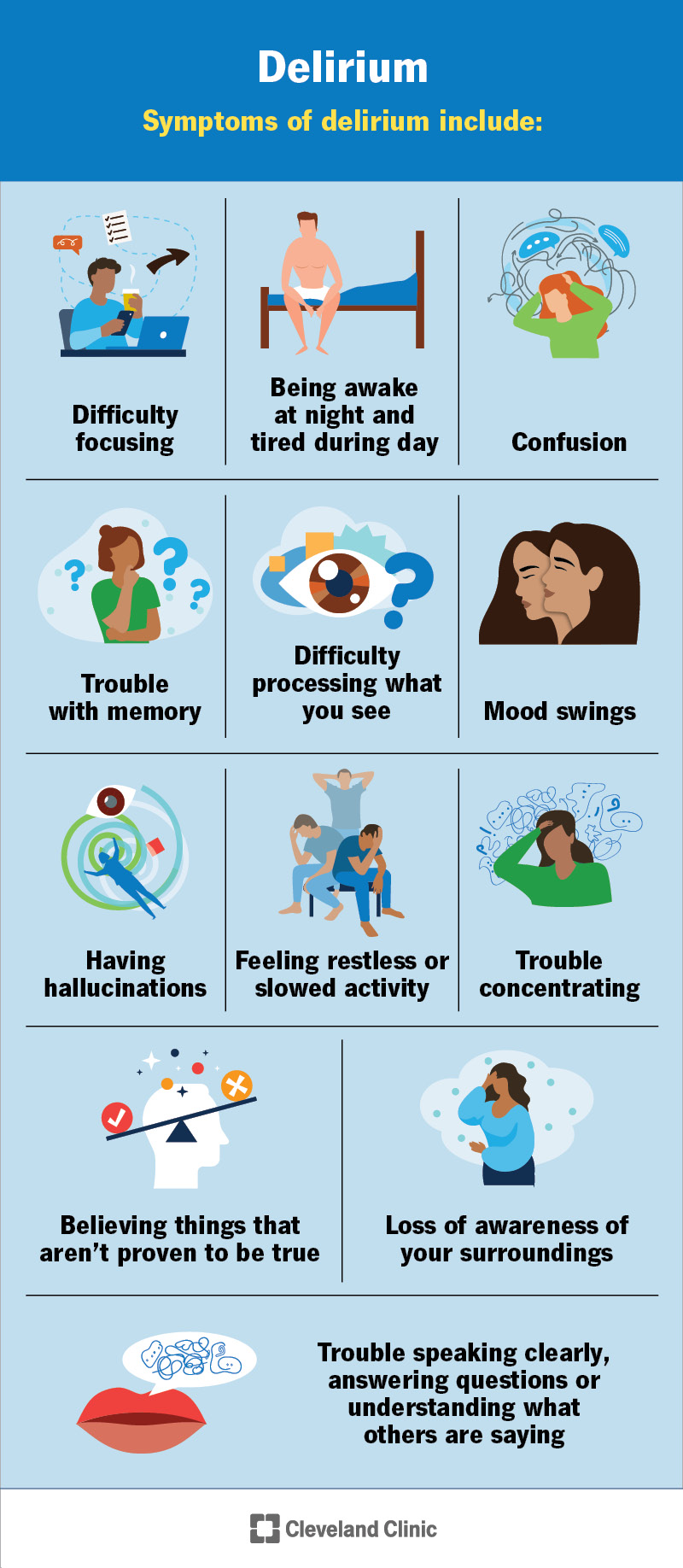
Some individuals may experience brief periods of confusion or difficulty concentrating.
They may feel:
-
Disoriented
-
Unable to understand conversations
-
Mentally “foggy”
These symptoms occur when brain cells do not receive enough oxygen-rich blood.
8. Unusual Fatigue
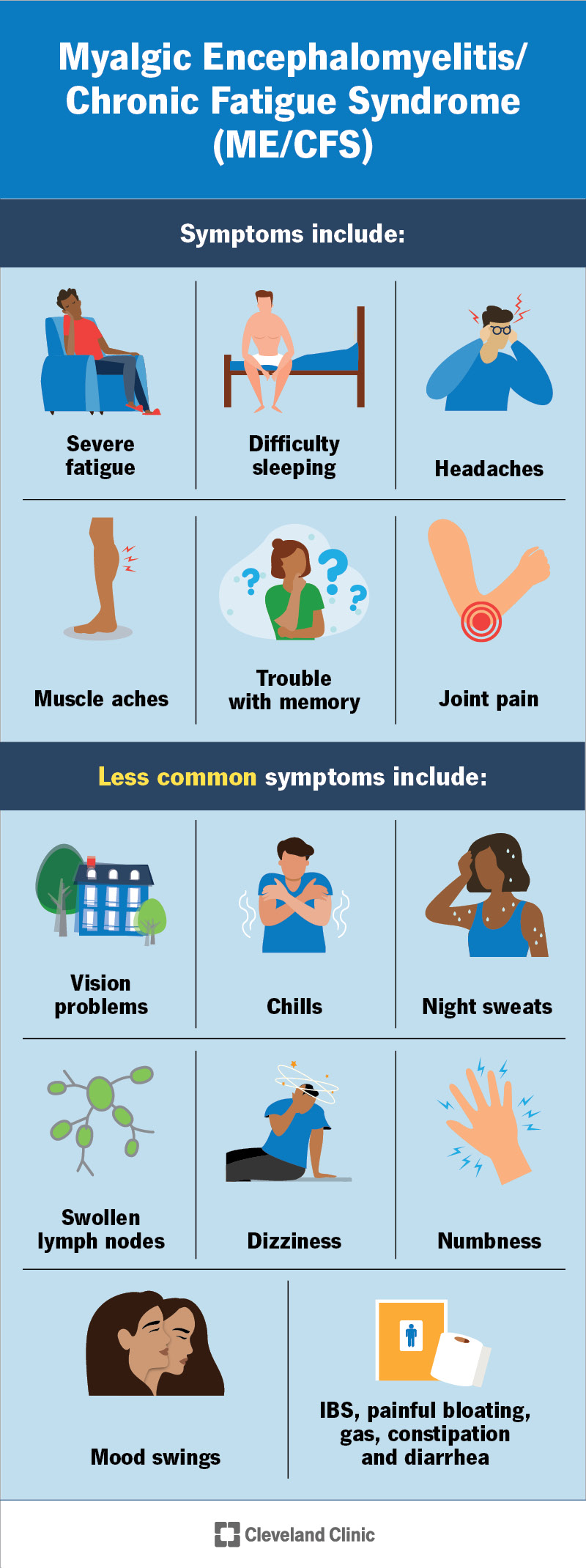

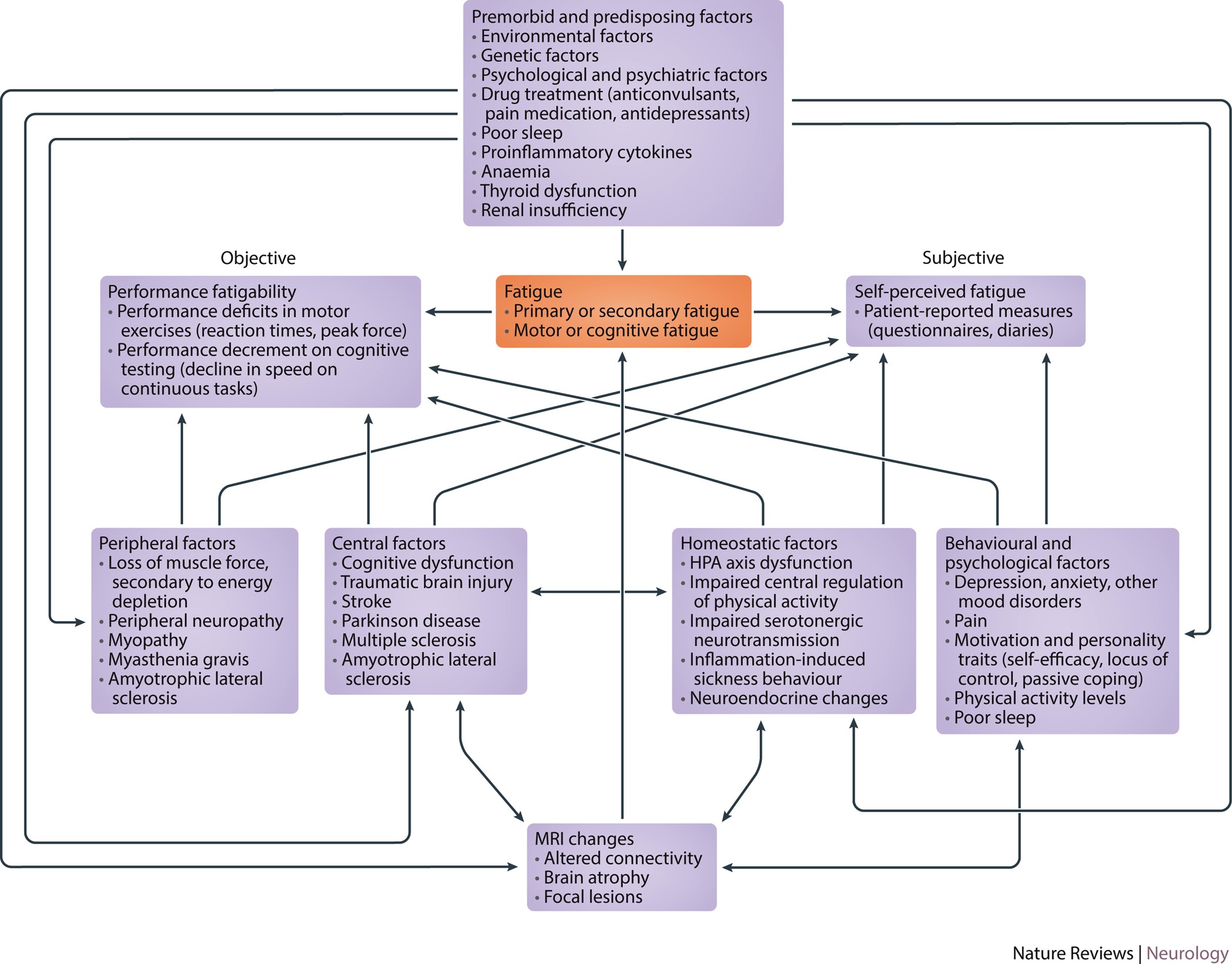
In some cases, individuals may feel unusual or overwhelming fatigue before a stroke.
This fatigue may:
-
Appear suddenly
-
Feel stronger than normal tiredness
-
Occur alongside other neurological symptoms
Although fatigue alone does not indicate a stroke, it can sometimes accompany other warning signs.
9. Small Unexplained Skin or Circulation Changes


Occasionally, circulation changes such as unusual redness, swelling, or pain in limbs may indicate blood clotting problems elsewhere in the body.
Blood clots that travel through the bloodstream can sometimes reach the brain, increasing the risk of stroke.
Monitoring unusual circulation symptoms may help identify potential vascular issues early.
When to Seek Immediate Medical Help
A stroke is a medical emergency. Immediate medical attention is required if someone experiences:
-
Sudden numbness on one side of the body
-
Difficulty speaking or understanding speech
-
Vision loss
-
Severe headache
-
Trouble walking or balancing
Doctors often use the FAST rule to identify stroke symptoms:
-
F – Face drooping
-
A – Arm weakness
-
S – Speech difficulty
-
T – Time to call emergency services
Final Thoughts
The body sometimes provides early signals before a serious event such as a stroke occurs. Symptoms like sudden headaches, numbness, vision problems, dizziness, and speech difficulties may appear temporarily weeks before a major stroke.
Although these signs may disappear quickly, they should never be ignored. Seeking medical attention early can help doctors identify potential risks and begin preventive treatment.
Being aware of these warning signals may help protect brain health and potentially save lives.