Appendicitis is one of the most common medical emergencies involving the abdomen. It occurs when the appendix — a small tube-shaped organ attached to the large intestine — becomes inflamed or infected. Without treatment, the appendix can rupture, potentially leading to serious complications inside the abdomen.
One of the biggest dangers of appendicitis is that many early symptoms can initially seem similar to ordinary stomach problems such as indigestion, gas, or food poisoning. Because of this, some people delay seeking medical care until the condition becomes much more severe.
Recognizing the warning signs early may help prevent complications and allow faster treatment.
Here are nine symptoms that could be signs of appendicitis and why they should never be ignored.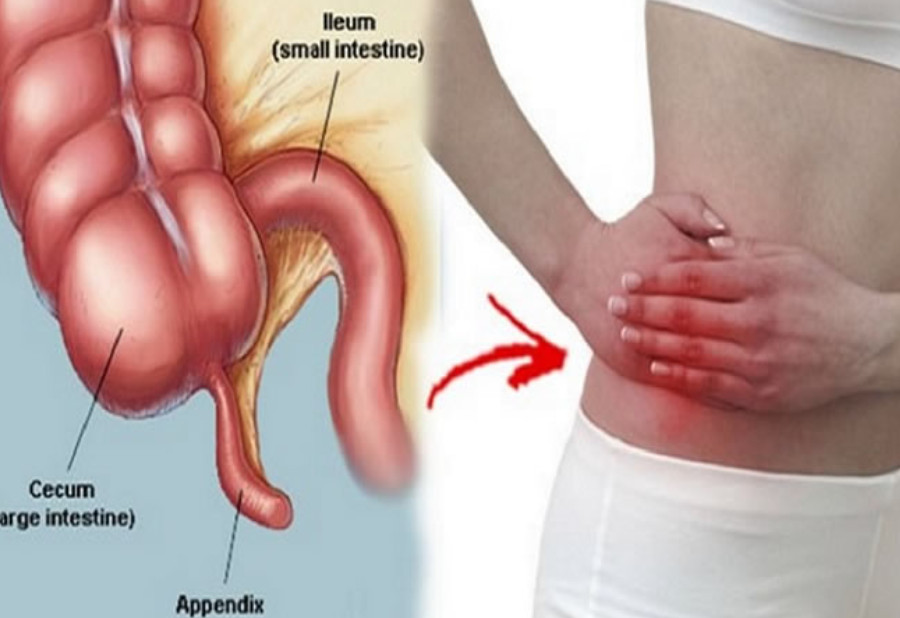
1. Pain Near the Belly Button That Moves Lower
One of the classic early signs of appendicitis is abdominal pain that begins near the belly button and gradually moves toward the lower right side of the abdomen.
At first, the pain may feel:
- Mild
- Cramp-like
- Difficult to locate
As inflammation worsens, the pain often:
- Becomes sharper
- Moves lower right
- Intensifies over time
This shifting pain pattern is considered one of the hallmark signs of appendicitis.
2. Sharp Pain in the Lower Right Abdomen
As appendicitis progresses, pain usually becomes concentrated in the lower right side of the abdomen.
People may notice:
- Sharp tenderness
- Increased pain when walking
- Pain when coughing or moving
- Discomfort during sudden movements
The pain often becomes difficult to ignore and may steadily worsen.
However, not everyone experiences pain in exactly the same location. Pregnancy, age, and body anatomy can affect where symptoms appear.
3. Loss of Appetite
Many people with appendicitis suddenly lose interest in food.
This symptom may seem minor at first but often appears alongside:
- Nausea
- Abdominal pain
- Digestive discomfort
A sudden lack of appetite combined with worsening stomach pain may deserve medical attention.
4. Nausea and Vomiting
Nausea is extremely common with appendicitis.
Some people experience:
- Stomach upset
- Vomiting
- Feeling unable to eat
- Persistent nausea
When nausea occurs together with abdominal pain — especially pain moving toward the lower right abdomen — appendicitis becomes more concerning.
5. Fever
As the body responds to inflammation or infection, fever may develop.
Symptoms may include:
- Mild fever
- Chills
- Sweating
- Feeling weak or unwell
If the appendix ruptures, fever may become much higher and more serious.
Fever combined with abdominal pain should never be ignored.
6. Bloating and Abdominal Swelling
Some people with appendicitis experience:
- Bloating
- Swollen abdomen
- Feeling unusually full
- Increased abdominal pressure
The abdomen may feel tender or tight.
In severe cases, swelling may increase as inflammation progresses.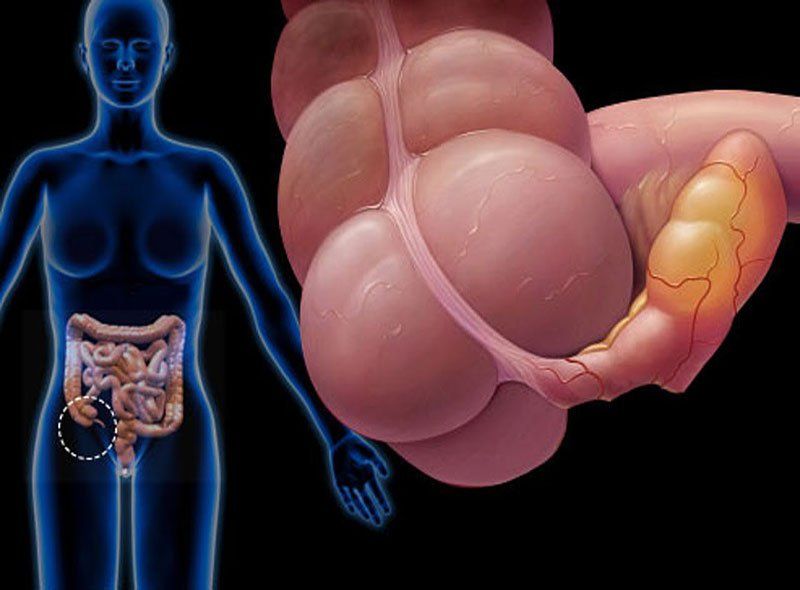
7. Difficulty Passing Gas
Many individuals with appendicitis notice digestive changes.
Symptoms may include:
- Difficulty passing gas
- Constipation
- Changes in bowel habits
This can happen because inflammation inside the abdomen may affect intestinal movement.
Some people mistakenly assume they only have gas or constipation when appendicitis is actually developing.
8. Pain That Gets Worse With Movement
Appendicitis pain often becomes more noticeable during movement.
People may experience worsening pain when:
- Walking
- Coughing
- Sneezing
- Jumping
- Changing positions
Some individuals instinctively bend forward or avoid movement to reduce discomfort.
This worsening sensitivity often occurs because the inflamed appendix irritates surrounding abdominal tissues.
9. Extreme Tenderness When Touching the Abdomen
The lower right abdomen may become highly sensitive to pressure.
In some cases:
- Even light touch becomes painful
- Releasing pressure suddenly worsens pain
- The abdomen feels rigid or guarded
This may indicate significant inflammation inside the abdominal cavity.
Severe tenderness should always be evaluated quickly by a medical professional.
Why Appendicitis Can Become Dangerous
If appendicitis is not treated promptly, the appendix may rupture.
A ruptured appendix can release bacteria into the abdomen, potentially causing:
- Serious infection
- Peritonitis
- Abscess formation
- Life-threatening complications
This is why appendicitis is considered a medical emergency.
Not Everyone Experiences “Classic” Symptoms
One important challenge is that appendicitis symptoms can vary greatly.
Some people may have:
- Mild symptoms
- Unusual pain locations
- No fever initially
- Digestive symptoms only
Children, older adults, and pregnant women may present differently, making diagnosis more difficult.
Conditions That May Mimic Appendicitis
Several other conditions can resemble appendicitis, including:
- Food poisoning
- Kidney stones
- Stomach viruses
- Urinary tract infections
- Ovarian cysts
- Digestive disorders
Because symptoms overlap, professional medical evaluation is important.
How Doctors Diagnose Appendicitis
Diagnosis may involve:
- Physical examination
- Blood tests
- Imaging scans
- Ultrasound
- CT scan
Doctors often evaluate:
- Pain location
- Fever
- Inflammation markers
- Abdominal tenderness
Early diagnosis greatly improves treatment outcomes.
Treatment for Appendicitis
Treatment usually involves surgical removal of the appendix, known as an appendectomy.
Modern surgery is often minimally invasive and recovery is usually successful when treatment occurs early.
Antibiotics may also be used, especially if infection is present.
When to Seek Emergency Medical Care
Immediate medical attention is important if someone experiences:
- Severe lower right abdominal pain
- Fever with abdominal pain
- Persistent vomiting
- Pain worsening rapidly
- Abdominal rigidity
- Difficulty walking because of pain
Waiting too long may increase the risk of rupture.
Why People Often Delay Getting Help
Many individuals ignore symptoms because they assume:
- It is just gas
- They ate something bad
- The pain will go away
- It is a minor stomach problem
Unfortunately, appendicitis can worsen very quickly.
Recognizing symptoms early may help prevent serious complications.
Final Thoughts
Appendicitis often begins with symptoms that seem mild or confusing at first. Pain near the belly button, nausea, loss of appetite, fever, and worsening lower right abdominal pain are all warning signs that should never be ignored.
The most important message is awareness. Early recognition and prompt medical evaluation can make a major difference in preventing complications and ensuring safer recovery.
Sometimes the body sends urgent warning signs quietly at first — and paying attention early can save lives.