Consider professional assessment if you notice persistent itching after intimate contact, suspect that insects are attached to body hair, or have symptoms that do not improve with appropriate treatment. Medical advice is particularly important if the diagnosis is uncertain, the skin appears infected, or symptoms affect the eyes.
It is also worth remembering that itching alone does not mean a person has contracted a sexually transmitted infection. Pubic lice are parasites, while other infections have different causes and may require different tests and treatments.
A clinician may inspect the affected hair and skin, sometimes using magnification to identify the insects. If pubic lice are confirmed, the recommended treatment will depend on the location of the infestation, the person's age, pregnancy status where relevant, and any other medical considerations.
Avoid applying household insecticides, disinfectants, alcohol, or unapproved chemicals to the skin. Such substances can cause burns or serious irritation without reliably eliminating the infestation.
The goal is not to diagnose yourself from a frightening image. It is to recognize a possible problem, obtain accurate advice, and use a treatment that is both effective and safe.
Chapter 3: How Pubic Lice Are Diagnosed and Treated
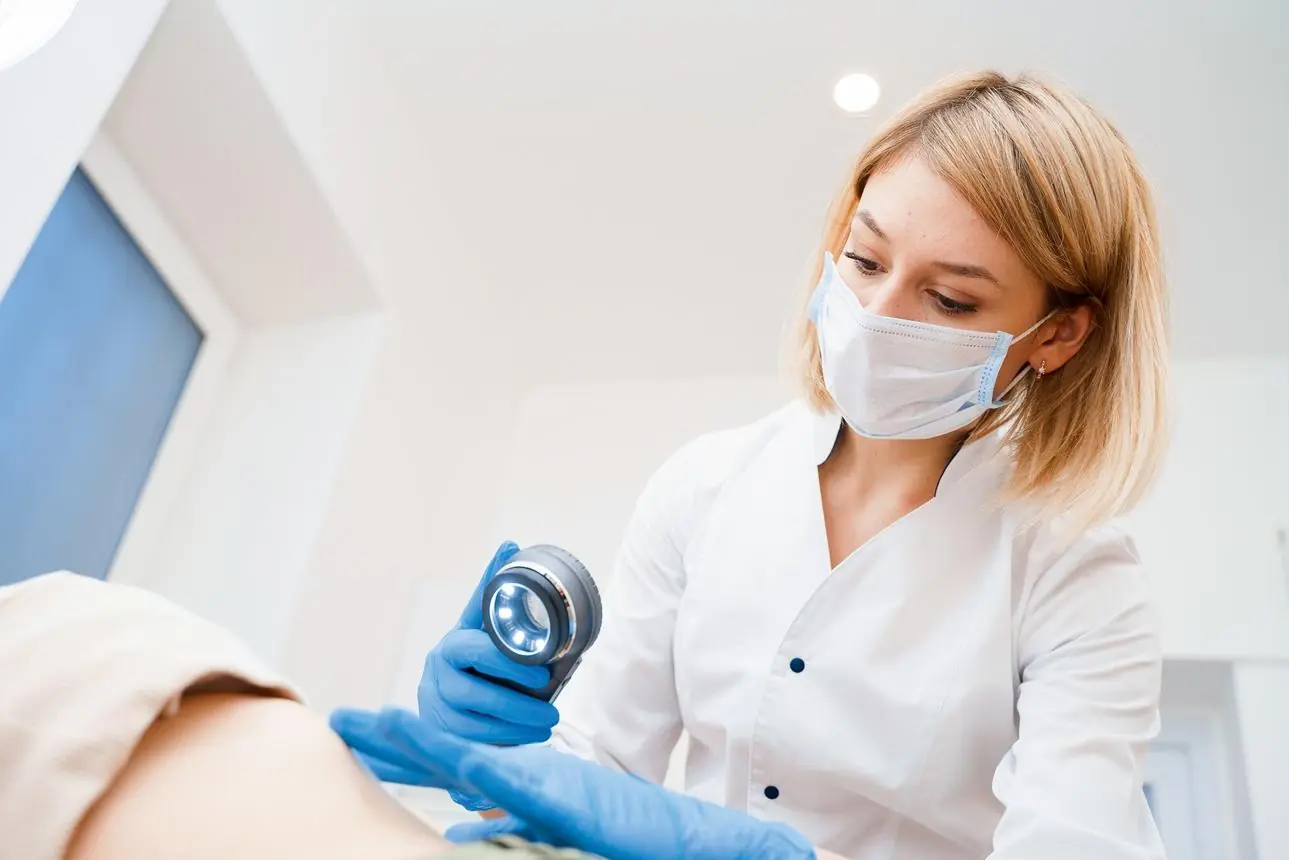
Although pubic lice can cause significant discomfort, they are usually manageable with appropriate treatment. The first step is to establish that lice are actually present, because several other conditions can cause itching in the same area.
A healthcare professional may examine the affected hair and skin for live lice or firmly attached eggs. Good lighting and magnification can make identification easier. If the symptoms are unclear, the clinician may consider other explanations, including dermatitis, scabies, fungal infections, or irritation caused by personal-care products.
Once pubic lice are identified, treatment commonly involves a medicine designed to kill lice. Certain over-the-counter preparations containing permethrin or other approved ingredients may be suitable, depending on local guidance and the individual's circumstances. A pharmacist or healthcare professional can advise which product is appropriate and explain how to use it.
Follow the product instructions carefully. Different treatments have different application times, restrictions, and repeat-treatment recommendations. Applying more product than directed does not necessarily improve results and can increase the risk of skin irritation.
Some treatments may need to be repeated after a specified interval because eggs can survive the first application. Do not assume that one treatment is always sufficient, and do not repeatedly apply medication without checking the instructions or obtaining professional advice.
If lice affect the eyelashes, do not use standard pubic-louse treatments near the eyes. An eye-care professional can recommend a safe approach. Children, pregnant people, breastfeeding individuals, and people with sensitive or damaged skin should obtain tailored advice before selecting a treatment.
What about clothing, towels, and bedding?
Recently used clothing, towels, and bedding may need attention during treatment. Items used close to the time of infestation can generally be washed and dried using the hottest temperature appropriate for the fabric. Items that cannot be washed may be handled according to healthcare guidance, including temporary isolation when appropriate.
There is usually no need to disinfect an entire home or use household pesticides on furniture. Pubic lice generally depend on a human host and survive poorly away from the body. Excessive cleaning or spraying can create additional risks without providing meaningful benefits.
Should sexual partners be informed?
Yes, recent sexual partners should be informed if pubic lice are diagnosed so they can seek advice and treatment if needed. Partner management helps reduce the chance of passing the infestation back and forth.
People should generally avoid sexual contact until treatment has been completed and the relevant guidance has been followed. A healthcare professional can advise when it is appropriate to resume intimate contact.
It is also sensible to avoid sharing recently used towels or clothing until the situation has been addressed. These measures are practical precautions, not evidence that someone has done anything wrong.
What if itching continues?
Itching can persist for a short time after successful treatment because the skin may remain irritated. However, persistent symptoms can also indicate incorrect identification, improper application, reinfestation, or treatment failure.
If live lice remain after treatment, seek advice before repeating medication or switching products. Some preparations are unsuitable for repeated use, and continuing symptoms may have another cause entirely.
Finally, a diagnosis of pubic lice does not automatically mean that someone has another sexually transmitted infection. Nevertheless, because transmission can occur during sexual contact, a healthcare professional may discuss whether testing for other infections is appropriate based on the person's exposure and circumstances.
Accurate diagnosis, correct medication use, and clear communication are more effective than panic or excessive cleaning. With the right approach, most infestations can be managed successfully.
Chapter 4: Prevention, Intimate Contact, and Common Misconceptions
Pubic lice are often surrounded by embarrassment and misinformation. Understanding how they spread makes it easier to take sensible precautions without blaming yourself or another person.
Misconception 1: Pubic lice only affect people with poor hygiene.
This is false. Pubic lice attach to hair and feed on blood; ordinary bathing does not reliably prevent or eliminate them. People with excellent personal hygiene can still become infested following close contact with someone who has lice.
Washing more frequently, using strongly scented soaps, or scrubbing the skin aggressively will not reliably eliminate an infestation. In fact, harsh products can irritate sensitive skin and make itching worse.
Misconception 2: Having pubic lice proves that someone has been unfaithful.
An infestation cannot establish when exposure happened or identify who transmitted the lice. Although sexual contact is a common route, the diagnosis alone does not reveal a person's relationship history.