An alarming image of tiny insects attached to body hair raises questions about what can happen after intimate contact. Pubic lice are small parasites that usually spread through close physical contact, including sexual contact. This article explains how infestation occurs, which symptoms to recognize, how diagnosis and treatment work, and how to protect yourself and your partners without shame or misinformation.
Chapter 1: What Are Pubic Lice, and How Do They Spread?
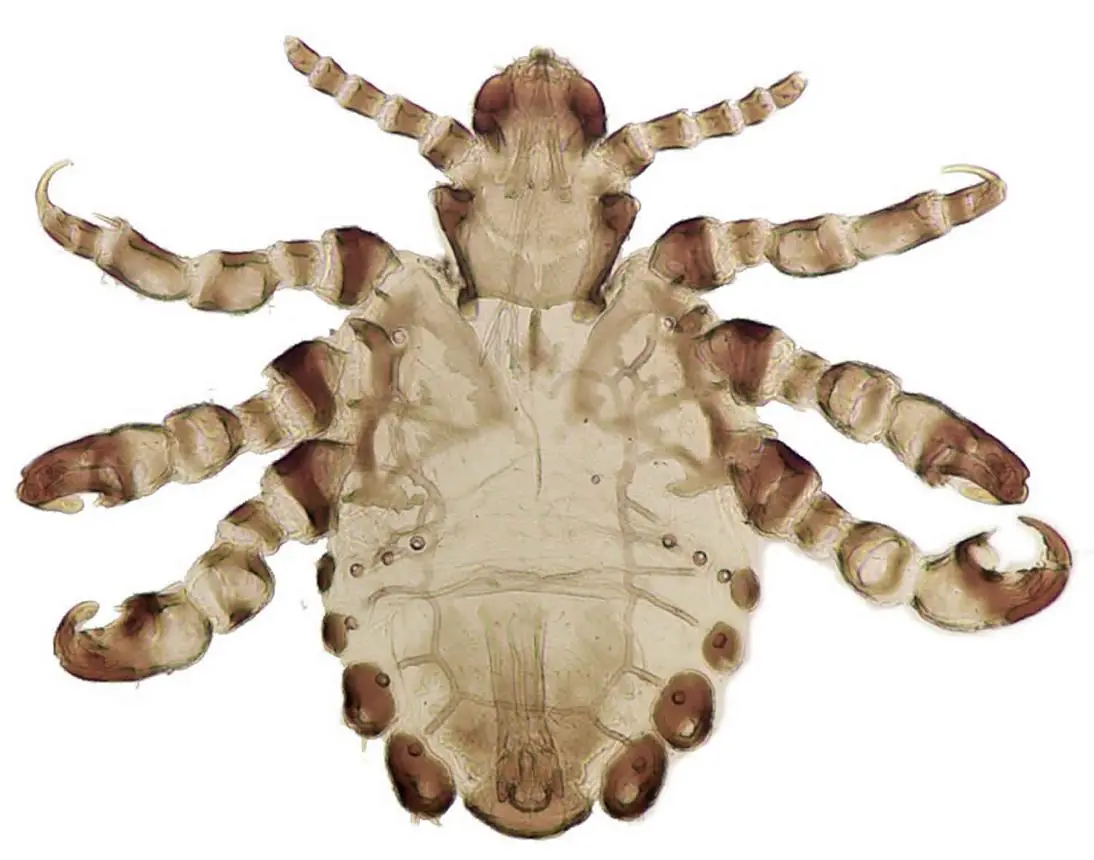
The image accompanying this topic depicts insects attached to body hair. It is important to distinguish the visual from a confirmed diagnosis: a photograph alone cannot establish whether a person has pubic lice or another skin condition. However, the subject provides an opportunity to understand a real and treatable parasitic infestation.
Pubic lice, sometimes called crab lice, are tiny insects that live on coarse human body hair and feed on small amounts of blood. They most commonly affect hair around the genital area, but they can sometimes be found in other coarse-haired regions, including the armpits, chest, beard, eyebrows, or eyelashes.
Unlike head lice, pubic lice are usually associated with close physical contact. They can spread during sexual contact, when lice move from one person's body hair to another person's hair. Their presence does not indicate that someone is unclean, and anyone can become infested after exposure.
Intimate contact is a common route of transmission, but it is not the only consideration. In some circumstances, lice may spread through recently used clothing, towels, or bedding. This is considered less common than direct contact because pubic lice do not survive for long away from the human body.
Pubic lice are different from the lice that typically infest the scalp. They also differ from fleas, ticks, and mites, which have different characteristics and treatment requirements. Correct identification matters because a treatment designed for one parasite may not be appropriate for another.
An infestation does not necessarily become noticeable immediately. Some people develop itching or irritation, while others have few obvious symptoms. Tiny lice or their eggs may be difficult to see without good lighting and close inspection.
The insects attach their eggs, commonly called nits, to individual hairs. These eggs may appear as small, pale or yellowish specks that remain firmly attached to the hair shaft. However, flakes of skin, dried skin products, and other debris can sometimes be mistaken for nits.
It is also important to understand what pubic lice do not mean. They do not automatically indicate infidelity, poor hygiene, or a particular person's sexual history. An infestation cannot reliably establish when exposure occurred or identify the person from whom it originated.
If you suspect pubic lice, avoid relying exclusively on online photographs. A healthcare professional or qualified sexual-health service can examine the affected area and recommend suitable treatment. Accurate identification is the first step toward resolving the problem safely.
Most importantly, pubic lice are treatable. Although the idea of insects living in body hair can feel distressing, the condition is a recognized medical problem rather than a reason for embarrassment. Early assessment, appropriate treatment, and communication with relevant partners can help prevent continued transmission.
Chapter 2: The Symptoms You Should Recognize
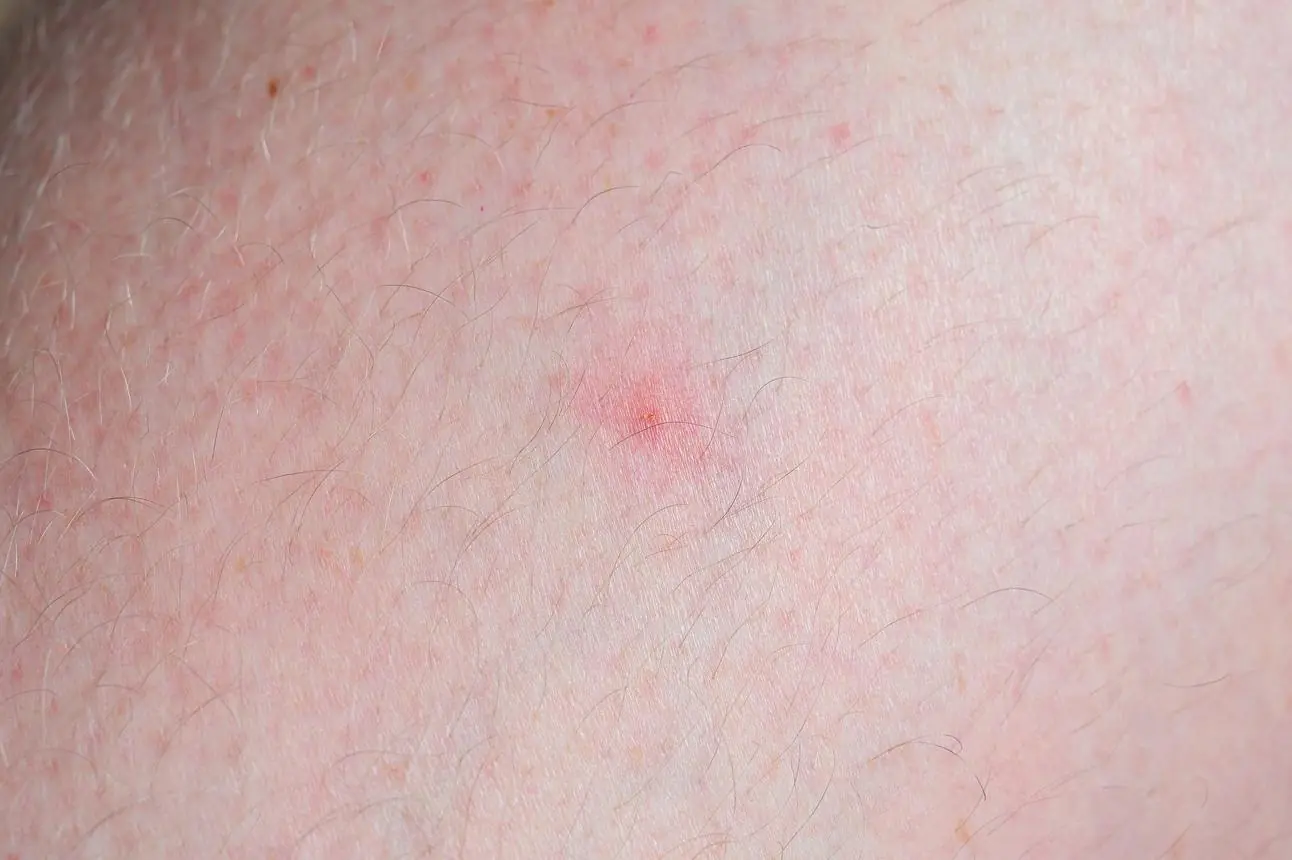
One of the most common symptoms of pubic lice is itching around the genital area. The itching may become more noticeable at night, although this pattern is not unique to lice and cannot confirm an infestation by itself.
The reaction occurs partly because the skin responds to lice bites and their saliva. Some people develop irritation quickly, while others may not notice symptoms for several weeks after the initial exposure. A person can therefore have pubic lice without immediately realizing it.
1. Persistent itching around body hair
Itching around the pubic region is a common complaint. It may become uncomfortable enough to disturb sleep or make everyday activities distracting. However, itching can also result from sweat, friction, eczema, fungal infections, allergies, or irritation from soaps and personal-care products.
Avoid scratching aggressively. Repeated scratching can damage the skin, increase irritation, and create openings through which bacteria may enter.
2. Small insects or eggs attached to hair
Adult pubic lice are tiny and may be difficult to identify without good lighting. Their eggs are attached firmly to hair shafts rather than simply resting loosely on the skin. Finding a suspected insect or egg can raise concern, but a trained professional can help distinguish lice from ordinary debris or other conditions.
3. Small marks on the skin
Some people develop tiny bluish or reddish marks around affected areas. These can sometimes occur in association with bites, but they are not a dependable sign of pubic lice. Similar marks may arise from irritation, bruising, or other skin conditions.
4. Skin irritation from scratching
Repeated rubbing or scratching can leave the skin red, sore, or inflamed. In more severe cases, damaged skin can develop a secondary bacterial infection. Increasing pain, warmth, swelling, pus, or spreading redness should prompt medical evaluation.
5. Irritation in other hair-bearing areas
Pubic lice can occasionally affect the armpits, chest, beard, eyebrows, or eyelashes. Eyelash involvement deserves particular care because products intended for the pubic region should not be applied near the eyes.
If lice or eggs appear to be attached to eyelashes, consult a healthcare professional for appropriate treatment. Do not use ordinary lice products around the eyes unless a clinician specifically confirms that the product is suitable.