Doctors Reveal the Hidden Risk of Eating Chicken Liver: Why This Nutrient-Rich Food Can Become Harmful When Eaten Too Often
Chicken liver has a reputation as one of the most nutrient-dense foods available. A modest serving provides vitamin B12, iron, folate, protein, and a concentrated amount of vitamin A. For people who struggle to get enough of certain nutrients, that combination can make chicken liver seem like an ideal addition to the menu.
But there is a reason nutrition experts advise against treating it like an everyday meal. Chicken liver contains preformed vitamin A, a form the body can store. Unlike many water-soluble vitamins, excess preformed vitamin A is not simply flushed away each time you eat it. If intake becomes too high over time — particularly when liver is combined with supplements containing vitamin A — the nutrient that makes this food valuable can also become a health concern.
That does not mean one meal of chicken liver is dangerous, or that everyone needs to avoid it. The real issue is how much you eat, how often you eat it, what supplements you take, and whether you belong to a group that needs extra caution. Understanding those details makes the difference between enjoying a nutritious food sensibly and unknowingly consuming more vitamin A than your body needs.
The first thing to understand is why chicken liver is so concentrated in nutrients. The second is how excess vitamin A can affect the body — and why certain people should be particularly careful.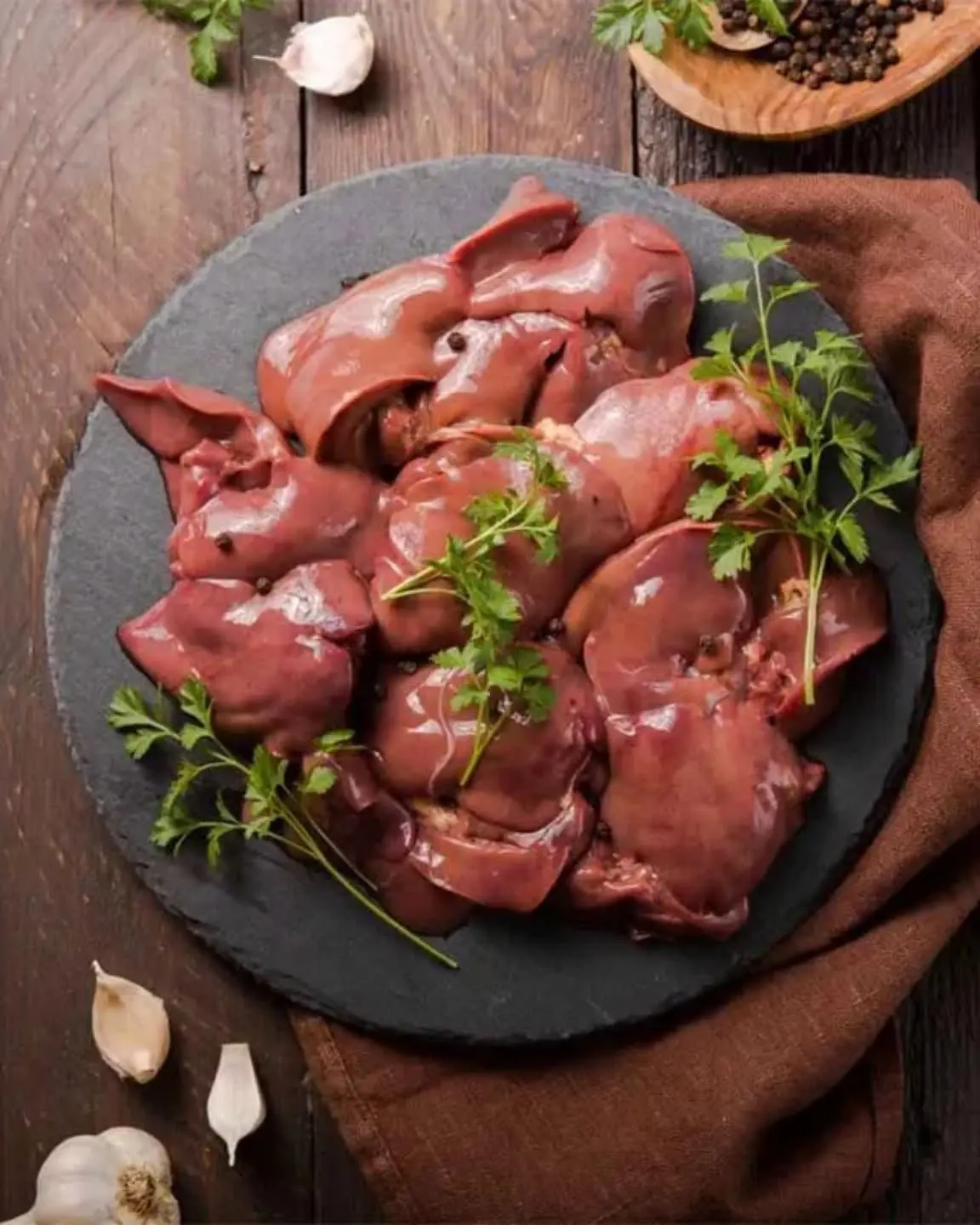
Chapter 1 — Why Chicken Liver Is So Nutrient-Dense
A small serving can contain a surprisingly large amount of vitamin A
Chicken liver is different from ordinary muscle meat. While chicken breast and thighs mainly provide protein, liver is an organ that stores and processes nutrients. That is why its nutritional profile is unusually concentrated.
One of its most important nutrients is vitamin A, particularly preformed vitamin A, also known as retinol. This form is found naturally in animal foods and is ready for the body to use. It supports normal vision, immune function, reproduction, growth, and the maintenance of healthy skin and the lining of certain organs.
Chicken liver also supplies vitamin B12, which is essential for red blood cell formation and normal nerve function. It contains folate, a nutrient involved in DNA production and cell division, as well as iron, which the body uses to make hemoglobin. Hemoglobin helps red blood cells carry oxygen throughout the body.
This combination explains why chicken liver is often described as a nutrient-rich food. A relatively small portion can contribute meaningful amounts of several nutrients that the body needs.
However, the same concentration that makes liver attractive also creates a nutritional challenge. It is possible to obtain far more of certain nutrients than the body requires, especially when a person eats liver frequently or combines it with supplements.
Vitamin A is the main concern.
Unlike vitamin C and many B vitamins, which are water-soluble, vitamin A is fat-soluble. The body can store it, particularly in the liver. That storage is useful because the body does not need a large amount every day. But if intake remains excessive, stored vitamin A can accumulate.
This is why the question should not simply be whether chicken liver is healthy. A better question is how often it is eaten, how large the portions are, and what else is included in the diet.
The difference between getting enough vitamin A and getting too much
Vitamin A is essential, but essential does not mean unlimited.
Adults need vitamin A to maintain normal vision, support immune defenses, and keep tissues functioning properly. The recommended daily amount is approximately 900 micrograms of retinol activity equivalents (RAE) for adult men and 700 micrograms RAE for adult women. Requirements are different during pregnancy and breastfeeding.
The recommended amount is not the same as the upper limit. The upper limit is the highest average daily intake considered unlikely to cause adverse effects for most healthy people. For adults aged 19 and older, the US National Institutes of Health Office of Dietary Supplements reports an upper limit of 3,000 micrograms RAE per day for preformed vitamin A. This limit applies to vitamin A from animal foods and supplements in retinol or retinyl ester forms.
That distinction matters because chicken liver can contain a very high concentration of retinol. A British Nutrition Foundation review reported that 100 grams of fried chicken liver contained approximately 10,500 micrograms of retinol in the data it discussed. Actual amounts vary with the animal, preparation, and serving, but the example illustrates just how concentrated liver can be.
In other words, a normal-looking serving may contain several times the adult daily upper limit for preformed vitamin A. That does not mean a single meal automatically causes poisoning. The upper limit is designed around regular intake, not as a prediction that one meal will make someone ill. Nevertheless, it shows why eating large servings repeatedly is not a sensible way to obtain vitamin A.
Why the body stores excess vitamin A
The body handles different vitamins in different ways.
Water-soluble vitamins dissolve in water and are generally not stored in large quantities. Fat-soluble vitamins — including vitamins A, D, E, and K — are absorbed along with dietary fat and can be stored in body tissues.
Vitamin A is stored mainly in the liver. This allows the body to draw on reserves when daily intake is lower. But it also means that repeated excessive intake can gradually increase the amount stored.
A person who eats chicken liver regularly may not notice anything unusual after each meal. The concern is not necessarily an immediate reaction. It is the possibility that the overall pattern of intake becomes excessive over time.
The risk can become greater when several sources are combined. For example, someone might eat liver, take a multivitamin containing retinol, use cod liver oil, and take another supplement marketed for skin or general wellness. Each product may seem harmless on its own, but the combined amount can be much higher than expected.
This is why reading supplement labels is important. The label may list vitamin A as retinol, retinyl palmitate, or another retinyl ester. These are forms of preformed vitamin A. Beta-carotene is different: it is a plant-derived precursor that the body converts into vitamin A as needed. The NIH notes that the adult upper limit applies to preformed vitamin A, not to beta-carotene and other provitamin A carotenoids.
Chicken liver is not the same as ordinary chicken meat
Some people assume that because chicken breast and thighs are common everyday foods, chicken liver can be eaten in the same way. Nutritionally, that is not a safe assumption.